The Performance of the ‘Girls’ Girl’: Why Supporting Women Became Another Standard to Meet

The internet has a habit of turning ordinary behaviours into entire personalities.
A few years ago, a ‘girls’ girl’ was simply somebody who looked out for other women. She celebrated her friends’ successes without quietly resenting them. She warned a stranger if their skirt was tucked into their tights. She handed over her lip gloss in a nightclub bathroom without thinking twice.
It wasn’t an identity; it was just kindness.
Today, however, spend five minutes on TikTok, and you’ll discover that a ‘girls’ girl’ is no longer just a compliment. It has become one of the internet’s favourite judgements. Every celebrity disagreement, influencer controversy or episode of Love Island seems to produce the same verdict:
“She’s not a girls’ girl.”
Unlike being labelled rude, selfish or even mean, the phrase carries a particular kind of shame. It doesn’t simply suggest you’ve done something wrong; it also suggests you’ve revealed the kind of woman you are.
The original idea behind the ‘girls’ girl’ was difficult to disagree with. Women have spent years being encouraged to compete with one another, whether for men’s attention, career opportunities or social approval. Choosing solidarity instead felt like progress.
However, somewhere within a TikTok comment section, the ‘girls’ girl’ joined a growing collection of internet archetypes: the pick me, the clean girl, the cool girl. Each began as a shorthand for a particular behaviour, and eventually began defining what kind of women they are.
Be generous. Be supportive. Be warm. Be understanding.
Don’t be difficult. Don’t be jealous. Don’t be “too much”.
At first glance, those expectations sound perfectly reasonable; most of them are admirable qualities. But look at them together and something begins to feel familiar.
For centuries, women were praised for being agreeable, accommodating and emotionally generous. Feminism challenged the expectation that women exist primarily to make other people’s lives easier. Yet many of those same expectations have returned online, only now they arrive dressed in the language of female solidarity.
The message is no longer, “Be a good woman.” It’s, “Be a girls’ girl.”
The language has changed. The pressure feels surprisingly similar. Perhaps that is why the phrase has become so powerful. It doesn’t simply encourage kindness, rather it creates a standard against which women can be measured, more importantly, it creates women who fail to meet that standard.
After all, a label only has meaning if somebody can lose it.
The internet rarely asks whether a woman made a mistake. It asks whether she has revealed herself to be not a ‘girls’ girl’. Individual actions become evidence of an entire personality. A disagreement stops being a disagreement. It becomes proof that somebody lacks female solidarity.
Love Island has become one of the clearest examples of this. During last summer's series, contestants weren't simply judged on whether they made the right decision. They were judged on whether they behaved like a ‘girls' girl’ while making it. Whether it was pulling someone for a chat before speaking to her partner or supporting another woman after an argument, every interaction became evidence. Before long, the conversation stopped being about the situation itself and became a much broader judgment about who was, or wasn't, a ‘girls' girl’.
Perhaps that is why the phrase has become so tempting.
Calling somebody "not a girls' girl" rarely functions as a simple criticism. It also tells everybody else something about the person making it. In deciding who doesn't belong, they quietly establish that they do. The quickest way to prove you're a ‘girls' girl’ is often to identify somebody who isn't. In that sense, the phrase has become less about supporting women than positioning yourself alongside the women who supposedly do.
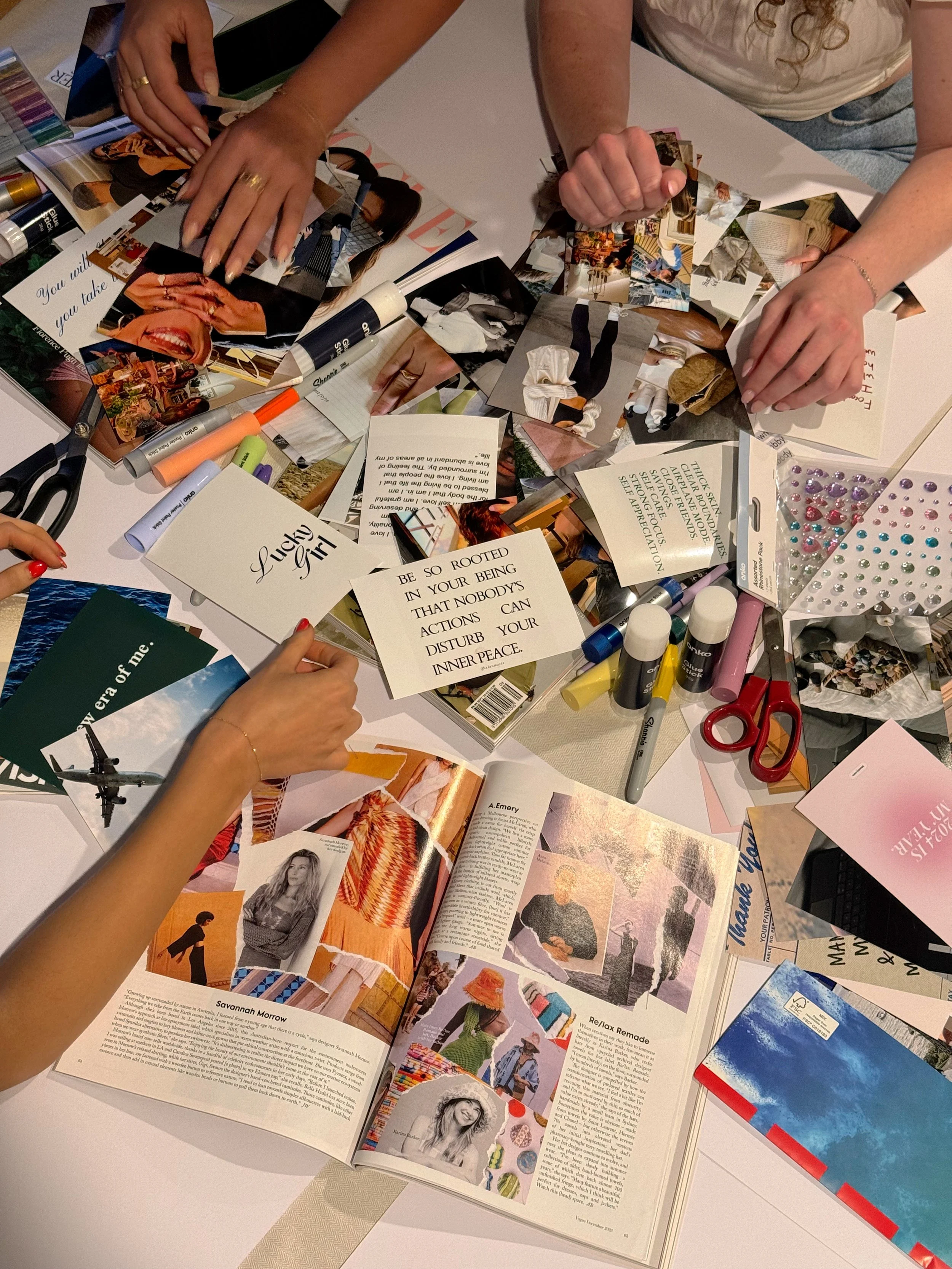
Every identity needs an opposite. The ‘girls' girl’ only exists because somebody else can be declared not one. The same is true of the pick me. The internet has always loved sorting people into categories, and women increasingly find themselves cast into them. You're either supportive or selfish. A ‘girls' girl’ or not. There is very little room for somebody who is usually kind, occasionally selfish and, like everybody else, inconsistent.
It is no longer enough to simply be kind to other women. Increasingly, you are expected to demonstrate that kindness in ways the internet approves of. Support the right celebrity. Condemn the right influencer. Take the right side in the right public disagreement. Silence becomes suspicious. Disagreement starts to look like betrayal.
The standard keeps expanding.
Sharing your lip gloss with a stranger in a nightclub bathroom has very little to do with defending a celebrity you've never met online.
One is an act of generosity. The other is an act of judgment. Yet they now exist beneath the same label. That reflects something larger about internet culture.
Social media rarely rewards quiet kindness. It rewards visible kindness. It is no longer enough to support women; increasingly, you have to be seen supporting women. Opinions become signals. Signals become identities. Before long, every disagreement becomes an opportunity to decide who belongs and who doesn't.
The irony is difficult to ignore.
A phrase that emerged to encourage women to stop competing with one another now often encourages them to compete over who supports women better. Who is the most loyal? Who is the most feminist? Who deserves the label, and who should have it taken away?
The policing has not disappeared. It has simply changed direction.
The original idea behind the ‘girls' girl’ still feels valuable. Most people would probably like a world with more women celebrating one another's successes and less unnecessary competition.
Because maybe the strongest form of female solidarity is not deciding which women deserve to be called ‘girls' girls’; it is allowing women to be imperfect without turning every mistake into a referendum on what kind of woman they are.

Written By: Holly Warren
Edited By: Hazel Hunter
