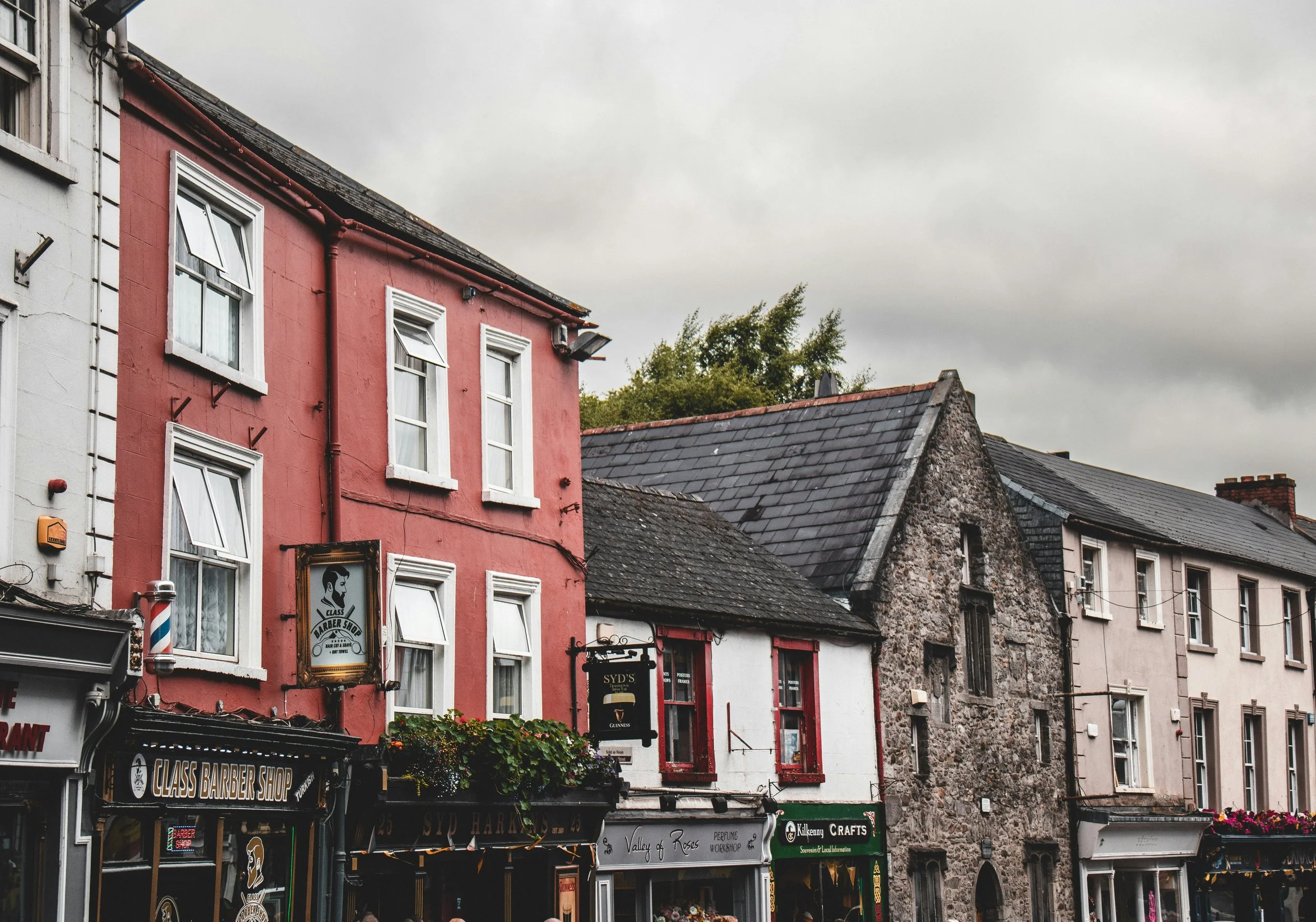
Ireland used to be a country in which the family business was a respected (and expected) career path for many youths. Pubs, newsagents, hardware shops–you name it–many community institutions were run by the families of the locale. As of 2023, family businesses made up 70% of all businesses in Ireland, and employed over one million people across the country. Every town and village in Ireland is home to at least one family business, whether it be a restaurant, a furniture shop, a florist, or a funeral home.
In spite of the harsh economic climate, Irish family businesses are doing well on paper. According to the PwC Family Business Survey 2025, 63% of family businesses in Ireland reported sales growth, and 83% expected strong growth over the following two years. However, these statistics are based on the responses of just 1,325 businesses globally. One might wonder how indicative these figures actually are in terms of Irish family businesses, especially those in their third or even fourth generations.
There once was a time where inheriting the family business meant your life and career was planned out for you. However, the introduction of new, bigger players into the market means that this is no longer a given. A big factor in the decline of generational family businesses is, of course, the corporation. With so much consumerism taking place online, the small ‘mom-and-pop’ shop has little opportunity to turn a profit, even if the next generation wants to continue the business.
This is a major issue in rural Ireland. With little development in infrastructure, limited choice in educational institutions, and a lack of jobs, young people often feel they have no choice but to leave their hometown and relocate to the big city. It might be a different story if Ireland’s rural areas received the investment and development they so desperately need, but for now this is the reality for the majority of young people in these areas.
With the dawn of the internet and an increase in levels of employment and third-level education, an increasing number of young people began to shy away from taking over the family business. Where traditionally the business may have gone to the first-born son, these sons in time decided that there were other routes they’d prefer to take. Eventually the younger sons, and the daughters too, decided the same. Large salaries in sectors like tech and sales draw the younger generation to the cities in which their offices are based.
As well as this, the economic situation in Ireland has over the years forced many young people to leave the country entirely. Huge numbers have left for the UK, US, Australia, and many other places in search of better job opportunities and hopes for the future. A child emigrates, builds a life and, when the time comes, likely won’t return to take over the family business. Every few years, a story comes out about a beloved local business’ closing down sale. The story? The elderly business owner is retiring, and there is no one to whom the torch can be passed.
The lack of a business heir leaves the often elderly business owner with a decision to make. Either sell the business, or close it completely. This is an extremely difficult decision, and each option ultimately has the same sad outcome: a business, often bearing the family name, no longer run by the same family who has been at the helm for generations.
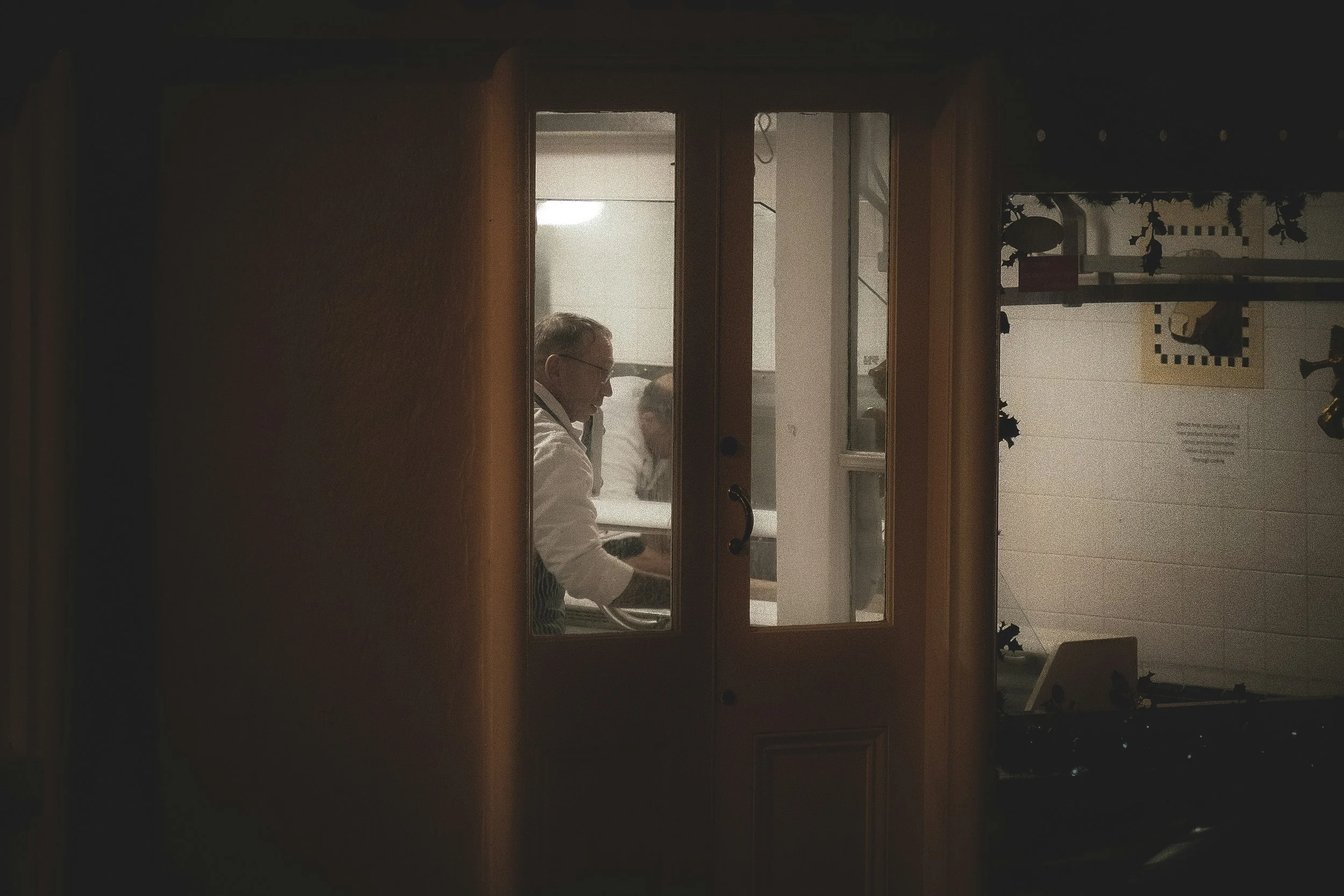
Family businesses who have specialised for years in specific products are no longer able to compete with their competitors. You could once go into town and walk past a wallpaper shop, a furniture shop, a shop selling only leather products, a cobblers, a camera shop. These businesses specialised in these products, and you were almost certainly getting something high quality from a person with years of specialised product knowledge. Now it seems that so many places are vying for the title of ‘one-stop-shop’; bookshops now sell stationery and toys, supermarkets double as florists and card shops, and these unique businesses cannot keep up.
Recent years have introduced further unique struggles for many family-run businesses, and for family-run pubs in particular. The impact of Covid on these businesses forced many to close their doors for good. Rural communities with two or three pubs have since found themselves with one (if even), with the remaining pub sometimes only open a few nights of the week. Not only are the businesses struggling, the communities are suffering. Valuable social outlets in rural areas were often found in these family businesses, and they are slowly disappearing.
It is not only the rural businesses that are struggling. Countless family businesses in cities have been forced to close in recent years, either due to the owner’s retirement, or the business no longer being financially viable. This is especially true in the inner city. Businesses who have operated in the inner city for over fifty years have found themselves unable to compete with the global populations popping up around them. A family bakery simply cannot compete with the likes of big supermarkets, who make so much money that they can afford to sell pastries for pittance.
A recent emphasis on supporting local businesses may help Irish family businesses in these difficult times. Rather than buying online or from big corporations, many people are choosing to spend their money in their local areas. In recent times, many family businesses in Ireland have sadly reached the end of their journey. Here’s hoping that those who remain will be able to continue their generational work of serving the community for years to come.
Written By: Kate O’Connor Shivnan
