Barbie on Blacklisting Boys: Gender Equality or Gender Division?
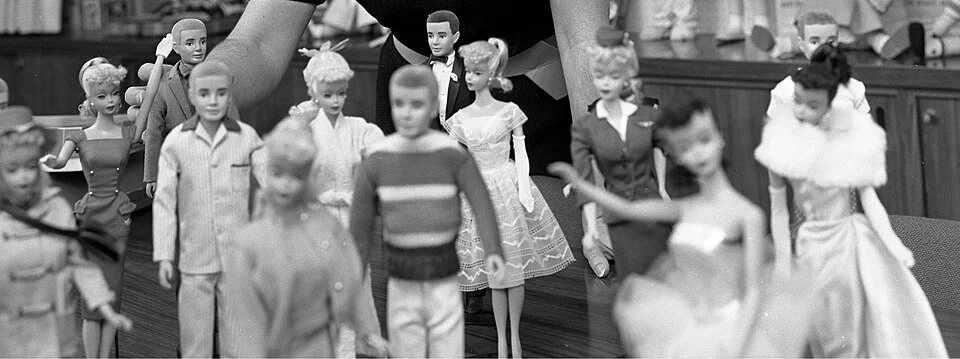
Barbie has long since been a symbol of female empowerment, from the days of Barbie film series DVDs that we would collect just to be able to pop into the DVD player to the now live-action Barbie movie starring Margot Robbie and Ryan Gosling. Is there anything Barbie can’t do?
Well, no. The answer is simply no. Barbie is and remains throughout her depictions as this idolised version of the female identity. She can do whatever her heart desires, and everyone adores her for it. It’s that immortalised ‘everything will work out’ not because it should work out, but because it’s Barbie. But this isn’t so much a message about Barbie but a message to little girls and women alike.
From a young age, Barbie has been a direct rebellion against the histories surrounding the female gender. While one can’t imagine it was the intention, Barbie almost erases the history that existed, where she brings us to this matriarchal utopia.
Why not say feminist utopia?
Well, can we really call Barbie a feminist if her entire world and utopia is built on the female domination over the male? And yes, we can all have that laugh over the irony, where historically women were at the home, at a man’s beck and call, their lives revolving around the male identity. However, for the many little boys who stumble into their sisters' room and end up on the floor, locked on the mesmerising colours of the Barbie universe. Are these boys feeling female empowerment to the same degree?
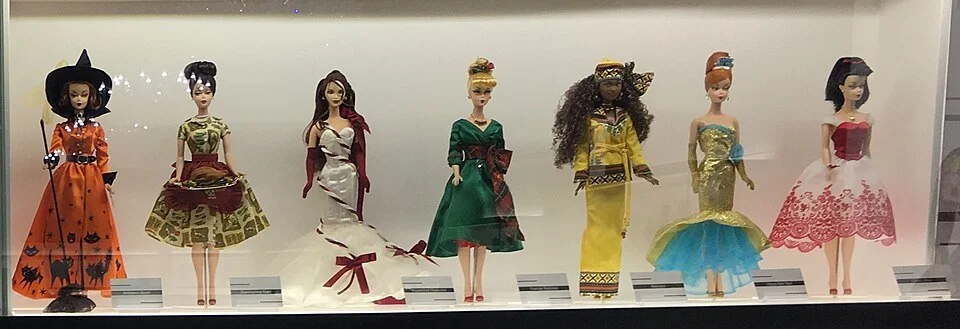
Does Barbie make them want to value and support female endeavors or simply reinforce the idea that there’s only room for one gender at the top of the ‘hierarchy’, and if it’s not the patriarchy, then will they be at the mercy of becoming another Ken?
You might be thinking, ‘Poor Ken’, he has a beautiful successful girlfriend, what could he be complaining about?
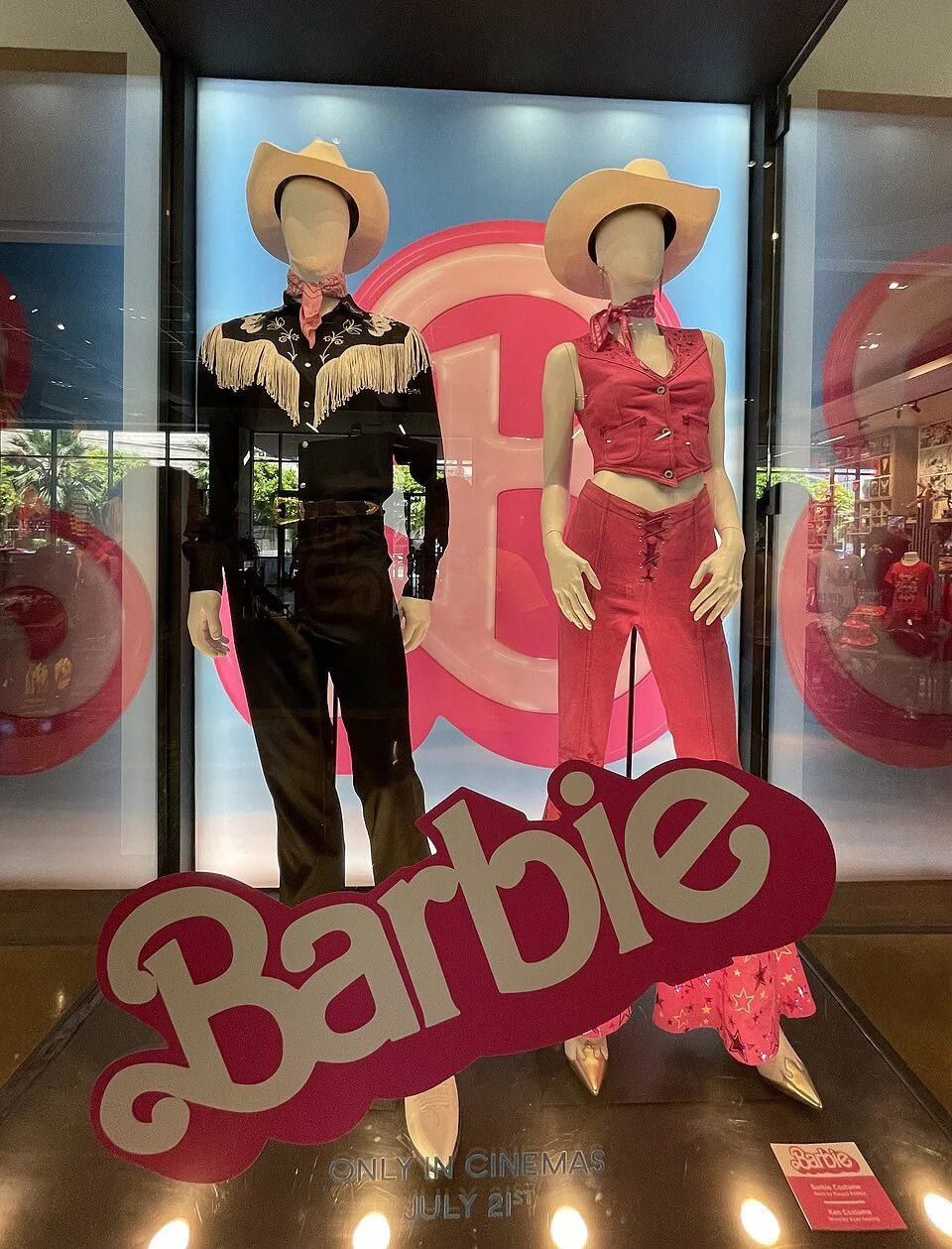
One of the most important yet overlooked themes of the live-action Barbie movie (2023) was the nod to the male experience in the Barbie universe. While in the ‘Barbie Life in the Dreamhouse’ portrays a Ken that is more than proud of his ‘Barbie senses’ that tingle whenever Barbie even needs a jar to be opened, it is an extreme talent he possesses, ingrained into him that makes him the ‘perfect boyfriend’. But is the perfect boyfriend unattainable for these young boys watching who do not possess the ‘spidey sense’ for women? And is that what women need to succeed? Would Barbie have been just as successful without a man on his knees for her?
The Barbie universe is an inspiration for women, and the message is not the issue nor the messenger. And as much as the toilet seat up or the snoring might cause some women to wish men away, the reality is men exist and a hierarchy, patriarchy or matriarchy, leaves one gender not only on the sidelines but simply just an extension of the dominating hierarchy.
Barbie has been beloved for so long for its push for gender equality, bringing female presence in particularly male-dominated fields, such as Barbie’s life as a pilot, doctor, astronaut, and many more. But we never see her alongside any male equivalents in the fields. We’ve all heard that AI claim that a city run by entirely by women would be cleaner and quieter, however, that’s not the reality, and entertaining that idea is fueling the fire of gender inequality further.
In the live-action film, we see Ken as someone who never seems to do ‘enough’ to gain Barbie’s love or time. While it’s a great way to show that neither gender owes the other anything simply for acts of kindness, Barbie is directly dismissive of Ken’s feelings, a nod to the historic dismissal of women who were assumably ‘content’ with their domestic pursuits.
This leads us to question whether Barbie was meant to be satirical? That perhaps the only way to get society to realise the ridiculousness of gender hierarchies can only be shown when it is shown as the matriarch?
So why do women have to be the punchline to be heard?
The biggest danger is that this satire is lost on the target audience… young children. Who would not begin to understand the complexities or the historical meaning behind this ‘gender-role’ swap. Where men are shown as domestic extensions of women, who leave the house and build careers, where the men’s identity extends as far as the title of ‘Barbie’s boyfriend’.
This might sound all too familiar to the women reading this or to the history textbooks. The frustration that comes about at the moment men are not dominating, the attention and conversation to it comes so quickly, when it is still a battle women are fighting today.
But the battle isn’t women against men or men against women, as we’ve seen happen in the live-action Barbie movie. The choices shouldn’t just be the mojo dojo casa house or the Barbie’s Dreamhouse, one gender should not have to overtake the other to exist.
The real peace that Barbie brought was showing that at the end the two genders can co-exist, and when they come together as a community, real progress and productive conversations happen. So has Barbie brought enough attention to the importance of gender-equality in community or simply used satire to create even greater gender-division in young impressionable generations?
Written By: Sophia Arceo
Edited By: Kirsten Baldwin
