Love And Modern Relationships: Can Friendship Breakups Hurt More Than Romantic Ones?
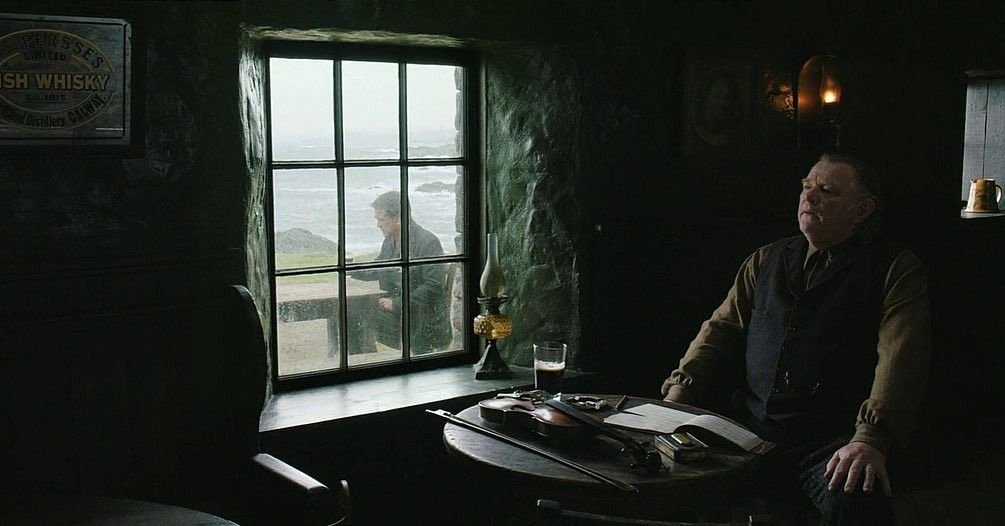
When it comes to relationships, there’s no shortage of “breakup movies” but recently films like “Friendship” or “The Banshees of Inisherin’ have been focusing more on a less discussed concept: “friendship breakups’.
It’s interesting to note how both films blend comedy with darker and even horror-esque elements to paint the somewhat bizarre pains that friendship breakups can impart.
In both films, the characters that get broken up with are quite isolated and alienated by their community afterwards – receiving little solace or care for their loss. This highlights how it's a facet of life that society often gives less weight to.
Even though it happens all the time, it’s discussed less because it can feel more abstract; like you’re alone in it – which creates a different, almost stronger sting than romantic breakups can.
There’s a lot to be said for the slogan “BFF” because romantic relationships only really get imbued with “foreverness” through the legality of marriage while the sentiment of “BFF” can be an unwritten, an unspoken agreement underlying most day-to-day camaraderies.
The problem is that when a friendship breaks, there’s no slow process like that of a divorce – it just ends like that. It can be harder to gain that sense of closure.
Friendship breakups are also difficult because it forces you to reflect on a different aspect of your character; you have to think about what you did wrong as a friend. A lot of people don’t give their identity as a friend enough thought and often they take the material evidence of having a friend or multiple as proof enough that they are in fact a good one themselves.
There are more traditional reasons which people can fall back on when rationalising a romantic breakup.
For one, the expectations which people expect from a partner are usually higher (or at least have higher stakes) than those placed on a friend. So, people can rationalise romantic breakups because of these expectations: they can accept that they had likable traits but just weren't quite the one for them. This rationalisation is harder to apply to a friendship breakup because being friends with someone doesn't hold the presumption that one day you will commit to sharing your lives or starting a family together.
However, friendship breakups don't have to be one-sided to hurt either. They can also be caused by external factors. For instance, both moving to new schools and then gradually losing connection is a natural reason for two people to drift from one another rather than a direct break. However, some friends can be forced to clarify this unfortunate reality. They both may feel their relationship has come to an end because they’re going into metaphorically different rooms on the next floor of life. Having to accept this can lead to feelings of bitterness because it emphasises how life changes. Relationships are often lost because of change and the different seasons of life, less so because of a person’s own agency. Funnily, friends can better represent the different stages of life than romantic partners because at times they prove to be more durable in our lives. Therefore, having to break them off is like saying goodbye to key periods of our lives.
It is important that the media continues to give attention to this kind of breakup. It is, unfortunately, a part of life just like romantic relationship breakups. While the process can be very painful, reflecting on a friendship breakup is just as important as reflecting on a romantic one. Either through meditating on the ways you could have been a truer friend or on why they mightn’t have been the right friend for you.
The lesson you learn is to think of who may be a better suited friend for you and in the process you get to know yourself and your boundaries more in depth. It is also important to remember and give thought to those broken childhood, teen and adult friendships as each one has formed a part of who you are and what type of friend you are today.
Written By Ben Lynch: @ben_lynch_
Edited By Alex Kelleher: @alex_kelleher_
