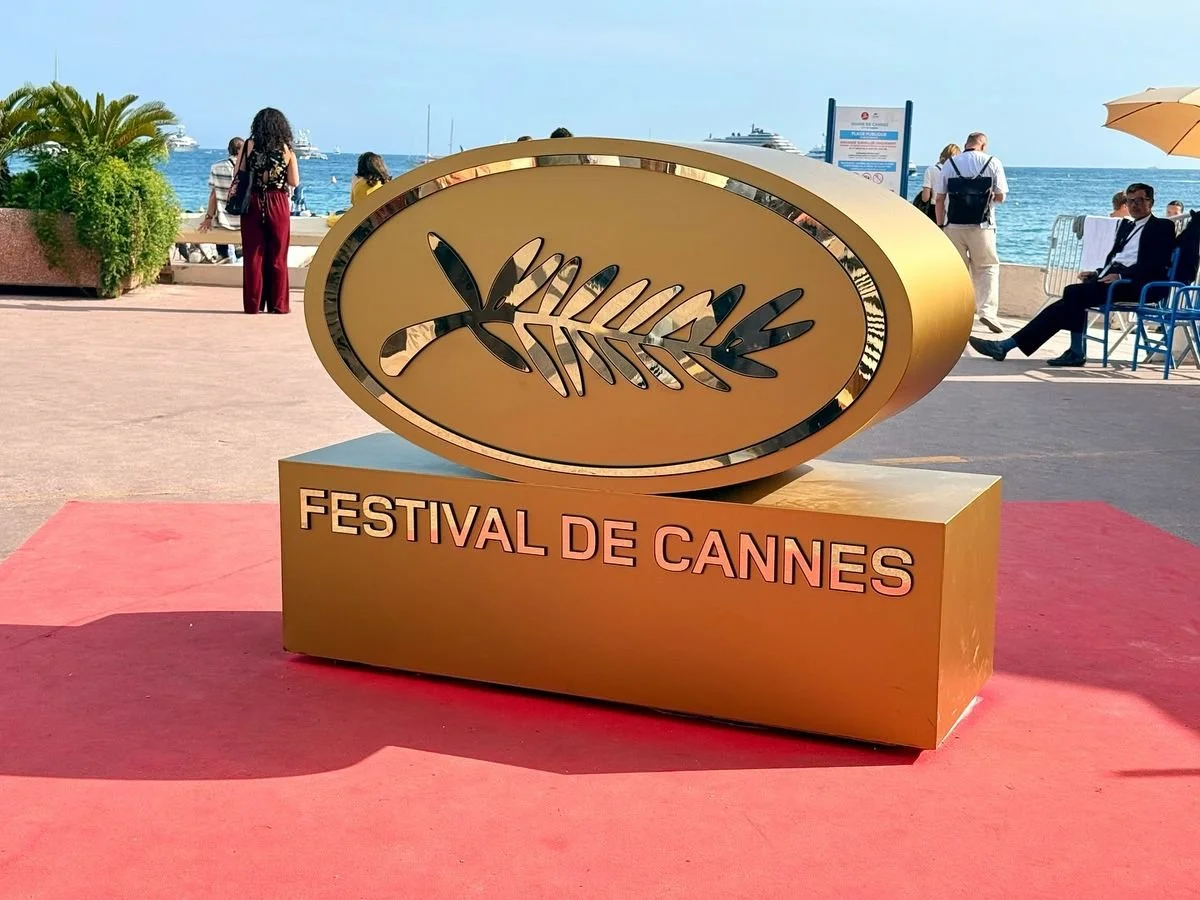
The golden age of Irish cinema is truly upon us with Oscar nominations and wins galore, funding more and more star-studded casts, boosting our economy and creating professions. Secret productions are occurring in the corners of our counties and Screen Ireland, the IFB and the IFI’s dedication to displaying the beauty and celebration of Ireland (such as contorting Cork into the creepiest place ever in the new Hokum, starring Adam Scott) onto the global screen and into the ether! Irish film is no longer a token placement in Hollywood, it is becoming an industry of its own but as a nation of storytellers, this was bound to happen at some point. Now, on the topic of glitz and glamour, Ireland is set to have up to seven films presented at this year’s Festival De Cannes, showcasing Irish production, acting, film-making and lesser known parts of our culture to the biggest celebration of film in the world. At the height of our presence, now might be an opportune time to look back at some of the highlights of Ireland’s history in Cannes and then cycle back around to our 2026 presentations like a reel of film!
While the first festival De Canne was a post war celebration in 1946, its nexus bloomed eight years prior in a similar rally against facism. Phillip Enlarger was in attendance at the first ever international festival of film, the Venice Monstra, in 1938 to critic and crowd favorite films lose as Leni Riefenstahl's Olimpia and Goffredo Alessandrini’s Pilot, two pieces of fascist propaganda took the Mussolini award. This decision caused outrage with France, the US and Britain vowing never to return and it inspired Enlarger’s vision to create a festival free of political pressures and constraints where the art of cinema is the only dictator.
This political conception aligns with Ireland’s first ever win of the hailed and heralded Palm d’Or was for Ken Loach’s historical, political classic the Wind that Shakes the Barely, two decades ago. Set during the war of independence and starring Cillian Murphy in one of his most iconic roles ever. Since Ireland's major production companies such as Element Pictures, Samson Films, and ShinAwil were yet to blossom, this film was Irish-UK-Italian-German and Spanish co-produced and was set in locations such as Bandon Town, Mallow, Buttevant and Coolea and Killarney. When Kevin Loach received his unanimous award after seven previously unsuccessful selections, he said: “This is a grand honour. Our film is a little step in the British confronting their imperialist history. Maybe if we tell the truth about the past we can tell the truth about the present”. Surprisingly, it did not go on to receive any academy nominations exemplifying how Ireland was still underrepresented by the academy in such years but set a record as highest grossing Irish-made independent film at the time and since lived long in cultural memory.
Ireland’s only other major award before this was when English film-maker John Boorman, who resides in Ireland, was named best director for the second time for his film The General, the first Irish entry selected for competition since Cal in 1984. The General is based on the true story of Martin Cahill, the notorious Dublin criminal. Mr. Boorman dedicated his award to the people of Ireland in his acceptance speech: "I have lived in Ireland for many years. This week the Irish nation voted for peace, and we are all very thrilled about that".
Following the Palm d’Or in 2006, Cannes saw success for Ireland's production company, Element Pictures, as Yorgos Lanthimmos's The Lobster, which was funded by the IFB, took home the Jury Award. Minister for Arts, Heritage and the Gaeltacht Heather Humphreys TD said: "This is yet another boost for the Irish film industry, and I would like to congratulate all of those who were involved in the making of the Lobster. Shot in Ireland, the film is a great example of what can be achieved through international co-production". This both helped the career of the popular amateur, Jergos, represented Dublin as an attractive location and boosted the recognition of Element Pictures. Finally, in 2017 they returned once more with Lanthomos’s second fever-dream film, the Killing of the Sacred Dear. Speaking in Cannes, IFB Chief Executive James Hickey said:“The Cannes Market is one of the largest film markets in the world so it is hugely important to the Irish film industry in terms of raising finance for up-and-coming productions and ensuring Irish films sell to international territories across the world. I’m also delighted to see that the critics’ reaction to The Killing of a Sacred Deer is so overwhelmingly positive. I'm particularly pleased to see Barry Keoghan breakthrough as a major international star to watch and I would like to congratulate Ireland’s Element Pictures, undisputedly now one of the world’s leading production companies.”
Now if we return to the 79th Cannes festival taking place from the 12th to the 23rd of May. When looking at documentaries, Alexander Murphy’s Tin Castle, which tells the story of an Irish traveller family, is set to debut, while the The Story of Documentary film (1970s) is directed by the Irish Mark cousins and offers a 1970s retrospective of the medium. Meanwhile, Ireland’s biggest actors will be in the limelight, with Barry Keoghan starring Butterfly Jam and Lola Petticrew and Daryl McCormack starring in I See Buildings Fall Like Lightening, both original screenplays exhibiting in the Director’s Fortnight. Finally, Screen Ireland’s connections will be seen in David Turpin’s Ancestors and the UK psychological thriller Daughter of Eden. Also, if this wasn’t enough, there may be a new Herzog film that’s shot in Dublin and co-produced in Ireland and if this legendary director doesn’t excite you enough the title Bucking Fastard undoubtedly has that covered.
Written By: Ben Lynch, @ben_lynch__
Edited By: Kirsten Baldwin, @teddys_bookshelf
