Sarah Ormond-O’Neill is Making Irish Streetwear Sustainable
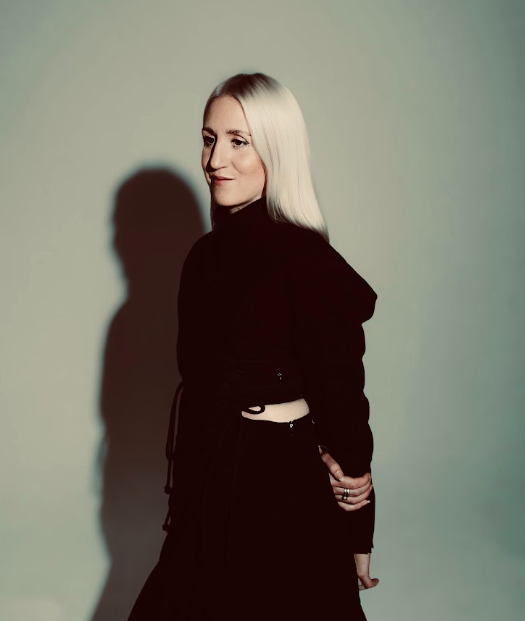
Cork-based designer Sarah Ormond-O’Neill is transforming the Irish fashion industry one garment at a time. Her collections are the inverse of fast fashion: they are experimental, inspired by her Irish heritage, and crucially, made from reclaimed materials. Since each piece is created from deadstock fabrics, every one is unique and intended to be lived in and maintained by its owner, rather than worn once and discarded.
Starfish were delighted to chat to Sarah about her "nothing goes to waste" philosophy, the details of her creative process, and her upcoming collection, which is available for pre-order now.
What first sparked the idea behind The Zero Waster, and how has your vision evolved?
During an internship in my third year of college, I worked all hours for a London-based designer,
putting literal blood, sweat, and tears into prepping for her runway show. The show itself lasted
only a few minutes. Immediately afterwards, I found myself shoved into the back of a van
alongside weeks’ worth of meticulously crafted garments, tasked with simply archiving them
away in a studio. Seeing that amount of human labour, creativity, and energy reduced to a brief
moment of hype was something that did not sit right with me. I knew right then that I didn't want
to be a cog in that traditional system—but because I still loved my industry, I decided to devote
my time to challenging that system rather than joining it, and I’ve been doing so ever since.
Instead of launching a traditional brand, I dedicated several years to researching circular
business models to create my own blueprint.
Rather than building a brand that attempts to appeal to everyone, my vision has evolved to
focus entirely on nurturing a specific community. I have created a pre-order model featuring
limited-edition drops. Every piece is crafted from reclaimed materials, creating a beautiful
element of built-in scarcity—once the fabric is gone, the design can never be repeated. This not
only eliminates overproduction but ensures that each piece remains entirely unique to the
collector who buys it.
Can you walk us through your creative process — from reclaiming materials to final
design?
The journey always starts with sourcing. I look for textiles that have lived a previous life—usually
deadstock materials with incredible texture and history. Because my aesthetic is conceptual and
avant-garde, I rarely use flat, commercial patterns. Instead, I bring the reclaimed materials
straight to the mannequin and drape. I treat the textile like a sculpture, manipulating the fabric to
see how it moves, how it falls, and how it interacts with the human form. Once the form is
established on the stand, the focus shifts to technical execution and circularity.
The final design is prepared for a limited-edition, pre-order capsule. Because the materials are
reclaimed, the fabric itself sets the hard boundary for the collection. Once that specific textile run
is exhausted, the design is retired permanently.
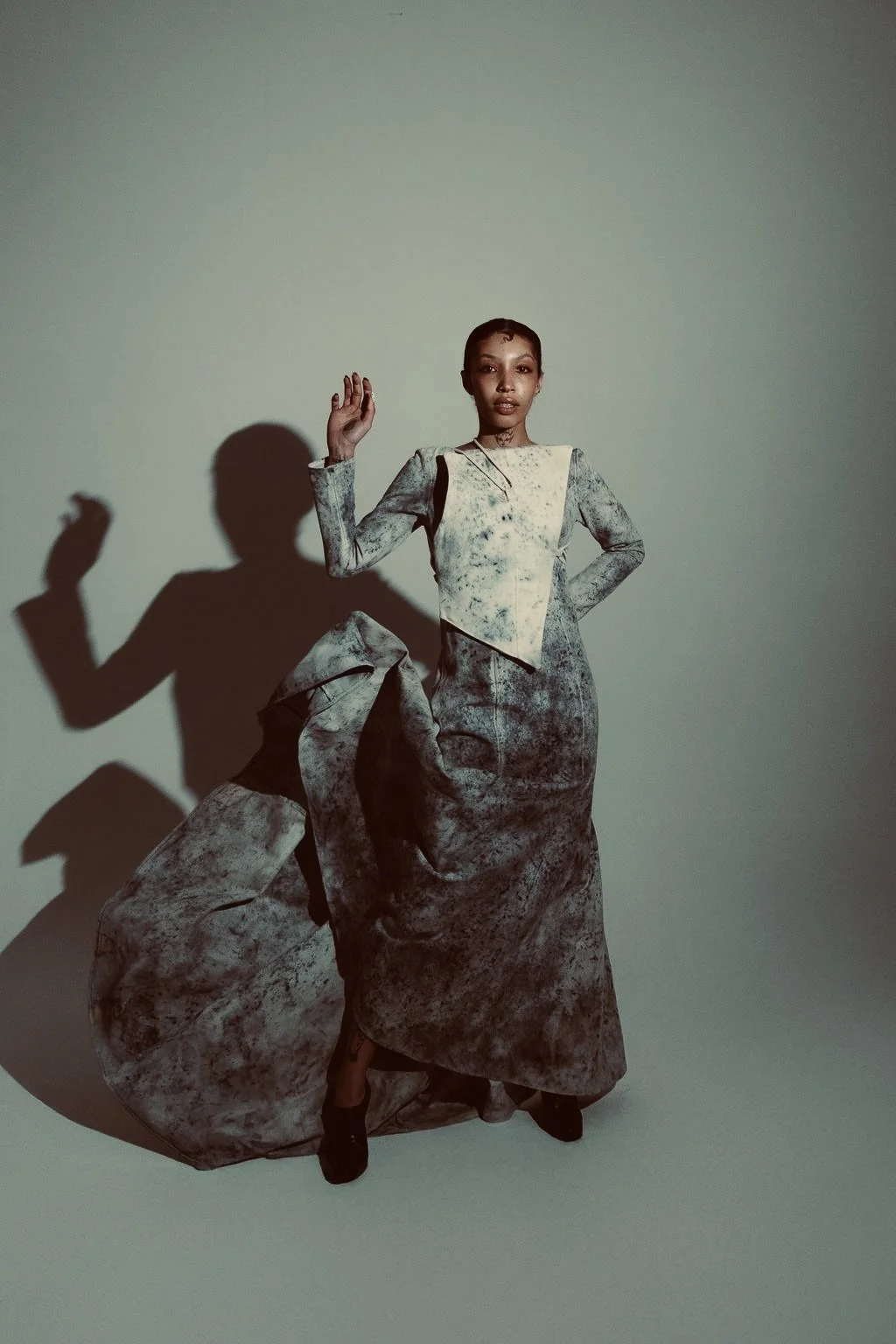
A crucial element of my creative expression is natural dyeing. I have spent years exploring this
space, and for my bespoke, made-to-order pieces, I still hand-dye the textiles myself using
organic matter. It’s an incredibly intimate, unpredictable process where nature essentially
dictates the palette.
However, as the brand has grown, I wanted to offer a ready-to-wear range without
compromising my environmental ethics. To achieve this, I recently established a partnership with an artisanal, eco-certified natural dye house based in Portugal.
This partnership is a massive milestone. It allows me to scale my vision while maintaining
strict ecological standards. By working with them, I can guarantee commercial colour
consistency and colourfastness across a larger range, bridging the gap between
high-concept wearable art and functional, everyday luxury.
Your latest collection highlights Irish craft. What drew you to Báinín wool and botanical dyes?
I decided to tap into Ireland’s rich heritage of craftsmanship and look directly at our woollen
mills. In order to keep my carbon footprint low, I realised there was no better approach than to
utilise the incredible resources I have access to right here in my own country.
Luckily for me, wool is one of the absolute best materials in terms of sustainability. It isn’t just a
natural fibre; it is inherently regenerative. It grows naturally, requires no toxic chemicals to
produce, and possesses an extraordinary ability to capture carbon when it breaks down back
into the soil, it doesn't leave a trace of pollution—instead, it actually releases valuable nutrients
back into the earth, essentially feeding the land it came from.
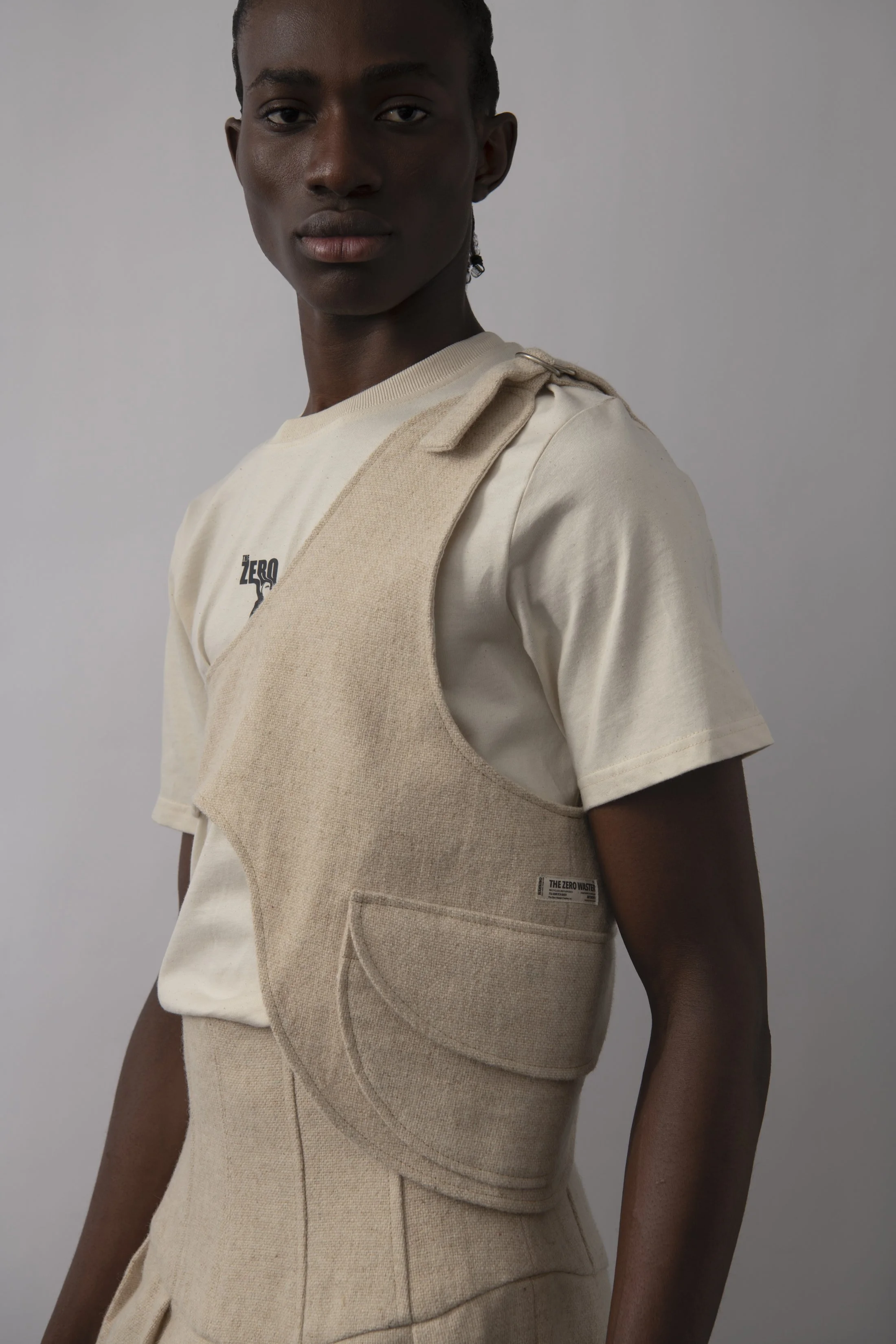
For this latest collection, leaning into Báinín wool and botanical dyes felt like the ultimate
expression of this philosophy. Báinín is steeped in Irish identity. By marrying its raw,
sculptural texture with local plant dyes, I am able to honour traditional Irish craft while
viewing it through a contemporary lens.
What does ‘radical transparency’ mean to you in the context of fashion?
Honestly, to me, ‘radical transparency’ just means being able to trace the entire lifecycle of a
garment so that the customer can fully understand its real impact.
I include detailed information with every single piece I make, allowing the buyer to see exactly
where the material originated, plus where and when it was made. I also give them an estimate
of the carbon footprint it created, and clear details on how repairable and recyclable that
garment is at the end of its life.
It also means being upfront about the realities of my business model. It means admitting that my
garments cost more because it’s hard to compete with so-called ‘sustainable’ brands that
mass-produce in such high volumes that their cost prices are super low. True sustainability isn't
cheap—I work with limited, reclaimed materials, pay fair local wages, and don't overproduce.
Because of that built-in scarcity, when the fabric is gone, it’s gone. I can’t just increase volume
to drive the price down.
At the end of the day, radical transparency is about putting the human connection back into what
we wear. When someone buys a piece from my brand, they will know the full impact of what it
took to make that garment. They get to honour the story behind the reclaimed materials and
understand exactly why that garment is valued the way it is.
What message do you hope people carry with them when they wear your pieces?
When someone wears one of my pieces, I want them to feel a deep sense of pride and
connection. I want them to carry the message that they are actively resisting a disposable
fashion system and choosing to honour a living story instead.
Because my materials are reclaimed and runs are so limited, wearing one of these pieces
means you are carrying something truly finite and unique. It’s wearable art that cannot be
mass-produced or repeated.
Ultimately, I want them to carry the belief that style and ethics don't have to be a compromise.
Is there anything exciting coming up for Sarah Ormond O’Neill that we should keep an eye on?
I am currently getting ready for a drop of limited-edition shirts made entirely from deadstock
linen. Because the materials are reclaimed, the quantities are super limited. If you want to grab
one, the link to the waitlist is right here:
https://www.sarahormondoneill.com/sarahormondoneill/vip-drop
Anyone on the waitlist will get priority access to the pre-order window before they go live to the
public.
Apart from that, I’ve had a bit of a whirlwind few weeks! Last month, I was named a prize winner
of the Visa Recycle the Runway initiative at the Global Fashion Summit in Copenhagen. As part of the prize, I’ve been partnered with a pioneering natural dye house in Portugal that creates lab-grown natural dyes. I’ll be working on a very special collaboration with them to bring out a unique range this coming September. I absolutely cannot wait to push the boundaries of colour and sustainability with their technology.
And of course, behind the scenes, I am already deeply in prep mode, getting ready for this year's DIFW (Dublin Independent Fashion Week).
You can shop Sarah’s exclusive collections on her website, www.sarahormondoneill.com. You can also keep up with her limited-edition drops on her Substack, https://substack.com/@sarahormondoneill, or her Instagram, @sarahormondoneill.
Written by: Mia Tobin Power and Robyn Doyle
Edited by: Kirsten Baldwin
