The comeback of Burberry
About Burberry
Thomas Burberry didn’t just create a fashion house, he built a solution. In 1856, he introduced gabardine, a breathable, weatherproof fabric that changed outerwear forever. It wasn’t just about style; it was about function. His designs were worn by polar explorers and aviation pioneers, proving durability in extreme conditions. During both World Wars, Burberry’s trench coats became essential for soldiers, practical, protective, and quietly iconic. What started as innovation for survival slowly transformed into a symbol of British identity. Long before luxury branding, Burberry stood for purpose, resilience, and understated elegance rooted deeply in real-world utility.
Overexposed
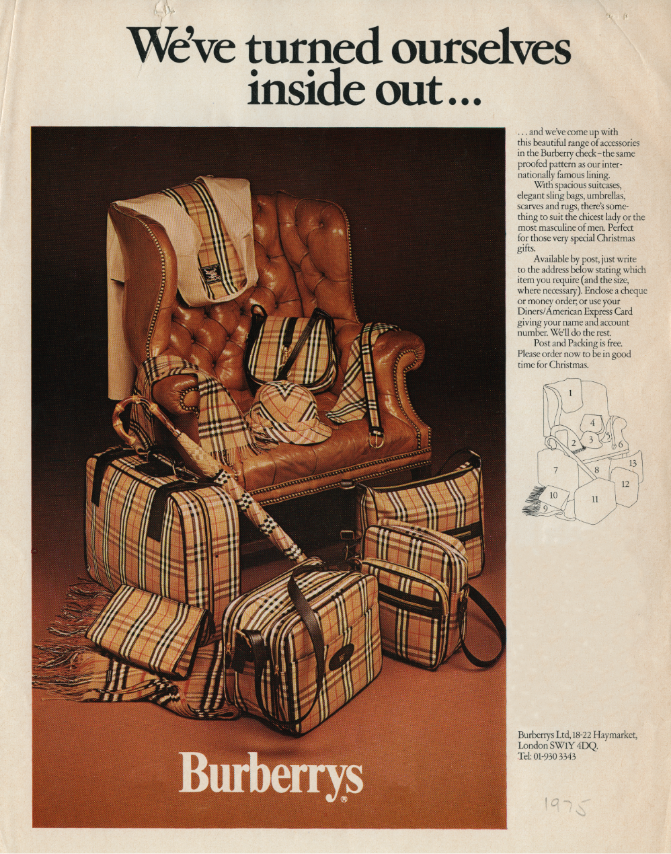
The iconic Burberry check, once a mark of quiet luxury, became its own downfall. Over-licensing and mass visibility diluted the brand’s exclusivity. Suddenly, it was everywhere: caps, scarves, knock-offs, and street markets. What once symbolised heritage started to feel overexposed and, at times, misrepresented. The brand lost control of its narrative. Instead of aspiration, it became accessible in the wrong way. Burberry wasn’t rare anymore, it was familiar, almost too familiar. In trying to scale, it blurred the line between luxury and mass appeal. The check, once timeless, became a cautionary tale of how visibility without control can erode brand value.
New Creative Director
When Riccardo Tisci stepped in, he brought contrast. Italian by design, his aesthetic clashed, in a good way, with British heritage. His vision was bold, modern, and culturally layered. As he put it, “I want to capture everything that’s part of British DNA, from anarchy to conformity, punk to the Queen, rock to rap.” Tisci tried to reframe Burberry as a global, youth-driven brand. But in doing so, the identity began to stretch too far. The message became less clear, and the brand, while still relevant felt diluted. It was evolving, but not always grounded in what made it distinct.
The Reset with Daniel Lee
Daniel Lee marked a reset. His approach felt quieter but more intentional, less noise, more identity. Instead of chasing trends, Lee leaned into Britishness in a way that felt authentic and grounded. You could see it in the casting, the locations, the tone, everything felt rooted again.
Three years in, Lee reflects: “Really learning to trust my instincts and stay true to my process. It can be tempting to second guess, especially in such a fast-moving industry, but I’ve found that the best work happens when I stay grounded in what feels right creatively.” That mindset shows. His Burberry doesn’t try too hard, it just feels right.
He also understood something critical: accessibility doesn’t mean dilution. By repositioning pricing, around £1,200 to £2,000 instead of pushing excessively high, he made the brand aspirational but still reachable. It feels considered, not forced.
Campaigns under Lee have been visually strong and culturally aware, tapping into nostalgia while staying current. There’s a softness to the storytelling, less about selling, more about feeling. That’s why people are connecting with it again. It feels human, not just luxury.
What Went Wrong
COVID disrupted everything, but for Burberry, it exposed deeper cracks. With retail shutting down and consumer priorities shifting, brands had to rely heavily on identity. Burberry, at that time, lacked clarity. It was caught between heritage and reinvention, unsure of where it stood. The inconsistency in creative direction didn’t help. Digital became essential, but the storytelling wasn’t strong enough to cut through. While competitors sharpened their positioning, Burberry felt slightly lost. The pandemic didn’t create the problem, it highlighted it. The brand wasn’t failing, but it wasn’t leading either. And in luxury, standing still often means falling behind.
Bounce Back Reasons
The comeback worked because it went back to basics, but in a smart way. Burberry re-centred its identity around British heritage, not as nostalgia, but as relevance. Stronger creative direction, tighter brand control, and consistent storytelling made a difference. Campaigns became more emotional and less commercial. Pricing strategy also played a key role, making luxury feel attainable without losing value. Most importantly, the brand stopped trying to be everything. It focused. That clarity is what people responded to. Burberry feels intentional again, and in today’s crowded market, that’s what stands out.
Burberry’s comeback isn’t loud, it’s confident. It proves that heritage, when handled right, never goes out of style. By reconnecting with its roots while evolving thoughtfully, the brand has found its balance again. Not just relevant, but respected. And this time, it feels like it’s here to stay.
Written by: Shreya Sharma @shreyaaaaaaa159
Edited by: Alex Kelleher @alex_kelleher_
