What you need to know before Dior Cruise ‘27
Irish designer Jonathan Anderson is set to debut his ‘27 Cruise show for Christian Dior on May 13th, 2026. Marking his first off-season line for the brand, there’s no doubt that there’s an air of excitement to see what the visionary behind JW Anderson is set to produce ahead of the historic label’s resortwear line.
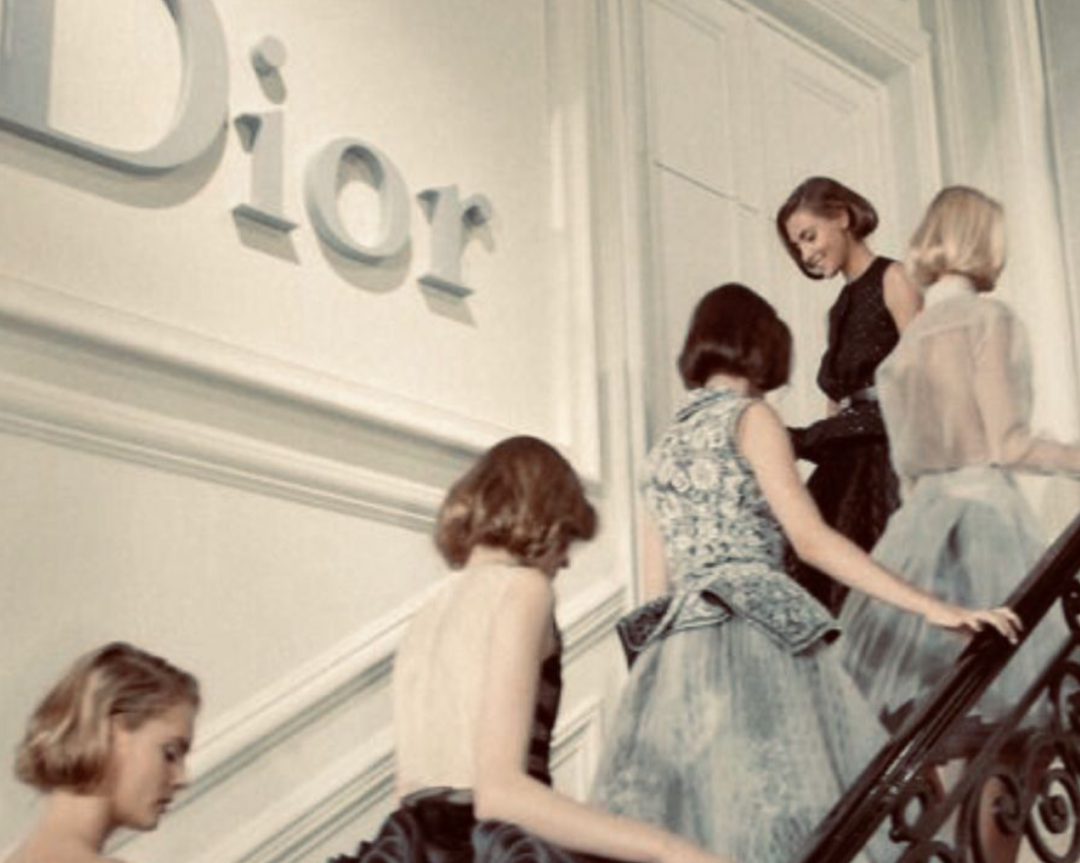
Whereas fashion weeks are bound to specific cities, Cruise collections could take you anywhere in the world. Despite Dior having its culture and heritage firmly rooted in Paris, Anderson is set to debut his show in Los Angeles – aligning perfectly with the opening of the new flagship store in the city. In a lot of ways, the choice makes sense. Sunny California is bound to have a market of fat-pocketed buyers itching at the chance for their own Dior pieces.
However, it’s impossible to glaze over the financial implications of this debut. With the US economy and tariffs taking a heavy toll on the American luxury market, brands have undoubtedly decided to pay special attention to state-side consumers in the hopes of maintaining the market. Anderson, based in Paris and London for the time being, has been working closely with California-based artists for the last few months of his tenure at the house, seemingly bringing his latest collection to their doorstep.
Anderson not only produced the costumes for Sabrina Carpenter’s Coachella performance, but was also the visionary behind her MET Gala “Sabrina” film dress. Dior has always had a heavy presence on the Pacific coast, with stars like Cameron Diaz, Jennifer Lawrence, Natalie Portman, Gweneth Paltro often being spotted wearing the brand. If Hollywood loves Dior, why shouldn’t Dior love them back?
The Cruise collection has always been the most exclusive collection of any brand, allowing fashion houses to flex their creative and financial muscles in the face of high runway production costs. Dior is notably also a subsidiary of the LVMH: Louis Vuitton Moet Hennesey conglomerate, allowing most of their business decisions to be directed by the whims of French billionaire Bernard Arnault.
Arnault is known for his ability to turn dying couture houses into industry giants, hiring Marc Jacobs as the first Creative Director of Louis Vuitton in the 90s to revamp the brand. All this to say that every choice these houses make is a deliberate one – with very clear intentions.
Bringing American designers into French fashion houses was one way Arnault managed to capture the bolstering US economy of the early 2000s, and he’s seemingly willing to dig his heels in the sandy California coast to maintain his influence.
Citi analyst Thomas Chauvet insists that despite declining credit card spending on luxury goods in the US since October 2025 and dwindling consumer confidence/priorities, “The US consumer remains healthy overall.” He attributed this to the sector’s wage increases, savings, potential stock market gains and tax cuts. Dior’s consumer circle has always been small by nature, but this assessment can’t help but feel all too limited in its scope.
Arnault’s business model was so powerful thanks to his understanding of Fashion as an aspirational business. Expensive runway shows needn't break even, because the visual language of the brand would offer a lifestyle philosophy middle class consumers would want to emulate. Selling a $50 blush or asking someone to invest a couple hundred euros on a pair of sunglasses is a lot easier than trying to entice them into buying a $2,000 blouse.
Yet when Fashion cannot handle being aspirational, who are these extravagant shows for? Your small client base hardly needs a global fashion event to distract them from the horrors their own bank accounts could help mitigate, and the global working class is more disillusioned with the craft than ever.
Despite this, Anderson’s Cruise debut is still one of the most highly anticipated fashion events of the year. While these businesses may be colossal corporations, they’re also the biggest platform on which designers can showcase their work. Ultimately, can we really blame Anderson for embracing the opportunity of a lifetime even if it feels so grossly out of touch?
Anderson has received numerous awards and accolades for his work at JW Anderson and as the creative director of LOEWE, and in all honesty, his pieces speak for themselves. Should global tensions dismiss the effort and creative visionary of those trying to respond to it, or does the dream job come at a price few should want to afford?
Written By: Alia Ayoubi @aliairis
Edited By: Malini Jayan @maliniiwrites
