The Psychedelic Renaissance: Rethinking Consciousness
There was a time when psychedelics represented the future of psychiatry.
Long before LSD became shorthand for the counterculture, researchers were investigating its potential to treat alcoholism, depression and end-of-life anxiety. Throughout the 1950s and early 1960s, scientists across North America and Europe published hundreds of studies exploring how altered states of consciousness might be harnessed in clinical settings. The work was imperfect and often methodologically weak by today’s standards, but it was taken seriously. Psychedelics were viewed not simply as drugs, but as tools capable of revealing something about the human mind.
Then, almost as quickly as research had begun, it disappeared.
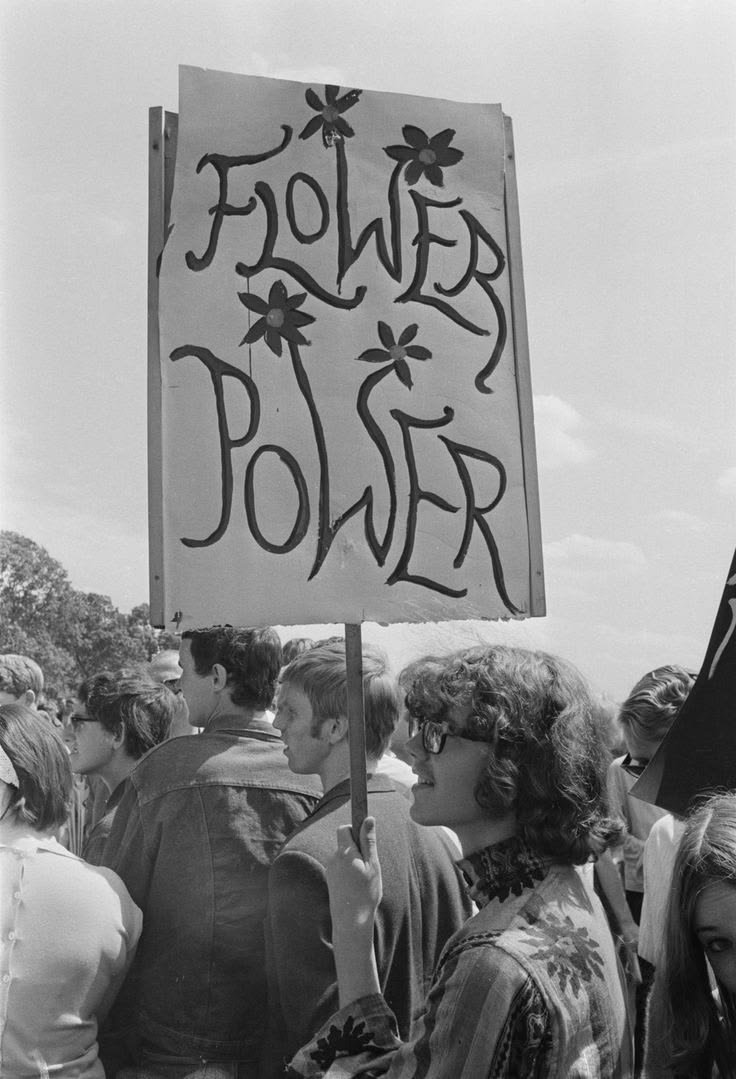
The story most people know is one of hippies. Woodstock, and Timothy Leary urging young Americans to, ‘turn on, tune in, drop out,’ though the reality was more complicated. As psychedelic use became increasingly associated with anti-war protests and youth counterculture, political attitudes hardened. In 1970, President Richard Nixon signed the Controlled Substances Act, classifying LSD and psilocybin as Schedule I substances: drugs deemed to have a high potential for abuse and no medical use. Research funding dried up, regulations became increasingly restrictive and many scientists abandoned the field altogether.
The timing mattered. Psychedelics had become more than a scientific question, they were a cultural symbol. To many in government, particularly the Nixon administration, they represented not only a public health concern, but a challenge to authority. The War on Drugs that followed did more than criminalise certain substances. It fundamentally altered the direction of psychiatric research, placing an entire area of scientific inquiry into decades of suspension.
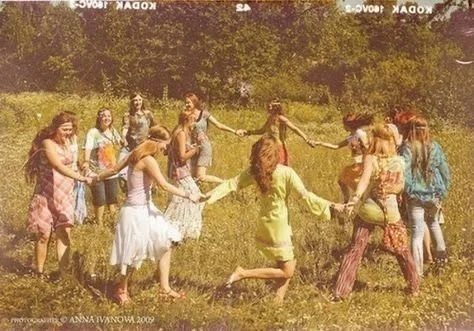
Yet, psychedelics had never belonged solely to laboratories. They had become entwined with the aesthetics and politics of the late 1960s, appearing in album artwork, experimental cinema, literature and the visual language of the counterculture. They became shorthand for rebellion, self-discovery and a rejection of traditional authority. Once that happened, separating the compounds from the movement surrounding them became almost impossible.
For much of the late twentieth century, psychedelics survived primarily as cultural artefacts. They appeared in films, music and stories about the excesses of the 1960s, while their earlier history as legitimate research tools faded into the background. The conversation shifted from laboratories to folklore.
Now, more than fifty years later, it is quietly beginning again.

Universities including Johns Hopkins and Imperial College London have established dedicated centres for psychedelic research. While clinical trials investigating psilocybin-assisted therapy, for treatment-resistant depression and MDMA-assisted therapy, for post-traumatic stress disorder have attracted international attention. What was once dismissed as fringe is increasingly being examined by some of the world’s leading medical institutions.
Unlike many of the early studies, modern clinical trials take place under tightly controlled conditions. Participants are carefully screened, supported by trained therapists and monitored throughout the process. Psychedelics are not being presented as miracle cures or recreational experiences, but as one component of a broader therapeutic framework. In many studies, the emphasis lies as much on the psychotherapy surrounding the experience as on the drug itself.
The results have been difficult to ignore. Early trials have suggested that psilocybin-assisted therapy may help some patients with treatment-resistant depression, while MDMA-assisted therapy has shown promise for people living with post-traumatic stress disorder. Researchers remain cautious, stressing that larger studies are still needed before these treatments become widely available, but the conversation has shifted. The question is no longer whether psychedelics deserve to be researched. It is how that research should continue.
That shift says something about more than psychiatry. It reveals how easily scientific ideas can become entangled with politics and culture. For decades, psychedelics carried the baggage of the 1960s. They were discussed less as compounds than as symbols of rebellion, moral decline and social disorder. Their reputation was shaped not only by evidence, but by the anxieties of the era that they became famous.
Their resurgence also reflects a broader cultural shift. Conversations around therapy, mindfulness, burnout and mental wellbeing have become increasingly mainstream. Ideas once dismissed as alternative have steadily entered everyday life. Meditation apps, wellness retreats and breathwork classes promise altered states through discipline, rather than drugs. Suggesting that our fascination with consciousness never disappeared, it simply found socially acceptable forms. Against that backdrop, psychedelic research feels less like an anomaly, and more like part of a wider attempt to rethink how we experience the mind itself.
Today, the cultural landscape looks very different. Conversations around mental health have become more open, and there is growing recognition that existing treatments do not work for everyone. Depression, anxiety and post-traumatic stress disorder remain among the most pressing public health challenges worldwide, prompting researchers to revisit questions that were effectively abandoned half a century ago. Rather than signalling a return to the counterculture, the renewed interest in psychedelics reflects a broader willingness to reconsider ideas once dismissed as too controversial to explore.
That willingness has implications beyond the laboratory. It forces us to ask how societies decide which forms of knowledge are considered legitimate, and who gets to make those decisions. The history of psychedelic research suggests that scientific progress is rarely linear. Research can disappear, not because the evidence has been disproven, but because the political and cultural climate no longer allows it to continue. Just as importantly, it can return when that climate changes.
Ireland has yet to play a major role in this new wave of research, but it will inevitably become part of the conversation. As international clinical trials continue and regulators weigh emerging evidence, questions around psychedelic-assisted therapy will become increasingly difficult to ignore. In Ireland, where public conversations around drugs have traditionally centred on criminality, rather than consciousness, the revival of psychedelic medicine may force a cultural reckoning. It raises uncomfortable questions about why some substances retain an enduring social legitimacy, while others remain defined by decades-old moral panic. They are likely to prompt debates, not only about drug policy, but about the approach to mental healthcare more broadly. Raising questions on whether our existing systems leave enough room for new approaches when conventional treatments fall short.
None of this means psychedelics are about to transform psychiatry overnight. Significant questions remain around regulation, accessibility, long-term safety and who might benefit most from these treatments. Researchers are often the first to emphasise caution over enthusiasm.
Perhaps the most remarkable aspect of the psychedelic renaissance is not the compounds themselves, but the fact that they are being taken seriously again. Fifty years ago, an entire field of inquiry was pushed to the margins, its scientific potential eclipsed by political fear and cultural panic. Today, those same questions are once again being asked in hospitals, universities and research centres around the world.
The story of psychedelics was never only about chemistry. It is a story about politics, morality, art, fear and the way culture shapes which ideas are allowed to flourish and what is left behind. Their return to the laboratory is not simply the revival of a medical treatment, but a reminder that science never exists outside the society that surrounds it.
Written By: Holly Warren
Edited By: Hazel Hunter
