Brice Gelot Rewrites the Narrative of Urban Communities
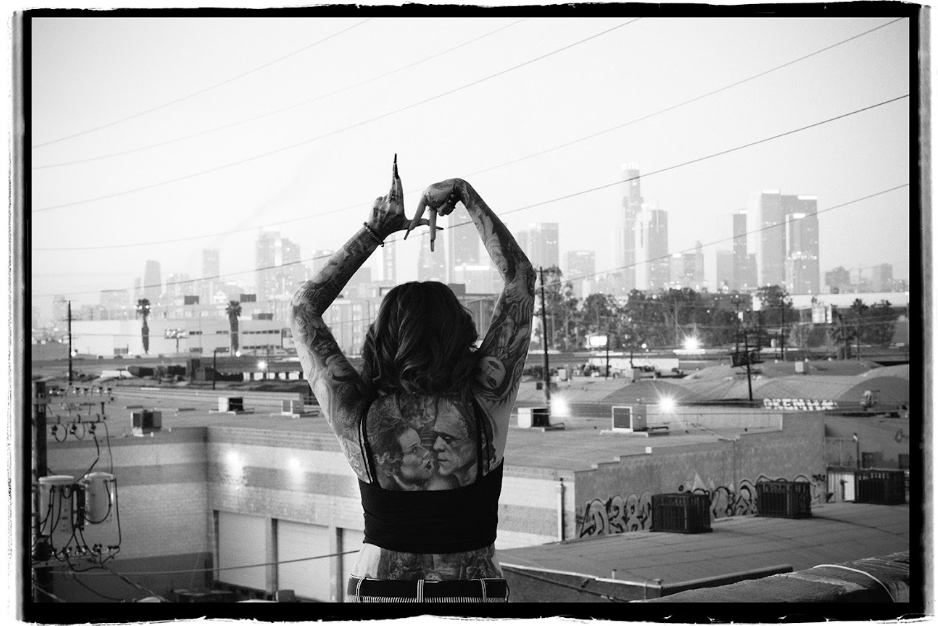
Brice Gelot is an award-winning French photographer. For over 20 years, he’s used black-and-white photography to document international communities and cultures, focusing on those often misunderstood or overlooked by mainstream media.
His passion for examining how various social issues manifest in the lives of ordinary people is expressed across his many projects, including For the Love of God, which explores the role of faith in modern life, and Gimme Shelter, which captures global housing crises with empathy and humanity, and from which all profits are donated to homelessness and housing support charities.
His most significant project to date is the long-term documentary series Straight Out the Hood, which provides a counternarrative to stereotypical depictions of marginalised urban communities. So far, Brice has worked with subjects in cities across the world, including Paris, London, Naples, Los Angeles, Ho Chi Minh City, and Mexico City. Even now, he tells us, the project “continues to evolve.”
In 2022, Brice founded the studio NSD51/50, which is based in his hometown of Dijon. The studio’s objective, Brice writes on its website, “is to document the stories, environments, and lives that many choose not to see” - a sentiment that echoes throughout his work.
Brice traces his origins as a photographer back to 2004, when he first picked up an analogue camera. “I wasn’t interested in creating perfect images,” he explains. “I wanted to understand people and the environments they lived in.”
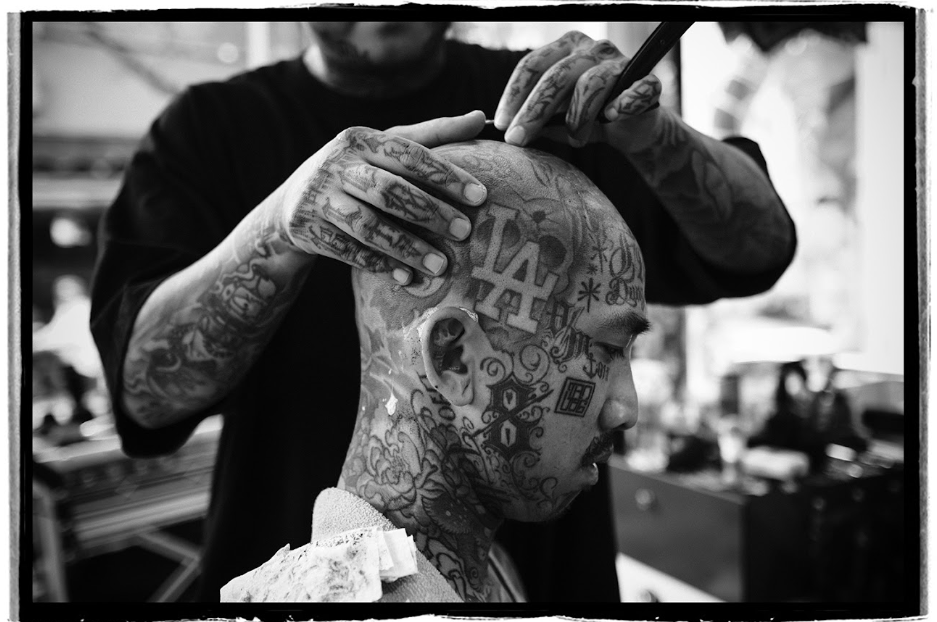
He got his start by photographing local skateboarders, and the spirit of authentically capturing subcultures still exists in his work today. But as he expanded the aperture of his work, his philosophy adapted. “Over time, photography became less about making pictures and more about listening, observing, and preserving moments that might otherwise disappear,” he notes. “It has become my way of connecting with the world.”
It is that connection with the world, with “underground cultures and everyday encounters on the street”, that inspires his work. While he lists the photographers Matt Black, Ricky Adam and Ed Templeton as influences, he’s quick to mention that he is “equally inspired by what is raw, punk, skateboarding, tattoo culture. I admire work that feels honest rather than polished.”
Honesty, in Brice’s work, is conveyed in part through his choice to shoot only in black and white. It “reflects the way I feel these stories should be experienced,” he tells me. “Raw, direct and stripped down to their essence.”
He continues: “Black and white removes distractions. Without colour, the viewer pays more attention to emotion, gesture, light and atmosphere. It creates a certain timelessness that allows an image to exist outside a specific era.”
In that sense, Brice’s use of the black and white form also serves a thematic function: it helps convey the consistency of humanity across space and time, how no matter where or when we live, we all possess the same desire, as Brice identifies, “for dignity, identity, and belonging.”
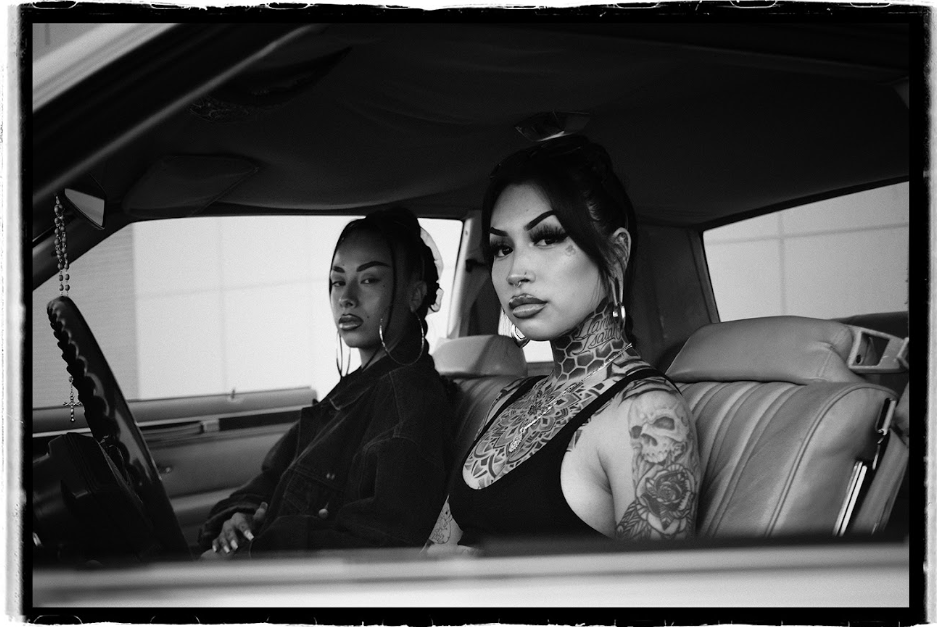
In the past two decades, Brice has made a name for himself as a skilled documenter of the often overlooked lives of urban communities. “I’ve always been drawn to people who exist outside the mainstream narrative,” he reflects. “These communities are often misunderstood or reduced to stereotypes, yet they’re filled with humanity, resilience, and creativity.” His task is to work with members of these communities to create a “visual archive” that presents their lived realities with honesty and authenticity.
To view Brice’s work in cities across the globe as an archive is to understand its social and artistic function. “For me, documentary photography is both testimony and memory,” Brice explains. “It records fragments of social history that might otherwise be forgotten while also encouraging viewers to question their assumptions.”
“Artistically, I believe photographs should make people feel something before they explain anything,” he continues. “If my photographs can create empathy or curiosity, then it has already achieved something meaningful.”
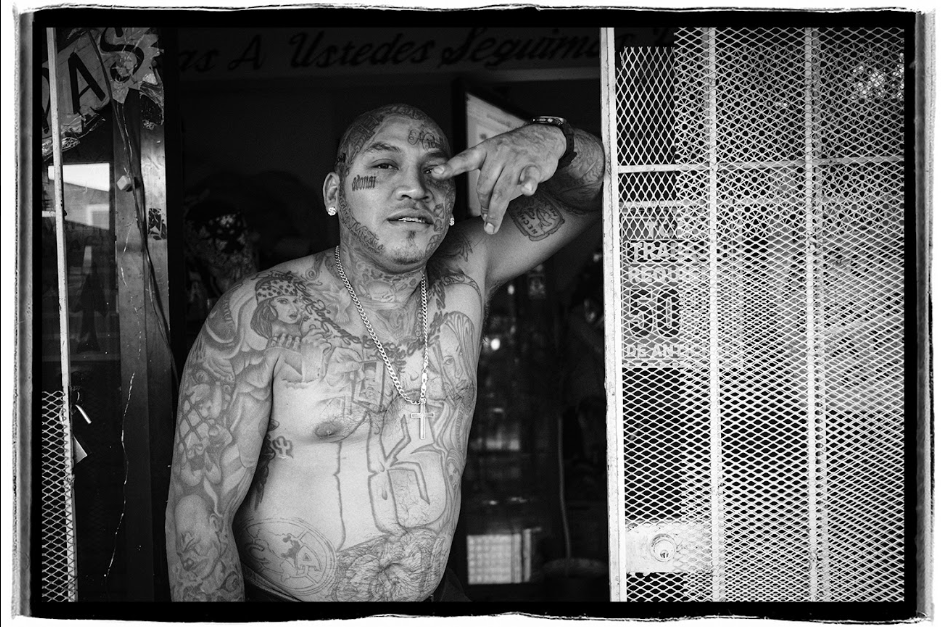
The most meaningful of his projects to date, then, from his perspective at the very least, is Straight Out the Hood, which he says has “fundamentally changed the way I see people and photography.” While he points out that “every city has taught me something different,” he notes that what has stayed with him the most is the universality of human connection.
Brice continues to work on Straight Out the Hood and expand it into new cities. Meanwhile, he is currently developing more photobooks through the publishing house at NSD51/50. “Alongside that, I’m working on several exhibition projects across Europe and continuing to publish limited-edition books that combine documentary photography with fine-art printing,” he tells me.
But no matter the project Brice is working on at a given time, the focus of the work is always the same: “creating long-term bodies of work that become lasting visual archives rather than simply producing individual photographs.” His work is timeless and built to last.
You can stay up to date with Brice’s work at his website, www.nsd5150.com, and his Instagram, @bricegelot.
All photos by Brice Gelot.
Written by: Mia Tobin Power
Edited by: Kirsten Baldwin
