Beyond the Runway: What Can Ireland Learn From The Portugal Fashion Experience 2026?
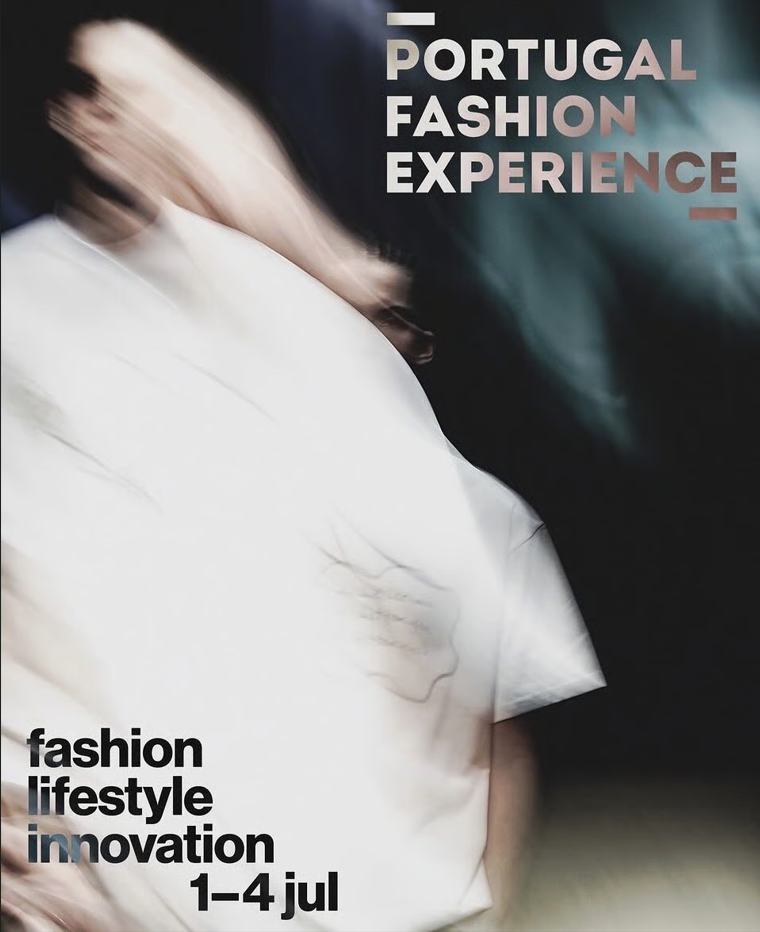
Beyond the Runway: What Can Ireland Learn From The Portugal Fashion Experience 2026?
For decades, fashion weeks have followed a familiar formula: runway shows, front rows, after parties, and a tightly packed schedule of collections designed to generate headlines. While these events remain an important platform for designers, they often leave a larger question unanswered:
What happens once the lights go down?
Portugal Fashion Experience 2026 suggests that perhaps we've been asking the wrong question altogether. Rather than following the traditional week format, the event reimagines what a fashion week can be. While fashion remains the starting point, it is not the final destination. Across four days in Porto, Matosinhos, and Ílhavo, runway presentations sit alongside industrial tours, factory visits, innovation summits, incubator programmes, startup pitches, and networking events, creating what organisers describe as a “vibrant contemporary and international ecosystem”.
So, why is this ecosystem crucial?
For years, Portugal has been recognised as one of Europe’s strongest manufacturing hubs. But Portugal Fashion Experience signals a shift in ambition. As event director Mónica Neto explains, the goal is no longer simply to be known as a country that produces fashion, but one that thinks about fashion, creates fashion, transforms fashion, and exports vision.
That distinction matters.
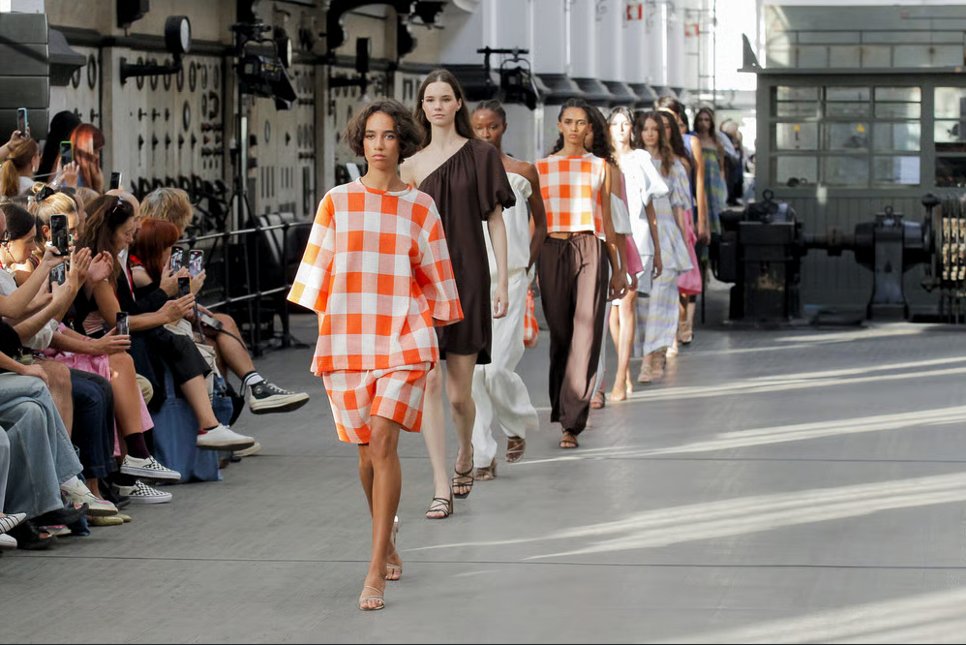
Fashion weeks have traditionally been built around visibility. Portugal fashion experience, however, is equally interested in connectivity. Designers, manufacturers, buyers, startups, educators, journalists, and industry leaders are all brought into the same conversation - creating a programme that extends far beyond the runway itself. Fashion becomes a meeting point between creativity, business, innovation, and culture, rather than existing as a series of isolated shows.
Even the event locations reflect this thinking.
Instead of treating Porto, Matosinhos, and Ílhavo as interchangeable venues, the programme uses each location to tell a different part of Portugal’s fashion history. Factory visits reinforce the country's manufacturing expertise. Heritage sites celebrate craftsmanship and regional identity. Innovation summits look towards the future of the industry. Fashion becomes a lens through which Portugal presents itself, not just as a fashion destination. Instead, a creative and industrial one.
It's an ambitious idea, and one that raises an interesting question for Ireland. We often think about fashion week as an opportunity to showcase designers. But what if it also became an opportunity to showcase the wider fashion industry?
Ireland has many of the ingredients.
Irish design schools continue to produce exciting new voices. Independent designers are building distinctive brands with growing international recognition. Alongside this sits a rich heritage of textile production, from Donegal tweed and Irish linen, to knitwear, weaving and contemporary craft practices, all remain central to Ireland’s creative identity.
Yet, these stories are rarely told together.
Imagine a fashion programme that moves between runway shows, textile mills, design schools, studios and manufacturing spaces. One where buyers and journalists experience the finished collection alongside the people, places, and processes behind them. Where conversations about sustainability take place within the businesses that put ideas into practice. Where emerging designers present work while meeting manufacturers, retailers, and industry partners belonging to the same programme.
The result would not be a bigger fashion week. It would be a broader picture of what Irish fashion actually is.
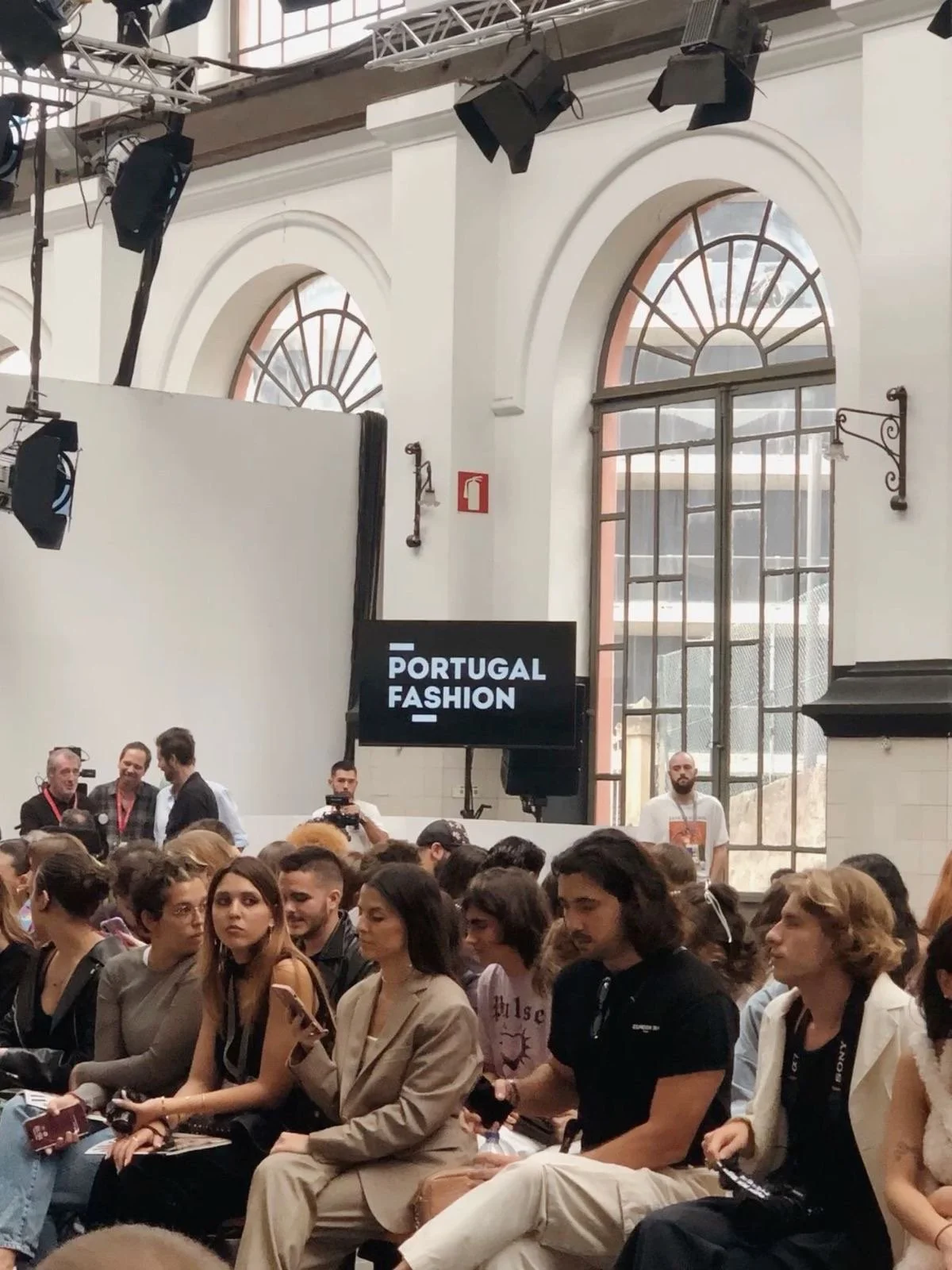
Portugal's fashion experience is a reminder that fashion has the ability to support far more than the fashion industry alone. It can strengthen tourism and celebrate regional identity. While also showcasing innovation and encouraging collaboration across sectors that rarely occupy the same space. Fashion is transformed into a powerful, cultural and economic platform, rather than only a cultural event.
For Ireland, that feels like the most valuable lesson.
The opportunity is not to replicate Portugal’s programme events. Ireland has its own creative landscape, heritage and strengths. The challenge is to think beyond the runway and ask how fashion can connect these strengths into a single, coherent story.
The future of fashion week isn't about producing bigger shows.
It’s about building bigger conversations.
Written By: Leah Carolyn Murphy
Edited By: Hazel Hunter.
