Content farm
I keep coming back to 'The Confessional’ as an artistic category; What it sounds like, feels like and why I'm so attracted to it. The first kernel came months ago, while reading Lena Dunham's Famesick. As a participant in the generational re-watching of Girls, I was drawn to the tell-all gossip the book promised. As I read the best-seller I wondered, was this confession or performance?
Perhaps it was both.
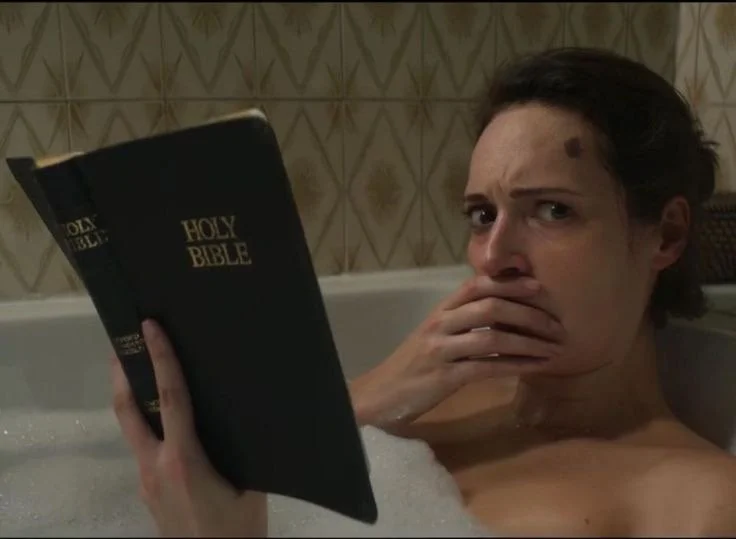
The landscape today knits radical honesty and calculated performance together. In an age of the un-real, the audience is hungrier than ever for the appearance of confession. We binge on multi-part apology videos and reality TV’s so-called 'realness'. TikTok confessions and celebrity tell-alls. And if you confess just right, you're promised a yellow brick road paved of brand deals and fame. Although perhaps all confession is performance, the audience just evolved.
Rousseau's Confessions (perhaps the first record of confession) were written to be read. He wrote to be understood, to seek redemption. He confessed in order to be liked. He openly admits the contradiction of inevitable “embellishments” in his collection of candor. Even in coming clean, we can't wash off the muddy waters of performance and deception.
The incentive to confess has always been there, with diverse marketing campaigns. There was the church, who promised confession would free us from our sins. Freud, promising it was the cure-all for collective neuroses. The law, promising it was the path to righteousness. And then there were the artists. They confessed because they had no choice. Because their life force depended upon the unveiling of their souls (or something romantic like that). They are where my fixation mostly lies. The power of 'The Confessional’ threatens constructs of validation, dignity and approval for the sake of revelation. That, I believe, is something quite special.
Bless me Father
I first encountered confession in primary school. It was a compulsory activity in seeking absolution for the crime of being born. I'll take you back there to revisit.
In an Irish village like mine, you are honoured with the occasional visit from the parish priest for the privilege of confession. Called out of class, you join an orderly line. Confession is in the same hall as Thursday choir practice. Right now, you're learning a song from Wicked and you like it. Confession afternoon is a welcomed classroom break and you and your best friend chatter in shushed excitement. At some point, you realise you’re up next. Your mouth is instantly dry and your armpits a panicky kind of damp (It's a similar feeling you get before your piano lesson). Rehearsing suitable confessions over in your mind calms the nerves. Most people use the same material; they don't help their mother with the dishwasher or they don’t do their work, some version of the same. You rush to your seat and both stories end up coming out in one breath. There’s a man across from you sporting an uninspired outfit. You don’t like his clunky shoes and frantic red face. He prescribes you five hail maries and to empty the dishwasher when asked. You know you got off easy. The so-called confession was true, you are a lazy helper and a chronic daydreamer. Still, you know it doesn't scratch the surface.
So, confession is not the presence of truth alone. Rather, it is truth with implicit risk, and an implication of guilt. A characteristic catching in the throat, the calling card of shame. Admitting I didn't revel in the joy of the dishwasher wasn't really it.
My Bed
Take the thirty five year old (suicidal at the time), Tracy Emin of 1998. She did it right. She confessed her truth, her shame and guilt, and changed the trajectory of her life. Her confession exposed the rest place of her depression, her bed. Her hiding place became a conceptual art piece, for an audience of the world. Displayed for public adjudication it revealed a stained gallery of used condoms, dirty underwear and cigarette butts (naming a few). Emin was “disgusted and repulsed” by all it unveiled of her drunken depression. Stepping back from the mess, she realised she had created a profound portrait of her current existence. That it was art, and that she had to share it. Her persistence through pervasive shame defined the act as undeniable confession. Emin didnt seek repentance or forgiveness with the piece. The confession seems like something closer to relief. Her bed doesn't ask to be understood. The door of her mind is swung open, and an array of melancholic isolation spills out. She surrenders the expected social performance of the normative ideal, the endless pursuit of perceived perfection. She is wholly imperfect. And so, she is liberated. Now that is a confession.
My Bed attracted the masses. Hoards of people wanted a gawk at it. And they had a lot to say. Her confession was disgusting, wonderful, and a mockery. Some recognised the bed as something they knew. It was an underbelly we weren't supposed to talk about. The unapologizing ugliness excited and enraged. Emin reckons “they hated to be exposed”, as though the bed was a shadow self we collectively had buried. She had the nerve to claw it up. Twenty eight years later, it remains unapologetically the same. Resting soundly in The Tate, we still can't look away.
The Hannah Horvath of it all
Dunham and her work has a similar quality (with a heavy hand of validation seeking too). From breakout indie Tiny Furniture to the infamous Girls, Dunham’s characteristic contradictions have remained remarkably consistent; self-exposure and self-mythology, vulnerability and vanity, confession and performance. You could say she embodies the tensions marking a true confessional artist (although, I'm sure the army of Dunham haters might disagree).
Dunham's work typically exists somewhere between a place of fiction and autofiction/autobiography. Hannah Horvath (the girl in the story) and Lena Dunham (the girl in real life) were one and the same to judgemental eyes of the 2010s. The enmeshment continues to offer Dunham no protection in the vulnerability of confessional work. Audiences expect crime and punishment, confession and penance. Dunham disappoints, offering no atonement. The world therefore punished her instead.
Good old misogyny held a big part in why we all hated Lena Dunham. She was privileged, unconventionally attractive and vulgar. Her nature was problematic and controversial. And to top it off, she was a woman. It's unsurprising that this was enough to certify her as a moral pariah in the 2010s. The confounding variable in all of this was her work. It exposed an unflattering reflection, and then asked the world to tune in to HBO each week for more. It confessed the struggles of early adulthood, the neediness, and the embarrassing narcissism we pretend we couldn't possibly relate to. From Marnie's earnest homage to her cultural heritage as a ‘white Christian woman’, to Hannah's countless adventures of sexual degradation, cringe is an understatement. Audiences loved and hated how much they saw of themselves in its unlikeability. And they blamed Lena Dunham for it. How dare she force us to face what we try so hard to hide? As a young woman fourteen years on, I get it, but I love it.
The Voyeur
I'm not sure I understand confession fully, or my enduring fascination with it. Why we crave it and resent it in the same breath. I've wondered if we're addicted to the voyeurism of it all. Stirred by the contagious liberation of the naked truth. Are we seeking absolution, somehow by proxy? Perhaps we love the power of adjudication, standing in as God on Judgement Day. I have my theories, but they are only theories. And I am a product of my culture. I love audience relatability and tender love-island moments as much as the next person. My Bed feels so incredibly important, and I don't have the vocabulary to explain why. Hannah Horvath's narrative of narcissism painfully resembles the mid-twenties crashout I hate to know. There is much more to understand.
Its addictive quality and parasocial intimacy are just the surface.
That said, I feel certain of three truths of confession:
1) The listening ear will morph according to incentive. That ear could be anyone; God, the public, the algorithm are the most prevalent.
2) Confession will always remain.
3) We will keep listening with baited breath at its door, whether we want to or not.
Written By: Ava Cuffe-Kelly, @cuffekellyarchive
Edited By: Hazel Hunter, @hazelhunterrx
