Russian-born, Bergamo-based visual artist Lera Bo is at the forefront of a wave of artists embracing new technologies in their work. Describing herself as an “AI artist”, her art is “mostly focused on AI-generated visuals, photography and digital storytelling. It usually revolves around atmosphere, emotions, memory, surrealism and visual tension. I’m interested in creating visuals that feel both intimate and slightly unreal or unsettling.”
These days, Lera’s focus is mostly on video art. And it’s no wonder why, considering she is “an extremely visual person”. “I think I naturally perceive life through watching,” she tells us.
And you can tell, watching her art, that she puts a lot of thought into every single frame and image. “A lot of my work starts from personal observations, emotional states or fragments of everyday life, which then evolve into larger visual worlds through technology, editing and experimentation,” she notes.
Starfish Magazine was delighted to talk with Lera about her art, her process, and what the title of “AI artist” means to her.
What appeals to you about video art?
I think video art allows emotions and atmosphere to become much more immersive. I’m very drawn to the emotional and psychological side of it. I like that a video can feel dreamlike, intimate or even uncomfortable without needing a very direct narrative.
Since I’m a very visual person, I find this medium incredibly powerful to experience. Even if you take a static image or photograph and turn it into a video with only the smallest movements, almost still, it already creates a completely different effect. It suddenly feels more alive, as if you’re actually inside the moment or atmosphere itself.
Are there any themes or ideas that you’re particularly interested in exploring in your art?
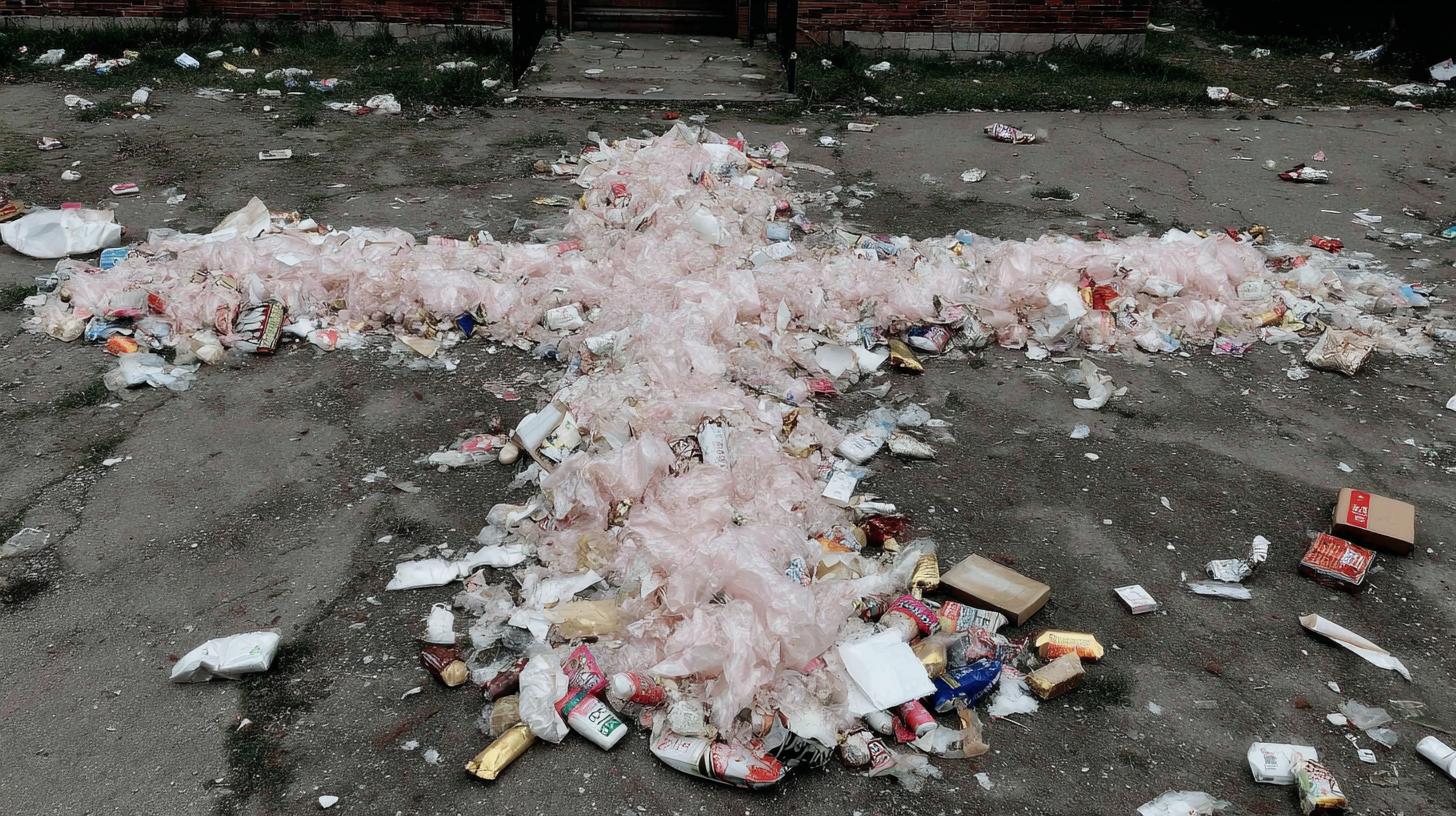
Lately, a lot of my work has been revolving around memories of life in the post-Soviet space, as well as strange surreal and emotionally unsettling moments. I’m very drawn to the tension between nostalgia, discomfort and beauty.
I think a lot of this comes from the way I experience the world internally. I tend to experience life in a very emotionally intense way, and my mind is constantly full of thoughts, images and different emotional states. My work often becomes a way of translating those inner feelings into visual form and I think that’s probably very visible in my work.
I like creating images that feel psychologically charged, familiar but slightly distorted, quiet but unsettling at the same time.
You describe yourself as an “AI artist”. What does that title mean, in your eyes?
Being an AI artist doesn’t mean that the machine creates instead of me. I see AI more as a tool, medium and extension of imagination. The emotional direction, atmosphere, ideas and visual language still come from the artist.
I think people often misunderstand AI art because they only focus on the technology itself, but for me the most important part is still human perception, taste, emotions and vision. AI simply allows me to translate certain feelings or mental images into visuals in a much more fluid and experimental way.
I recently thought about it in comparison to film directing. A film director doesn’t personally do the makeup, act in the scenes or operate every part of the production, but they still guide the vision, atmosphere and final result. In a similar way I see AI as something closer to a creative team or production tool that helps me bring ideas to life, while the artistic direction still comes from me.
I also like that AI art exists in this strange space between control and unpredictability. Sometimes the most interesting results come from accidents, distortions or unexpected details, and I think that uncertainty is part of what makes the process feel alive to me.
What does your artistic process entail?
My artistic process is usually very intuitive and emotionally driven when it comes to my personal work. Most ideas start from a feeling, an atmosphere, a memory, a visual fragment or sometimes just a strange image that suddenly appears in my head.
From there, I start experimenting. I work a lot through trial and error, building visuals layer by layer through AI tools, editing, sound, pacing and composition. Sometimes the final result ends up very different from the original idea, and I actually like allowing space for unpredictability during the process.
I also spend a lot of time observing everyday life, collecting images mentally and noticing small details, emotions or moments that later reappear in my work in different forms. I think my process is less about following strict structure and more about translating internal states into visual experiences.
When I work with clients, however the process becomes much more structured. I usually start by developing a concept, creating moodboards and building a storyboard with all the planned shots and scenes. After discussing and approving the visual direction with the client, I move into the production and editing stage of the video.
Is there a work of art (be it visual art, film, literature, etc) that has left a lasting impact on you to this day?
I think Russian classical literature has probably had one of the biggest impacts on me overall, especially its melancholy, emotional depth and psychological intensity. It shaped not only my artistic perception, but also my personality and the way I experience emotions and atmosphere.
I’m also very drawn to avant-garde art and experimental visual language in general. I’ve always been fascinated by surrealism, distortion, emotional tension and images that feel psychologically charged or slightly uncanny.
Do you have any upcoming projects that you can tell us about?
Right now I’m focused on developing my Instagram page through my own video projects and continuing to experiment with different visual ideas and atmospheres
I’m also working on commercial projects with musicians and brands, creating visuals and video content for them. Some full music videos are about to be released as well.
In the future I’d really love to collaborate with bigger artists and musicians and work on larger-scale creative projects.
You can keep up with Lera at her Instagram, @leravolgare.
Written by: Mia Tobin Power
Edited by: Jules Nati
