The National Gallery of Ireland’s newest showcase offers an unparalleled glimpse into Europe's greatest masterpieces. Rembrandt to Matisse: A Celebration of European Works on Paper brings together 57 remarkable works from the vault, taking both art lovers and the art-curious on a vibrant journey through 500 years of creativity. Funded as part of the cultural programme for Ireland's Presidency of the Council of the European Union 2026, it is a rare, intimate chance to witness the evolution of European art all in one room.
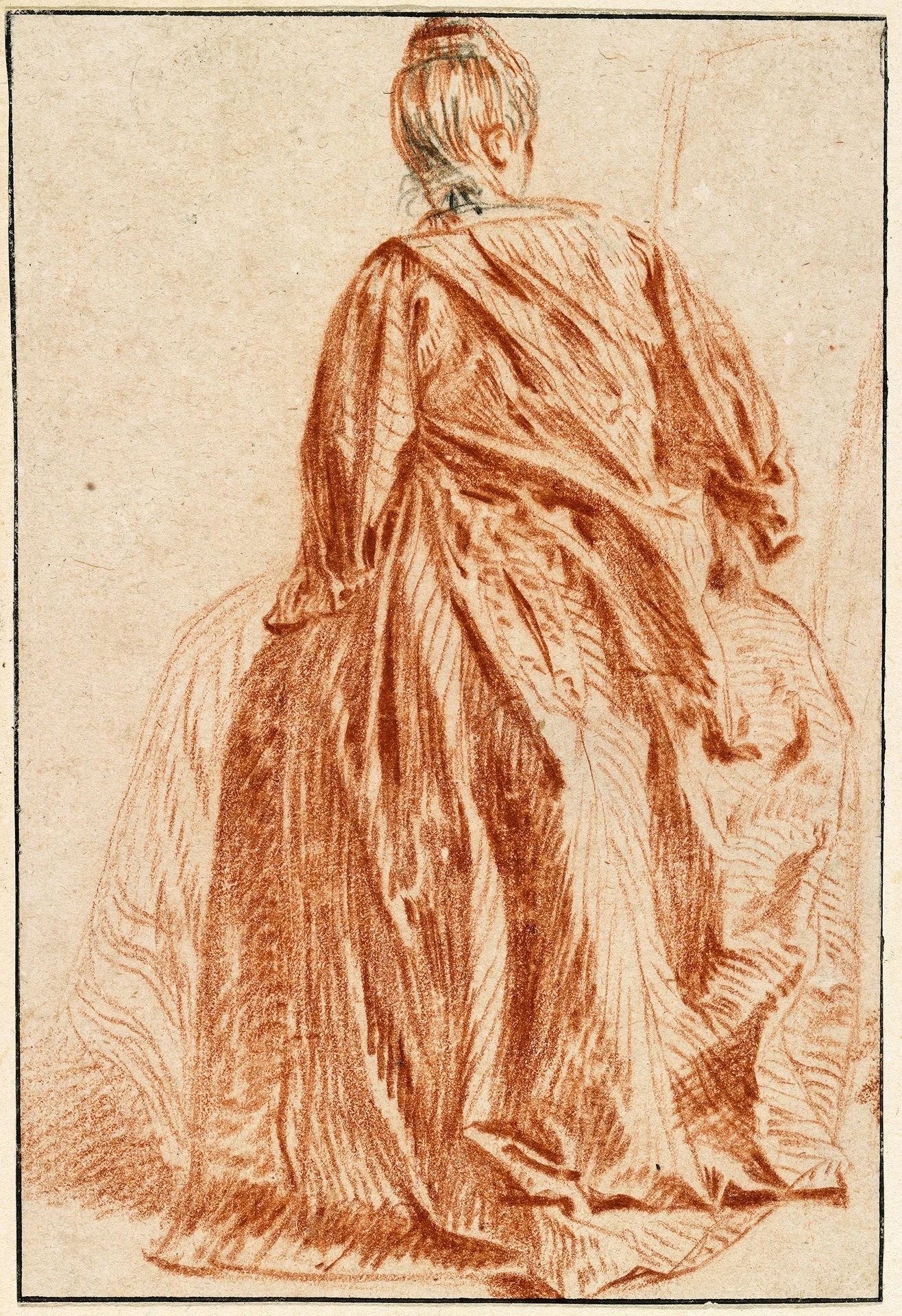
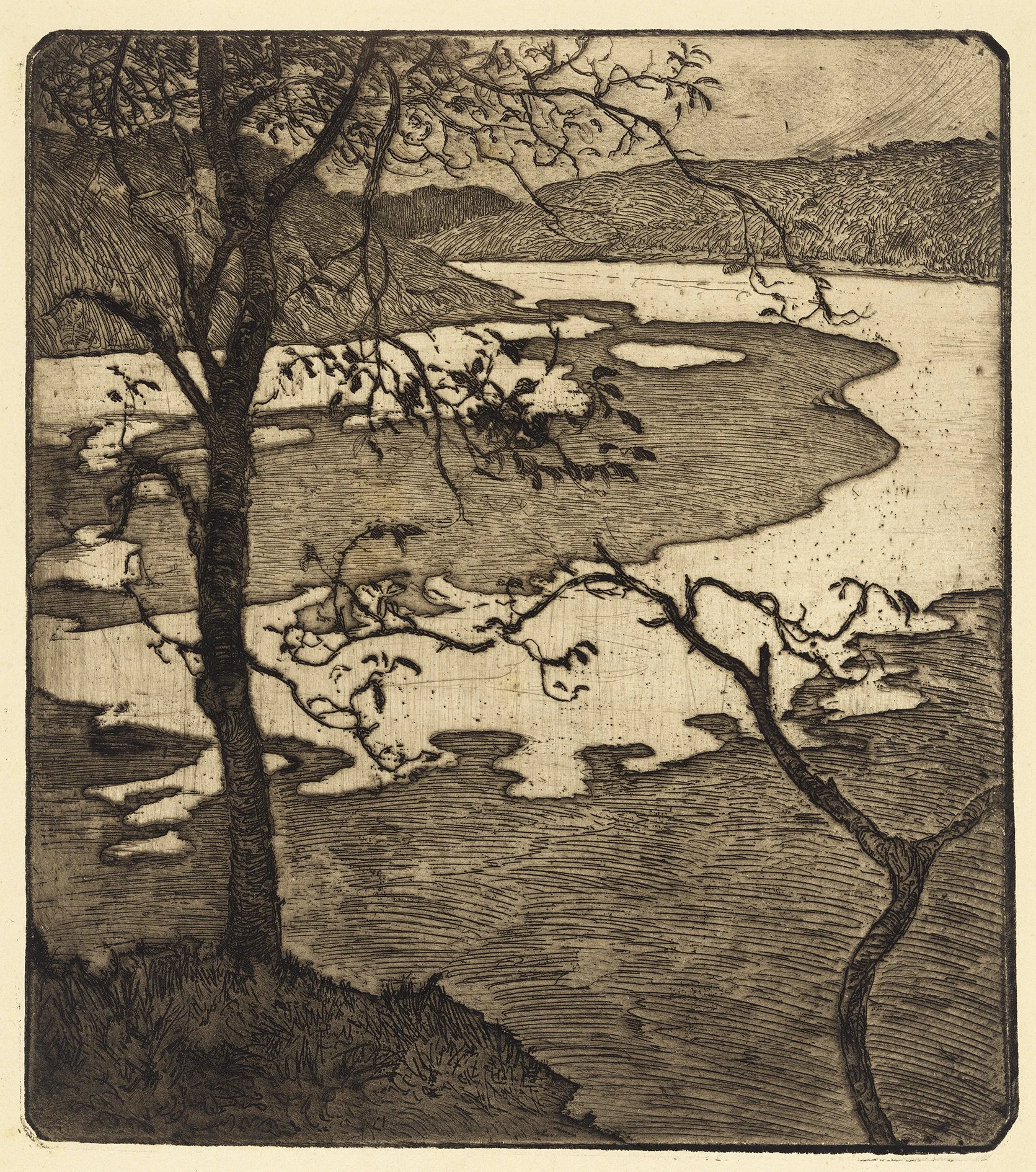
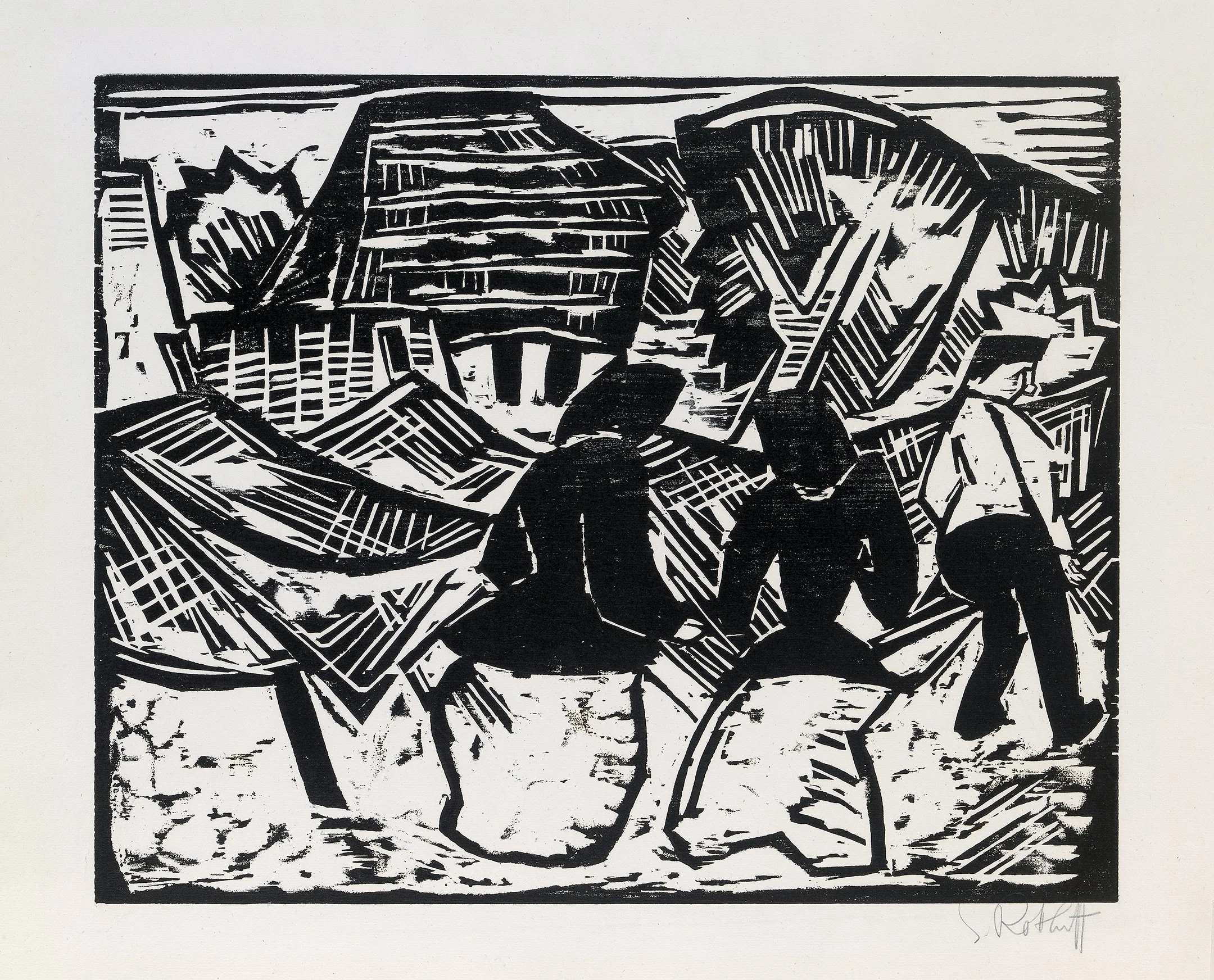
The exhibition runs until 6 December 2026 and is free to visit. In this new exhibition, the National Gallery of Ireland celebrates works on paper that reveal the creative process behind them. Visitors can see delicate silverpoint drawings, chalk studies, etchings, lithographs, pastels and photographs that demonstrate the wide variety of techniques artists have used over the centuries.
Curator Niamh MacNally describes the exhibition as a celebration of Europe's "melting pot" of tastes, traditions and artistic ideas that points to the wider cultural connections across the continent.
The exhibition’s historical exploration starts in the Italian Renaissance, where drawing formed the foundation of artistic practice. One of the highlights is Raphael's A Standing Philosopher and Hand Detail from 1509, which served as a preparatory study for The School of Athens. Lorenzo di Credi's A Female Head from the 1480s demonstrates the extraordinary precision of silverpoint drawing. Visitors can also admire works by Andrea Mantegna, Parmigianino, Giovanni Battista Naldini, Gaudenzio Ferrari, Fra Bartolommeo and Francesco Primaticcio.
For those who love a mystery, Saint Catherine of Alexandria is a must-see. This 1513 drawing from Nuremberg remains an intriguing art historical puzzle, as experts have been unable to determine whether it was created by Albrecht Dürer or Hans von Kulmbach, artists who were both working in the city at the time.
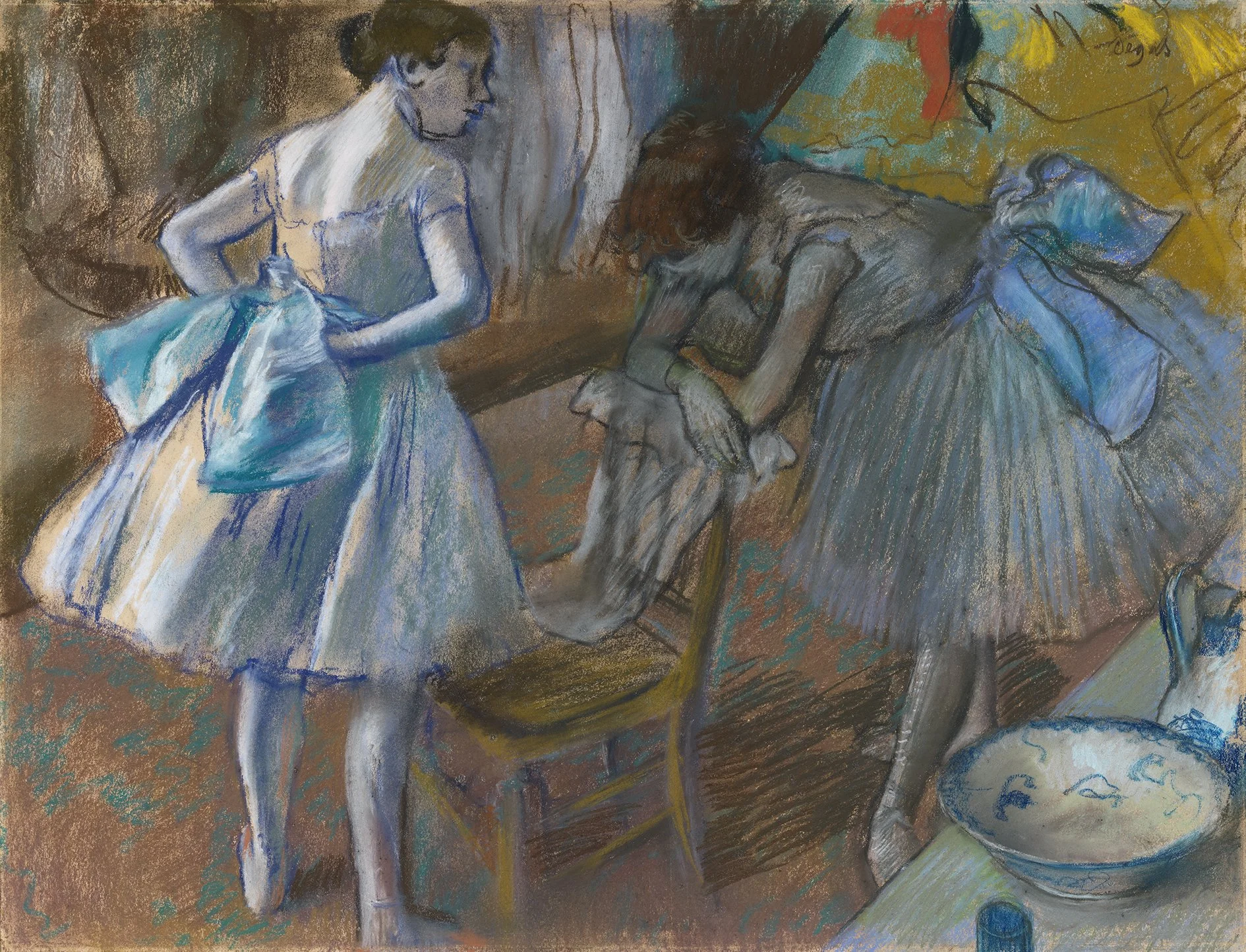
Additionally, the exhibition explores the Baroque period with expressive religious drawings by Ludovico Carracci. It then introduces elegant portraiture from the eighteenth century. Rosalba Carriera's pastel portraits demonstrate her mastery of colour and texture, while Christian Friedrich Zincke's miniature portraits showcase his meticulous technique. Visitors will also encounter Dante Gabriel Rossetti's study of Jane Burden as Queen Guinevere, which reflects the romantic ideals of the Pre-Raphaelite movement.
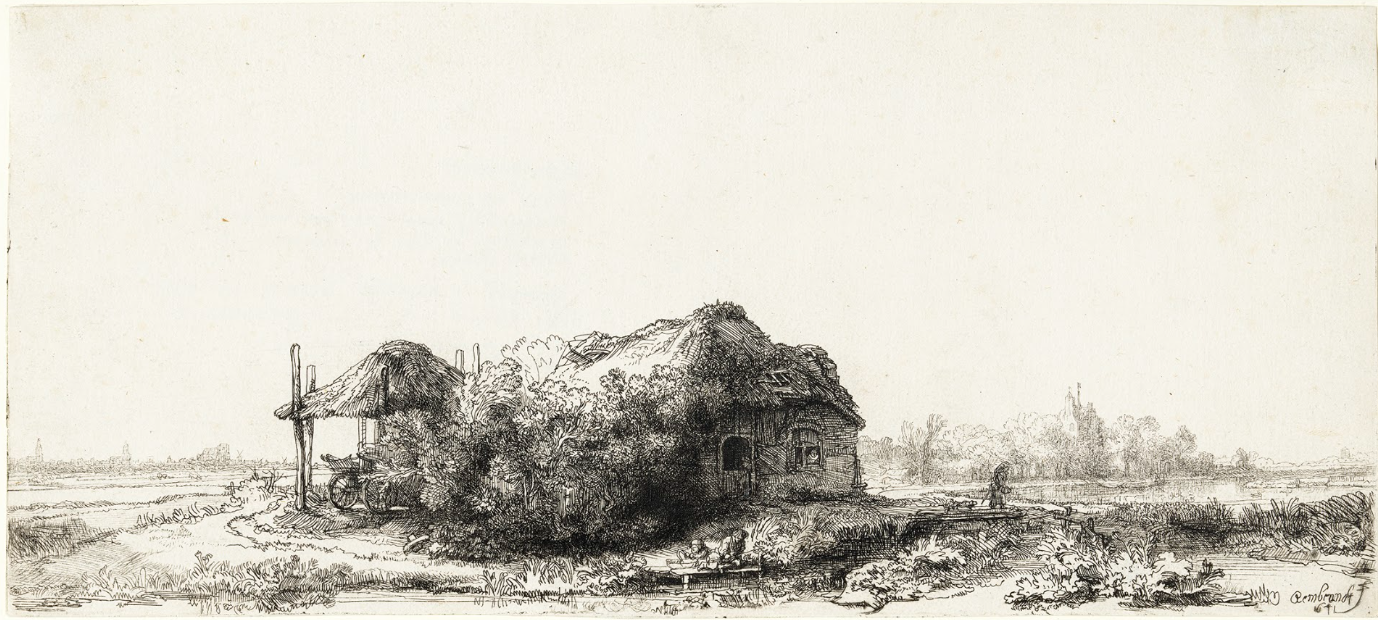
Landscape painting and drawing form another important section of the exhibition. Armand Séguin captures the scenery of Brittany, while Paul Cézanne presents his famous view of Montagne Sainte-Victoire. Jan Both's mountain landscape reflects the influence of Italy on Dutch artists, and Rembrandt lovers will enjoy his detailed etching of his piece Landscape with Cottages and a Hay Barn (1641).
Irish artists play a central role throughout the exhibition, with the collection emphasising how they travelled to mainland Europe for inspiration and how Ireland inspired artists from other countries. Mary Swanzy demonstrates the influence of French Fauvism in her colourful landscape sketch. Roderic O'Conor brings French Post-Impressionism to The Cliff. Sean Scully represents contemporary photography through his striking image of the Aran Islands, where the ancient dry-stone walls echo the abstract stripes that have become synonymous with his work.
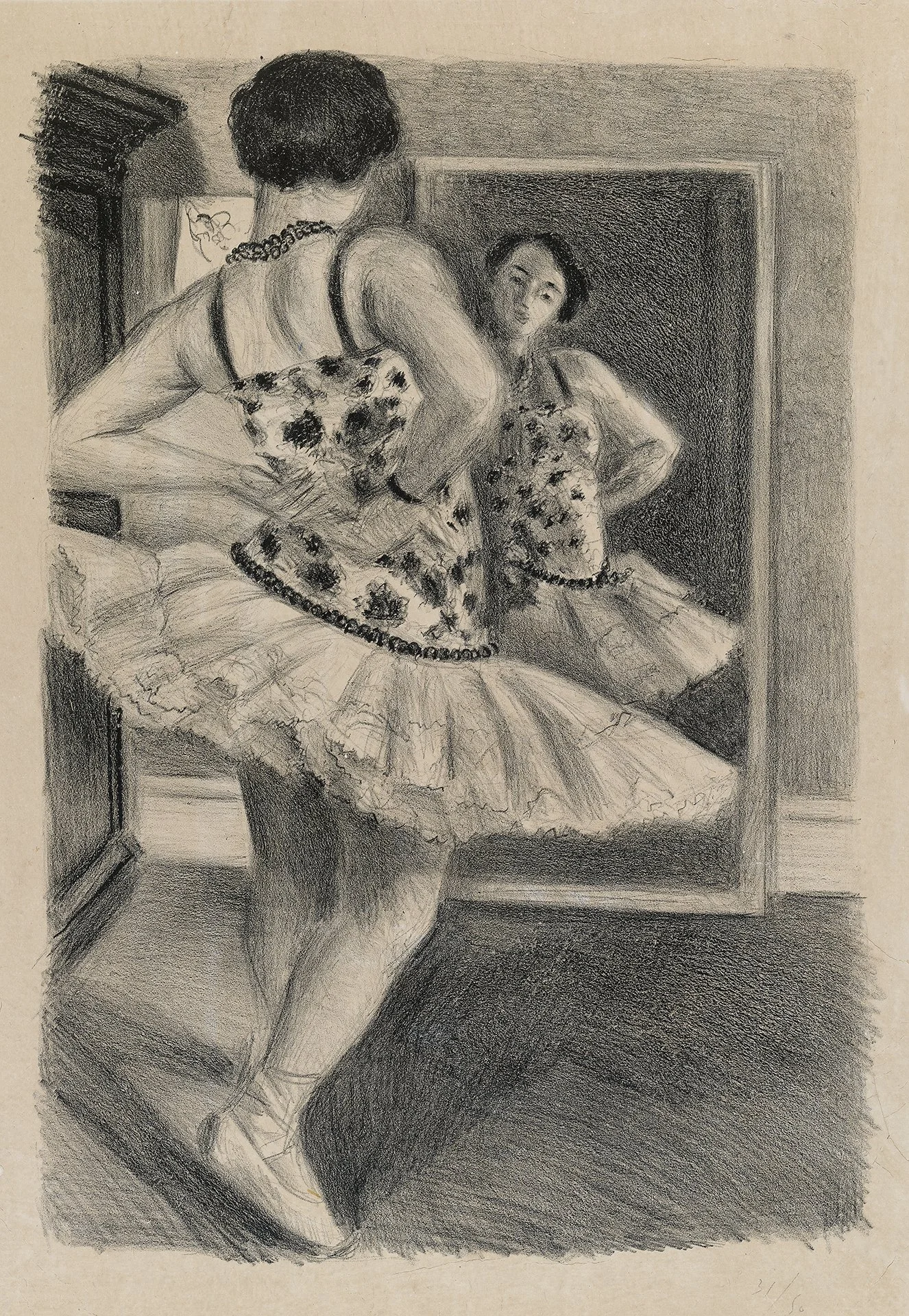
With works from some of Europe’s most influential artists, and unexpected discoveries waiting around every corner, this is an exhibition that rewards both lifelong art lovers and first-time visitors.
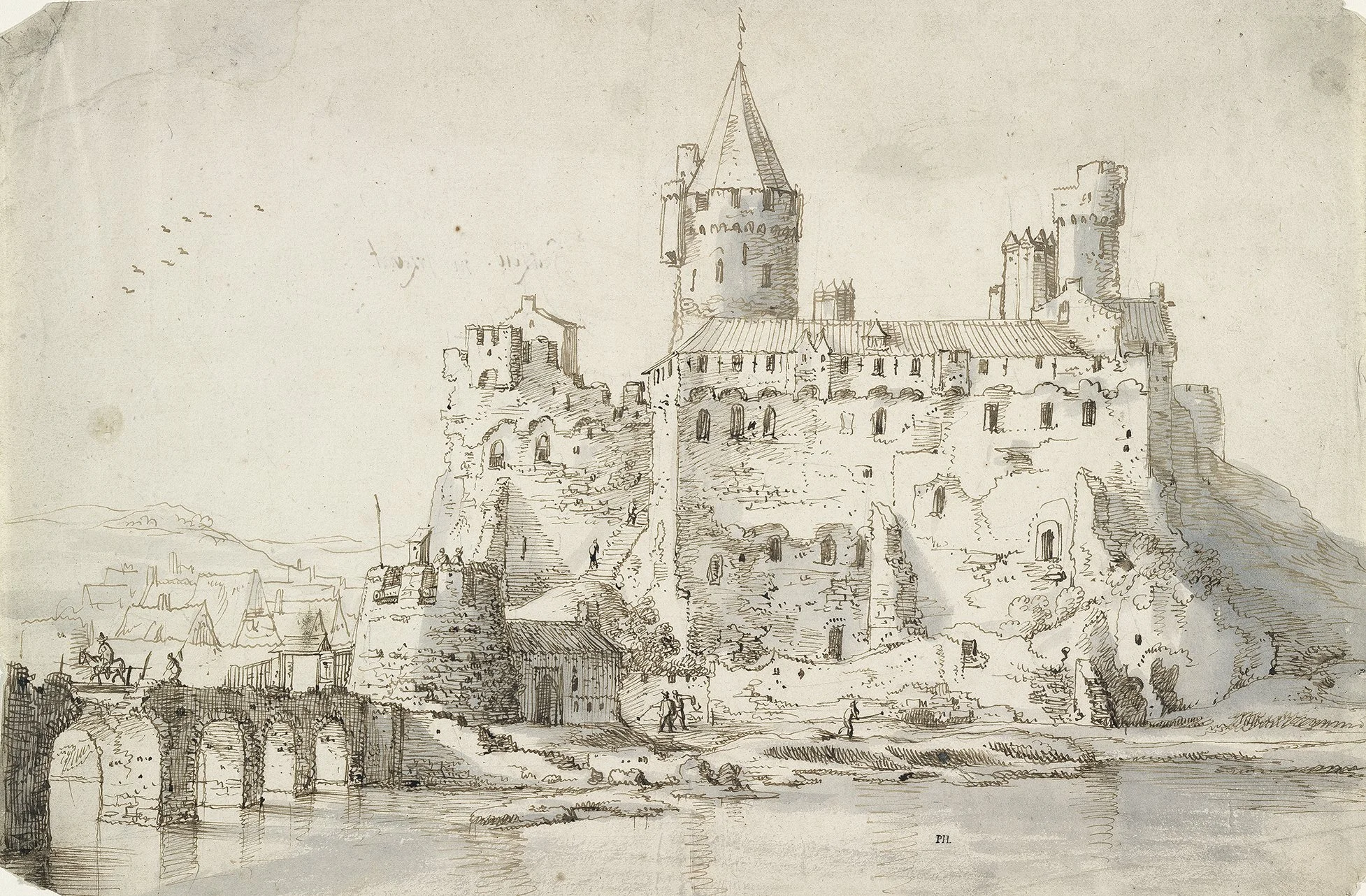
A must-see addition to Dublin’s cultural calendar, “Rembrandt to Matisse” offers a unique opportunity to experience the thoughts and techniques behind some of history’s most iconic artists. Find out more and plan your visit on the National Gallery of Ireland’s website: https://www.nationalgallery.ie/art-and-artists/exhibitions/Rembrandt-Matisse-celebration-european-works-paper
Written By: Shaunamay Martin Bohan
Edited By: Rose Curnyn
