Everyone Is Beautiful, But Nobody Is Sexy
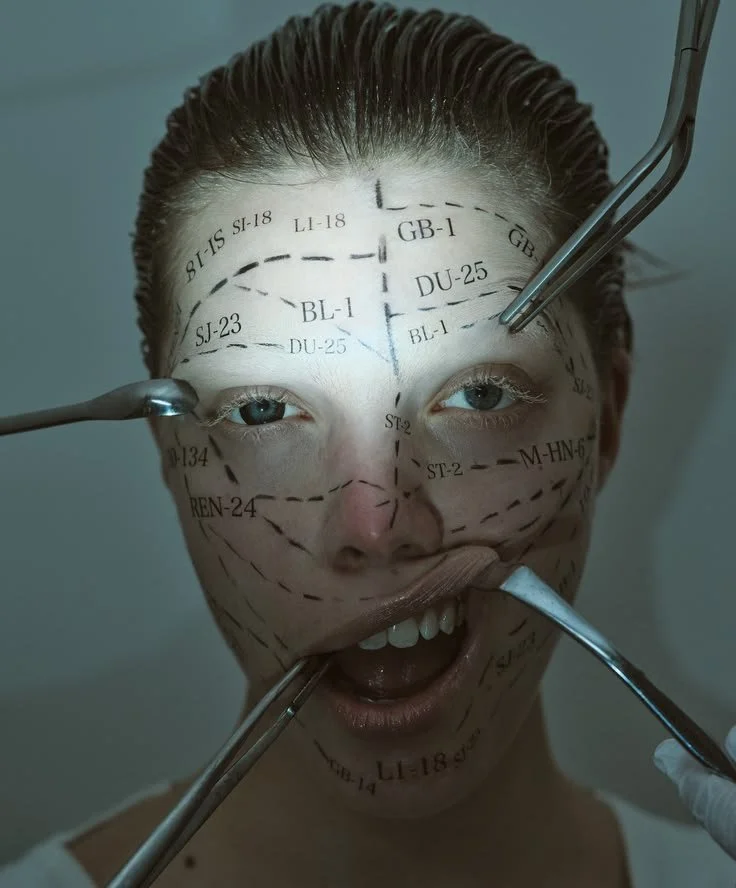
There was a time when beautiful faces were instantly recognisable.
You could spot Kate Moss from across a room. David Bowie’s mismatched eyes became part of his mythology. Amy Winehouse’s eyeliner was unmistakable. Grace Jones built an entire career around refusing to look like anybody else. Their appeal wasn’t rooted in symmetry or perfection, but in something much more complex.
Today, beauty has arguably never been more attainable.
Botox appointments have become as routine as haircuts. Lip filler, veneers, ozempic, laser treatments and skin boosters have transformed cosmetic procedures from celebrity luxuries into everyday maintenance. TikTok serves endless videos explaining how to contour your nose, style your hair or recreate the same makeup look of millions of other people. Beauty has become something that can be learned, purchased and optimised.
In many ways, that’s a remarkable thing. Looking after you appearance has become more accessible than ever, and people have more autonomy over how they present themselves than previous generations could have imagined.
Yet alongside that shift, another one has emerged.
More people are beautiful, fewer people are recognisable.
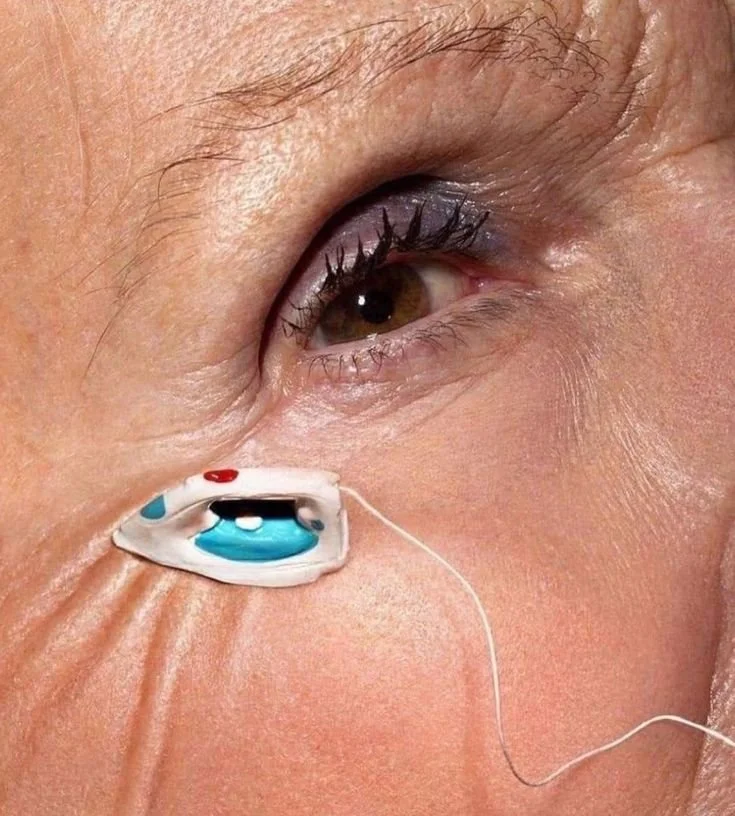
This isn’t an argument against cosmetic procedures, or a nostalgic plea for ‘natural beauty.’ It’s an observation about what happens when everyone begins working towards the same ideal. The internet has democratised beauty, but it has also standardised it. Faces, hairstyles, fashion and even expressions increasingly begin to resemble one another. Individuality hasn't disappeared, but it has become harder to spot.
Perhaps that’s why ‘beautiful’ and ‘sexy’ no longer feel like the same thing; being sexy has never been about perfection.
In 2019, The New Yorker writer, Jia Tolentino coined the term ‘Instagram face’ to describe a look that somehow belonged to everyone and no one at the same time. It was assembled from countless different women into a single ideal; high cheekbones, almond-shaped eyes, full lips, impossibly smooth skin and a sculpted jawline. It wasn't one person's face. It was an algorithmic average of what the internet had collectively decided was beautiful.
Six years later, that face has become even more ubiquitous. Beauty trends no longer arrive every season, they arrive every week. One month it's ‘clean girl’, the next it's ‘mob wife’, 'office siren’ or ‘soft glam’. Hairstyles, makeup techniques and even cosmetic procedures spread globally within hours, creating beauty standards that are less regional than ever before. Whether someone lives in Dublin, Los Angeles or Seoul, they're often drawing from the same references.
The irony is that beauty has become more democratic at the exact moment it has become uniform.
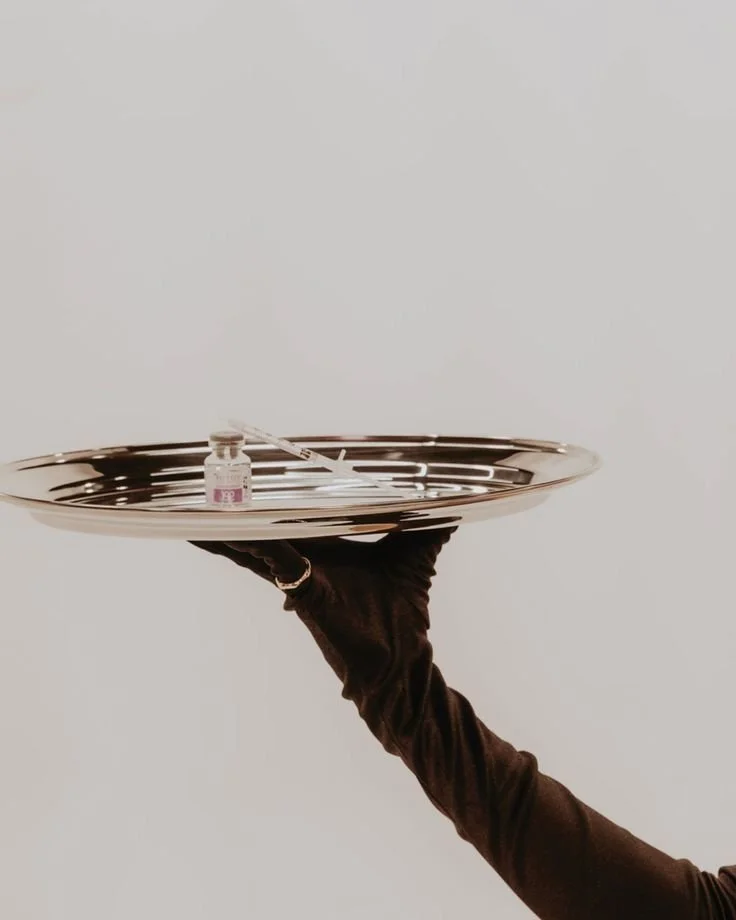
That isn't necessarily anyone's fault. Social media rewards familiarity. We are more likely to click on faces that resemble ones we've already seen, and creators naturally recreate the aesthetics that perform well. Cosmetic clinics advertise the same treatments because those are the ones people ask for. Influencers recommend the same products because the algorithm rewards repetition. Everyone is responding rationally to the same incentives.
But attraction has always relied on something much harder to replicate.
The people we remember rarely look interchangeable. Think of Mick Jagger's lips, Anya Taylor-Joy's wide-set eyes or Chloë Sevigny's refusal to conform to conventional Hollywood glamour. Their appeal isn't found in mathematical symmetry or perfect proportions. It's in the qualities that make them instantly recognisable.
Fashion has always understood this better than beauty culture. Some of the industry's most memorable models have not been chosen because they looked like everyone else. Kate Moss transformed fashion not through conventional perfection, but through a face that disrupted it. Grace Jones built an entire career around refusing to soften her features to fit mainstream expectations. Even today, the campaigns people remember are rarely fronted by faces that feel anonymous.
Maybe that's because ‘sexy’ has never really been a visual category. It has always been a presence.
It is confidence without performance.
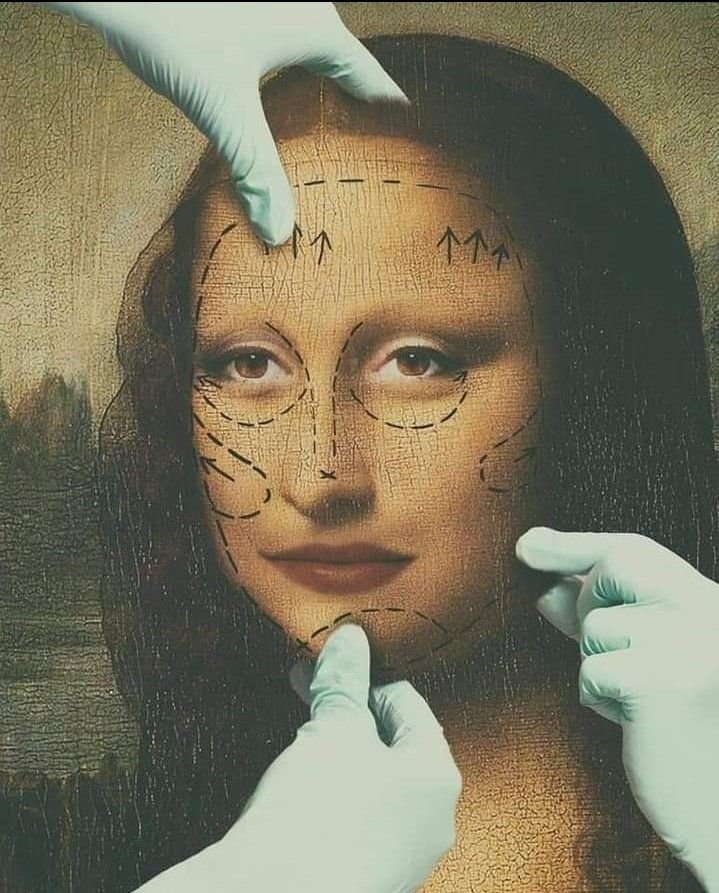
The way someone laughs. A distinctive voice. An unusual smile. The way they dress, move or occupy a room. These qualities resist optimisation because they cannot be purchased or copied. They emerge from personality not procedure.
None of this is to suggest that cosmetic treatments erase individuality, nor that people should reject them in pursuit of authenticity. Choosing Botox or filler is no more morally significant than colouring your hair or wearing makeup. The issue isn't the treatments themselves, it is the narrowing of beauty ideals they are often used to achieve.
When everyone is encouraged to have the same nose, the same lips, the same jawline and the same makeup, beauty becomes increasingly standardised. It begins to function less as self-expression and more as visual conformity.
Perhaps that's why so many people feel nostalgic for faces that would once have been considered unconventional. Not because they were objectively more beautiful, but because they carried a sense of identity. They looked unmistakably like themselves.
Beauty has become easier to achieve than ever before. Becoming recognisable may be the harder task.
Written by: Holly Warren
Edited by: Hazel Hunter
