Made Slowly, Consumed Quickly: Is TikTok Brain Making Creativity Disposable?
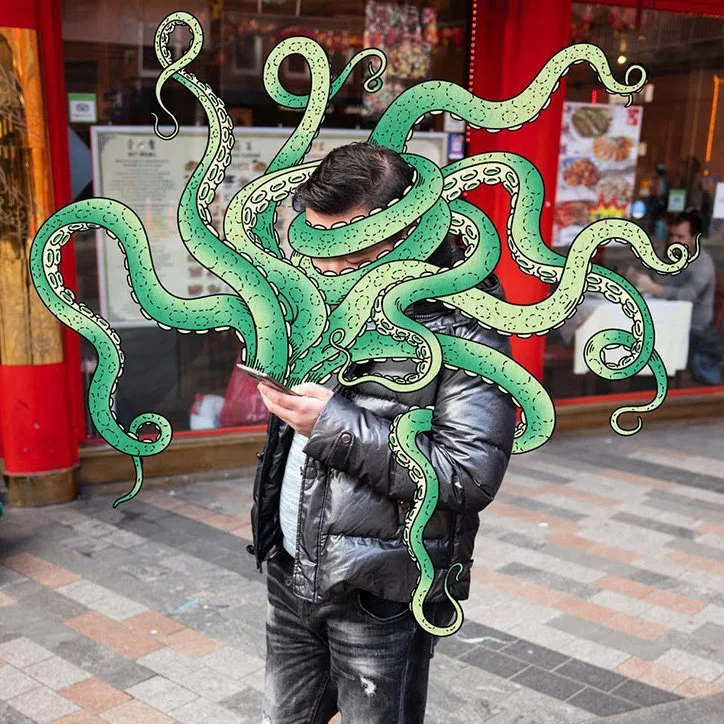
Open almost any social media platform today and the experience is remarkably similar; swipe, watch, swipe, watch, repeat. A video lasting 20 seconds is followed by another video lasting 15 seconds, then another lasting 30. There is rarely a need to search for something to watch, the next piece of content is already waiting. Platforms like TikTok and Instagram have transformed social media from something audiences actively browse into something that feels as though it is watching them back, as it predicts what will keep them scrolling.
Short-form video has become one of the most dominant forms of online content because it is convenient, entertaining and highly personalised. However, its popularity has raised a wider question about the way audiences consume information:
Are short-form videos simply giving people the content they want, or are they changing our ability to pay attention to anything that demands more time?
One of the main reasons short videos are so successful is its ability to deliver immediate gratification. A viewer does not have to commit to a ten-minute video, a television episode or a long article. Instead, they can receive entertainment, information or humour within seconds. If a video is not interesting, it can simply be skipped.
There is almost no cost to moving on.
The result is a form of consumption built around continuous stimulation. Rather than choosing one piece of content and giving it our full attention, we can move between hundreds of videos in a single session.
This is where concerns about attention spans begin. But perhaps shorter attention spans is the wrong diagnosis.
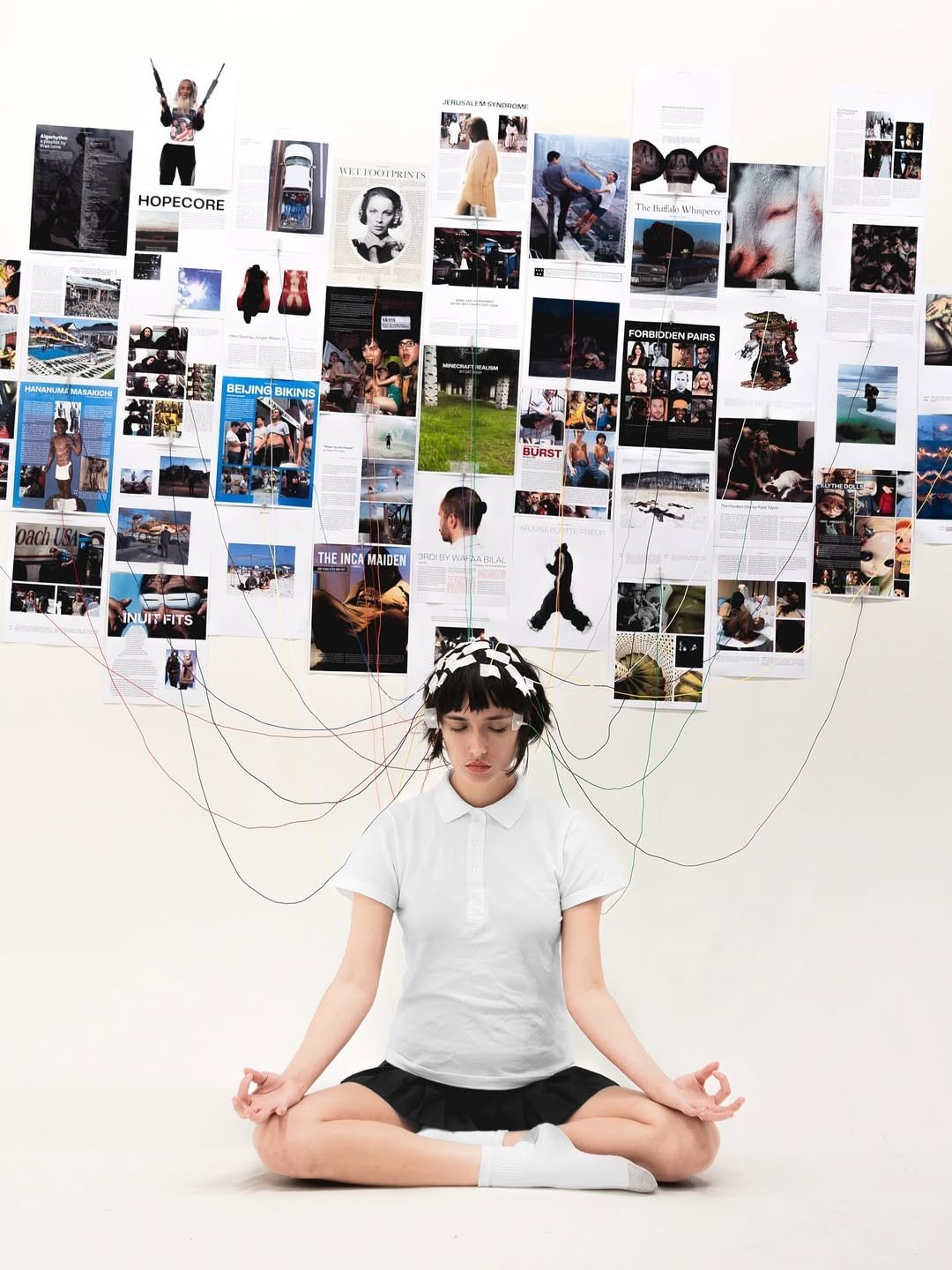
After all, you could argue that people who spend an hour scrolling through TikTok are demonstrating an extraordinary capacity for sustained attention. They are just not necessarily sustaining it on the same thing. The problem then, may not be that we have forgotten how to concentrate. It may be that we have become exceptionally good at concentrating on whatever comes next.
That is a subtle difference, but an important one.
The feed has turned attention into a series of tiny negotiations. Every few seconds we make a decision, stay or leave. Interesting or boring. Worth my time or not. The viewer is no longer simply watching content, they are judging it.
And creators know this.
The first few seconds of a video have become a battleground; ‘Wait until the end.’ ‘You need to hear this.’ ‘Nobody is talking about this.’ ‘POV.’ ‘Here are five things you need to know.’ The new language of the internet sounds like one long attempt to prevent the audience from leaving.
This has changed the architecture of content itself. Stories begin in the middle. Explanations are condensed. Silence is edited out. Pauses become suspicious. A person speaking to a camera can barely finish one sentence before the shot changes.
Nothing is necessarily wrong with this. In many ways, it is an incredibly efficient way of communicating. A complicated subject can be made accessible in 30 seconds. A tiny independent business can reach millions of people without a television budget. We can learn how to change a tyre, cook a meal, or identify a designer handbag before breakfast.
But efficiency has consequences.
When every piece of content is designed to hold us immediately, we begin to expect everything works that way.
A film had to be gripping from the opening scene. A news article must justify itself in the headline. A podcast needs a hook before the introduction has finished. A fashion campaign cannot simply be beautiful, it has to be instantly recognisable on a screen being held a few inches from someone's face. The feed does not only change what we watch. It changes what we consider worth watching.
This tension becomes particularly visible in the fashion industry, where the speed of social media increasingly sits at odds with the time required to actually make a collection.
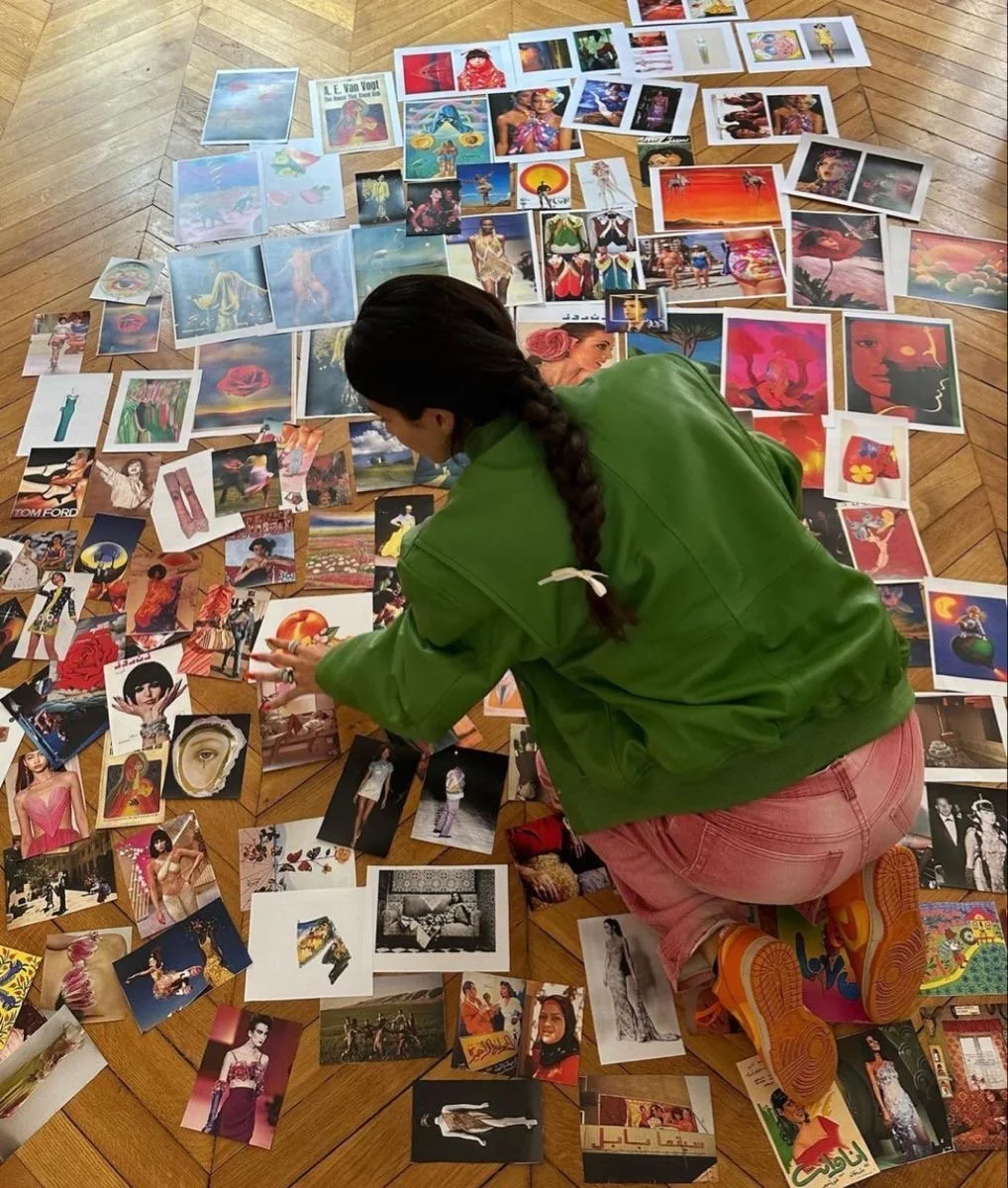
A fashion collection is rarely the product of a single idea arriving fully formed. It can take months of research, experimentation, sampling and refinement before a garment is ready to be seen. A designer might spend weeks developing a silhouette, testing fabrics, altering a pattern or deciding whether a detail is worth keeping. There are fittings, castings, styling decisions, locations, lighting, music and production. Behind the final image is an enormous amount of work that the audience is never necessarily expected to see.
Instead, the finished collection enters a feed.
A runway show that represents months of creative development can be encountered through a 15 second clip. A campaign involving a team of photographers, stylists, models, makeup artists and art directors might be reduced to a carousel of images. A garment that took weeks to develop can appear on screen for the few seconds it takes to scroll past it.
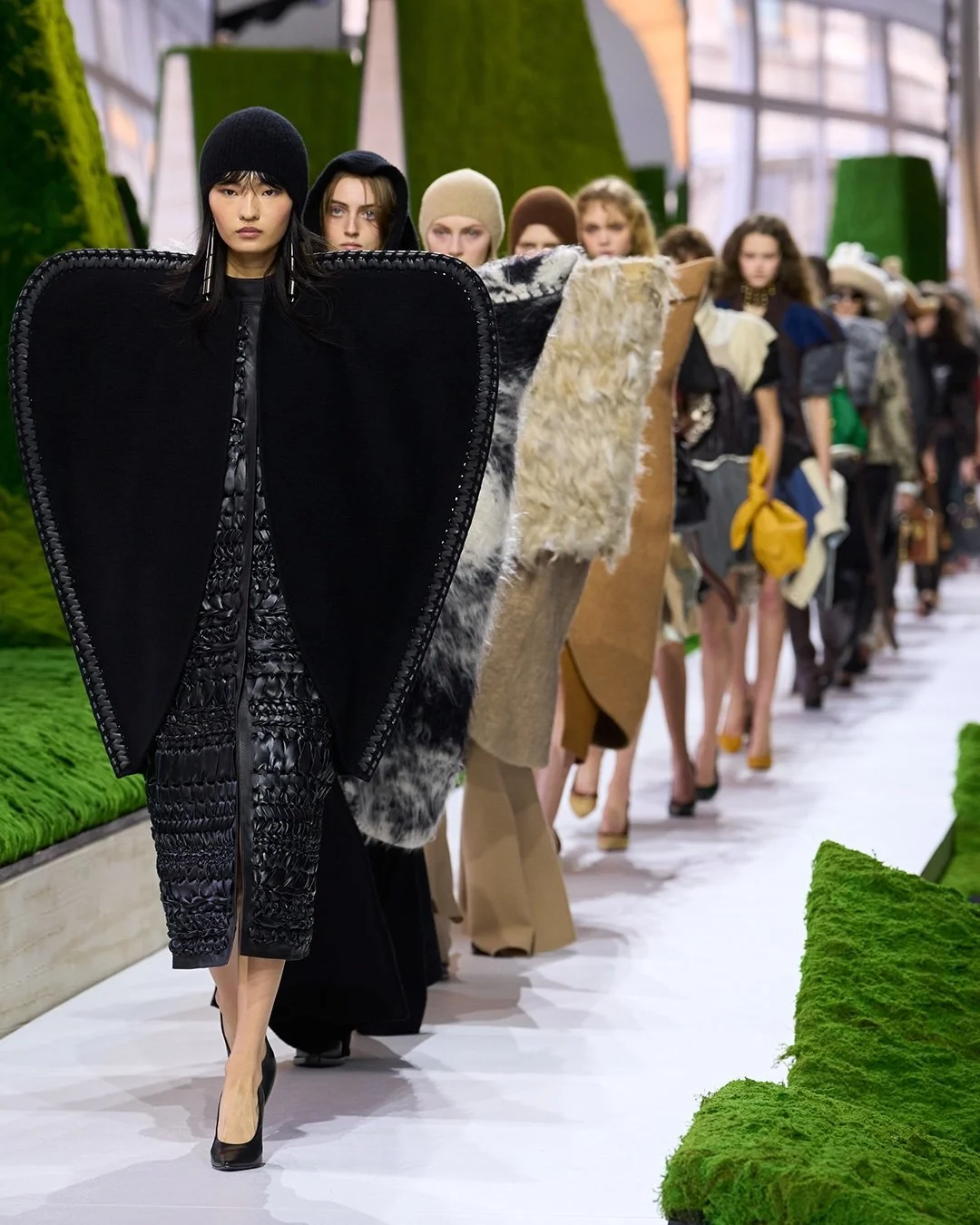
There is an increasing expectation for fashion brands to constantly produce something new; a new campaign, a new drop, a new collaboration, a new behind the scenes video, another collection to discuss. The creative process may still take months, but the audience is being trained to expect its results almost immediately.
This creates a strange compression of time; months of creative labour are condensed into seconds of viewing, while those seconds disappear almost immediately into the next piece of content.
This constant cycle of consumption raises a bigger question about the way we value creativity itself. When months of research, experimentation, failure and refinement can be reduced to a few seconds on a screen, are we really appreciating the creative process, or only its finished result? Short-form videos give us unprecedented access to creative work, but its speed can also make that work feel disposable. We see the collection, the campaign, the final image and then we move on before considering everything that went into making it. Perhaps the concern is not that TikTok is destroying creativity, but that we are becoming so accustomed to consuming the outcome instantly that we are forgetting to appreciate the process that made it possible.
Written By: Leah Murphy
Edited By: Hazel Hunter
