The Last Letterpress: Printers keeping Dublin's monotype tradition alive by hand
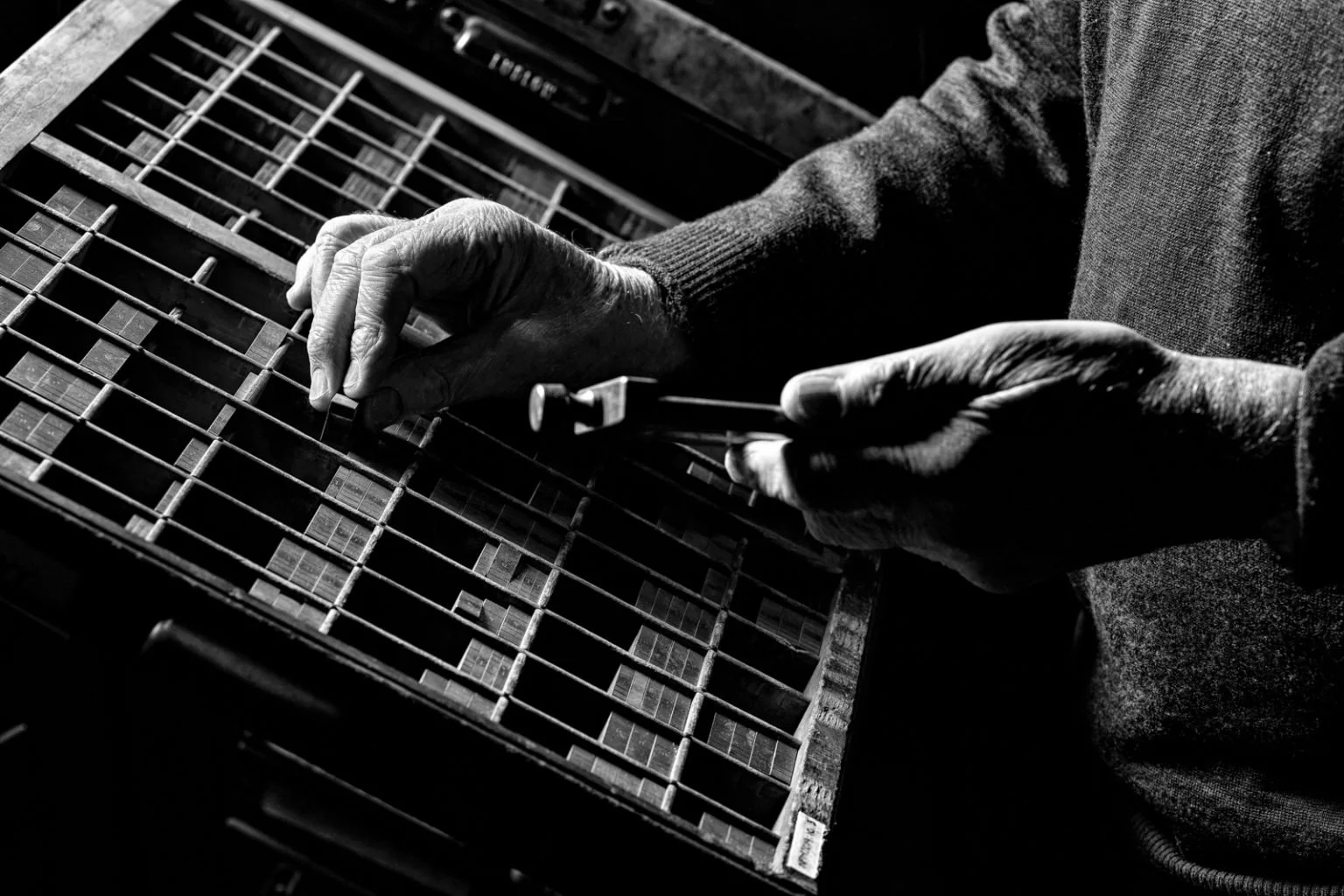
There's a chapel in Beggars Bush, the Old Garrison Chapel on Haddington Road that doesn't hold services anymore, instead it houses machines. Wharfedale presses, Linotype casters, and somewhere among the rows, the country's last working Monotype system. Tended by the only Monotype engineer left in Ireland. One person.
The National Print Museum was founded in 1996 by retired printers who couldn't stand watching their trade vanish without so much as a note left behind. Fair enough! When hot-metal printing died, it died fast. Machines that weren't shipped off to print shops in the developing world got dumped, literally skipped, or shoved into garages and woodsheds around Dublin by printers too stubborn to let them go to landfill. Some of that hoarded, sentimental metal eventually found its way back into daylight, into the chapel, where it's been rebuilt into something resembling a working 1960s print shop.
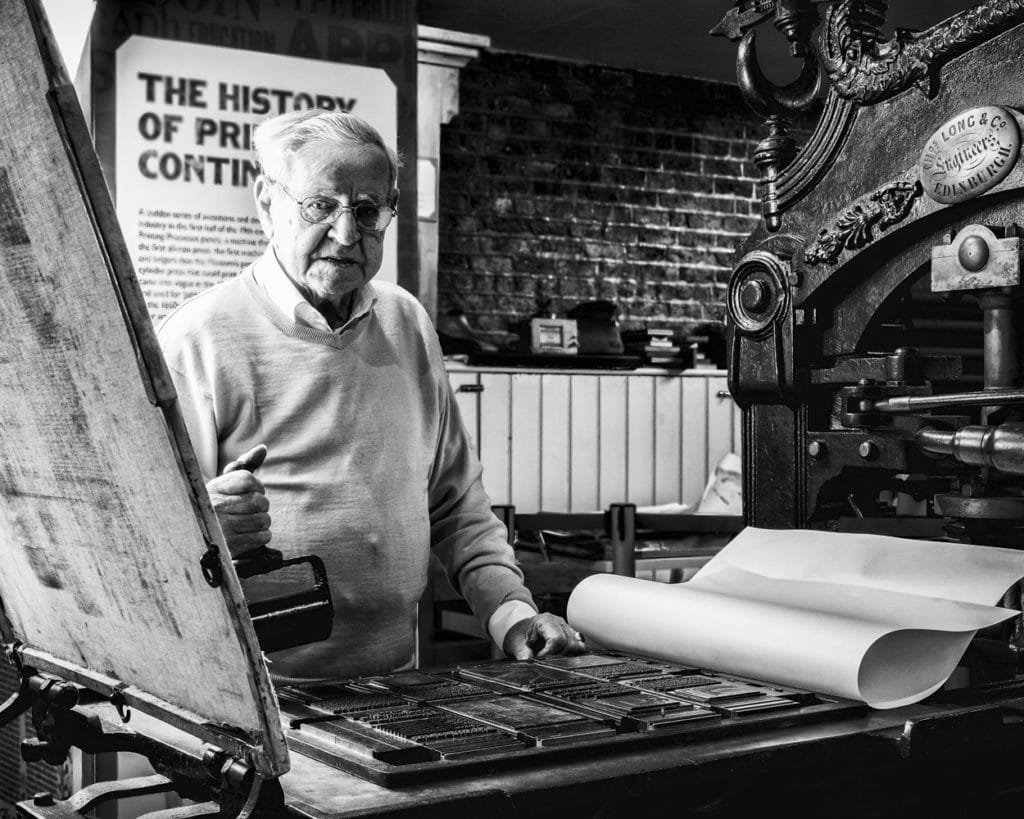
The people who run it now, ‘The Chapel’ as the volunteers call themselves, are mostly retirees. Fourteen men, one woman, ranging from seventy to eighty-six. Each has a specialism; compositors, machine minders, the Monotype man. What they're protecting isn't nostalgia posing as heritage. It's a set of physical skills that live nowhere except in trained hands: how to read type backwards and upside down at speed, how to feel a nicked letter by touch before the eye catches it, how to coax a temperamental caster back into rhythm when it stalls mid-line.
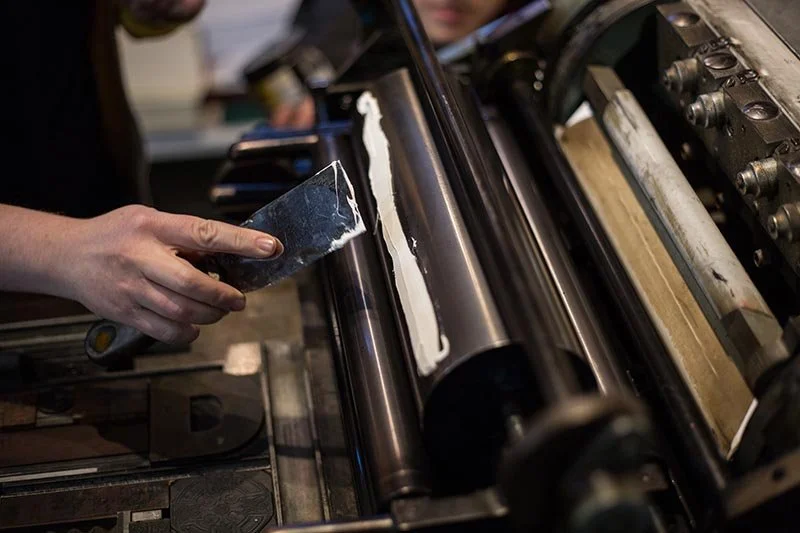
Letterpress has become fashionable again, wedding stationery, boutique posters, that deep inky bite pressed into thick cotton paper. All very nice. But that revival is mostly aesthetic, a look bought and sold, divorced from the labour and the machinery that actually produced it for five hundred years before Gutenberg's movable type spread out from a converted grape press in the 1440s. The museum's collection isn't chasing that trend. It's holding onto the mechanics underneath it, the tabular precision that made Monotype the machine of choice for railway schedules and mathematics textbooks. Work that demanded exactness no amount of vintage filters can fake.
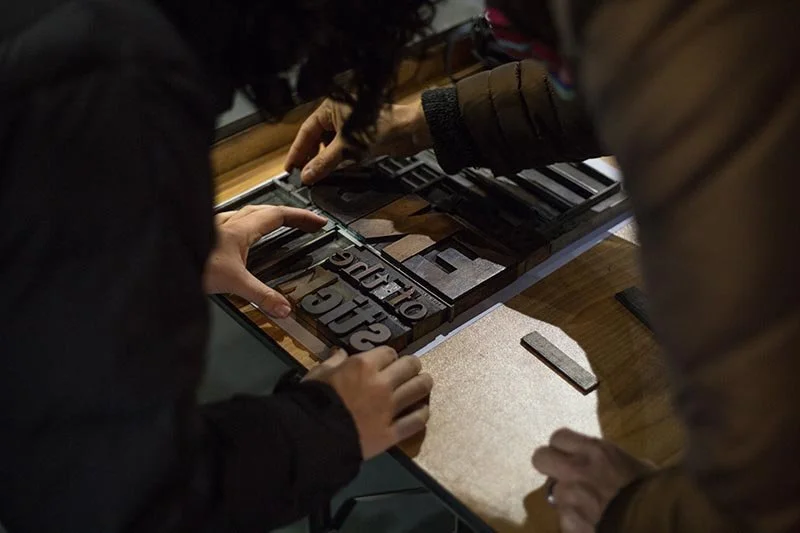
There's a term from the old print floors worth sitting with, the ‘hell box.’ Broken type that was worn beyond use, went back to be melted down and recast as new letters. Nothing wasted. Every sort got a second life until the metal itself gave out. It's a strangely disciplined image for an industry now associated mostly with Instagram-friendly wedding invites.
What happens when the last Monotype engineer retires isn't really a mystery. The machine doesn't stop being valuable. It just stops being usable because no one has chosen to carry the craft on. That's the difference between a museum piece and a working one and right now, in a converted chapel near Beggars Bush, that difference is being held together by one specialist and fourteen volunteers whose combined age outnumbers most retirement homes' waiting lists.
Written By: Pranamya Shetty
Edited By: Hazel Hunter
