Mindful Tech: Can We Have a Healthy Relationship With Our Devices?
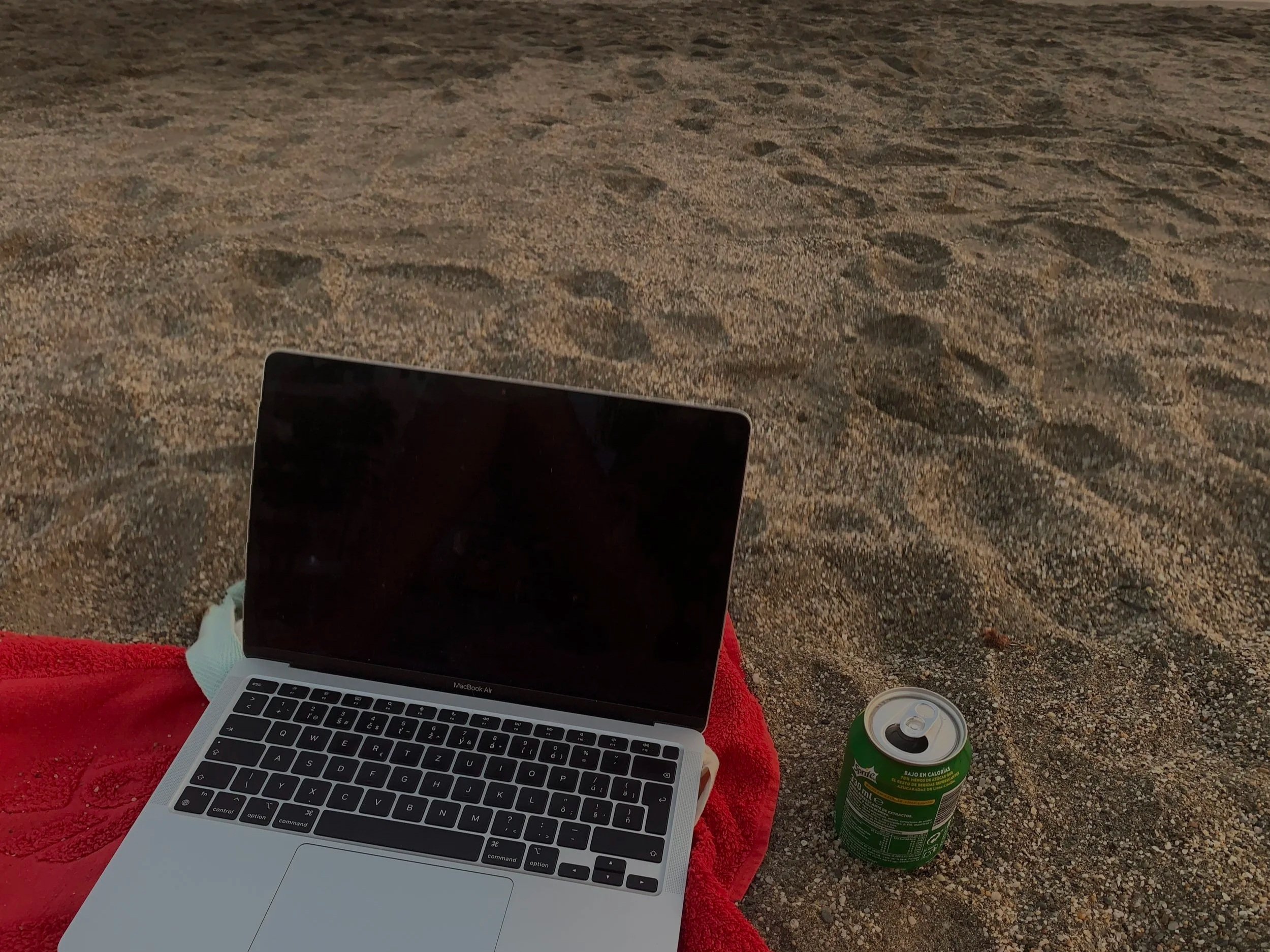
No one can deny the impact of technology on our everyday lives; it’s become a crucial part, and though this isn’t a bad thing in itself, more and more of us are becoming addicted to our phones and other devices. Beyond the devices, social media exacerbates this addiction, and it’s almost impossible to escape. So much of life happens online now, from friendships to dating to getting the news. If you cut technology out of your life, you risk cutting yourself off from the world.
Social media has always been described negatively when we discuss technology. While it can be great for keeping in touch and networking, Instagram, for example, has proven particularly harmful by promoting unhealthy beauty standards and ruining young people’s self-esteem when they are at their most impressionable.
The problem extends beyond social media platforms and speaks to a deeper issue within our relationship with technology. It is not the fault of the platforms, but our own use of them and the dependency which we have developed as a society. The mindless act of doomscrolling has become a substitute for relaxation after a long day of school or work. It seems too exhausting to pick up a book or use our brains. The idea of scrolling endlessly for an hour or so seems more mind-numbing, more straightforward, but also more harmful.
Despite our strong bond with social media and technology, the adverse effects are apparent.
The constant access to so many other people’s opinions on social media, at the tap of a finger, makes it difficult to form our own opinions and to think critically. It’s easy to avoid having your own ideas and sense of self when you can find someone else’s and copy it for the sake of convenience. It's overwhelming to have constant access to so much information and so many different opinions. We were never meant to receive this much information at once, and it can be really unpleasant to absorb it online constantly.
Short-form content on social media makes it feel like no time has passed as we scroll. As our attention spans dwindle by the day, it might be challenging to sit and finish a film or an episode of a TV show, but scrolling for hours is effortless. Before you know it, it’s midnight and you need to sleep. In today's world, we are so deeply invested in our online lives that we often neglect our lives off-screen. We've lost touch with the real world around us. This is particularly the case when we’re viewing content creators or influencers whose specific job is to curate content that is entertaining for viewers to generate traffic. So much of what we witness online is falsified and artificial, but not necessarily to the naked eye. We end up comparing our own very real lives with those of people who have all day to create a visually appealing morning routine. Our grasp on reality is dwindling, along with our satisfaction with our own lives and experiences.
This has been further exacerbated by technological developments such as AI. Not only does it have an awful impact on the environment, but it also severely damages our thinking skills. AI makes people lazy; why do the research when a chatbot can tell us the answer? Why write an essay for homework when AI can do it for us? It has created a situation in which people are so reliant on technology that they lack the awareness to realise its harmful impacts, especially those who rely on it for emotional regulation and wellbeing, which is increasingly reported.
While it’s safe to say that social media can have harmful effects on our everyday lives and well-being, we aren’t completely doomed. It’s not impossible to have a healthy relationship with social media, but it doesn’t come naturally. Social media was designed to be addictive, to keep us online. To have a positive relationship with technology and achieve a better balance, you have to put in the work to undo that addiction and resist the temptation to doomscroll. It’s all about intention.
Lately, this intention to step back from social media and AI and engage more thoughtfully has gained real momentum. While Gen Z has a reputation for being addicted to social media, they’re also leading the movement away from it. Many people are denouncing TikTok and Instagram, instead choosing to create a curriculum of activities for themselves to avoid ‘brainrotting’, a common symptom of doomscrolling. Perhaps their familiarity with technology is precisely what has made them turn away from it.
Ultimately, social media is not the enemy. Technology itself is not inherently dangerous, as long as it is used correctly within limits. Use the internet to research a topic, or scroll on TikTok for a recipe idea. After all, the amount of information available on platforms like TikTok is incredible, and it can actually lead to connections, inspiration, and education. But it must be used intentionally. It is so easy to fall into the online world and live there, but it is essential to stay grounded in reality and spend as little time as possible staring at a screen.
Everyone can benefit from being more aware of their technology use, maybe by using screen time limits. Even if you end up ignoring them, the notification reminds you that time is passing. Try to reduce your screentime by an hour each day. Replace this time with a hobby. Reading a book, doing a workout or a craft. Instead of your Kindle, read a physical book. Swap your Google Calendar for a paper diary. Bring back analogue living. Embrace tangible artefacts so that you’re immersed in your own life, not just everyone else’s.
Social media makes our time disappear, leaving us with none left for the fulfilling parts of our lives. We have to be mindful enough to balance it all on one plate so that nothing drops.
Writer: Freya Dunlop @Freyadunlop
Editor: Shaunamay Martin Bohan @F4wnfatale
