Rachael Grif Is the Content Creator Fast Fashion Brands Don’t Want You to Watch
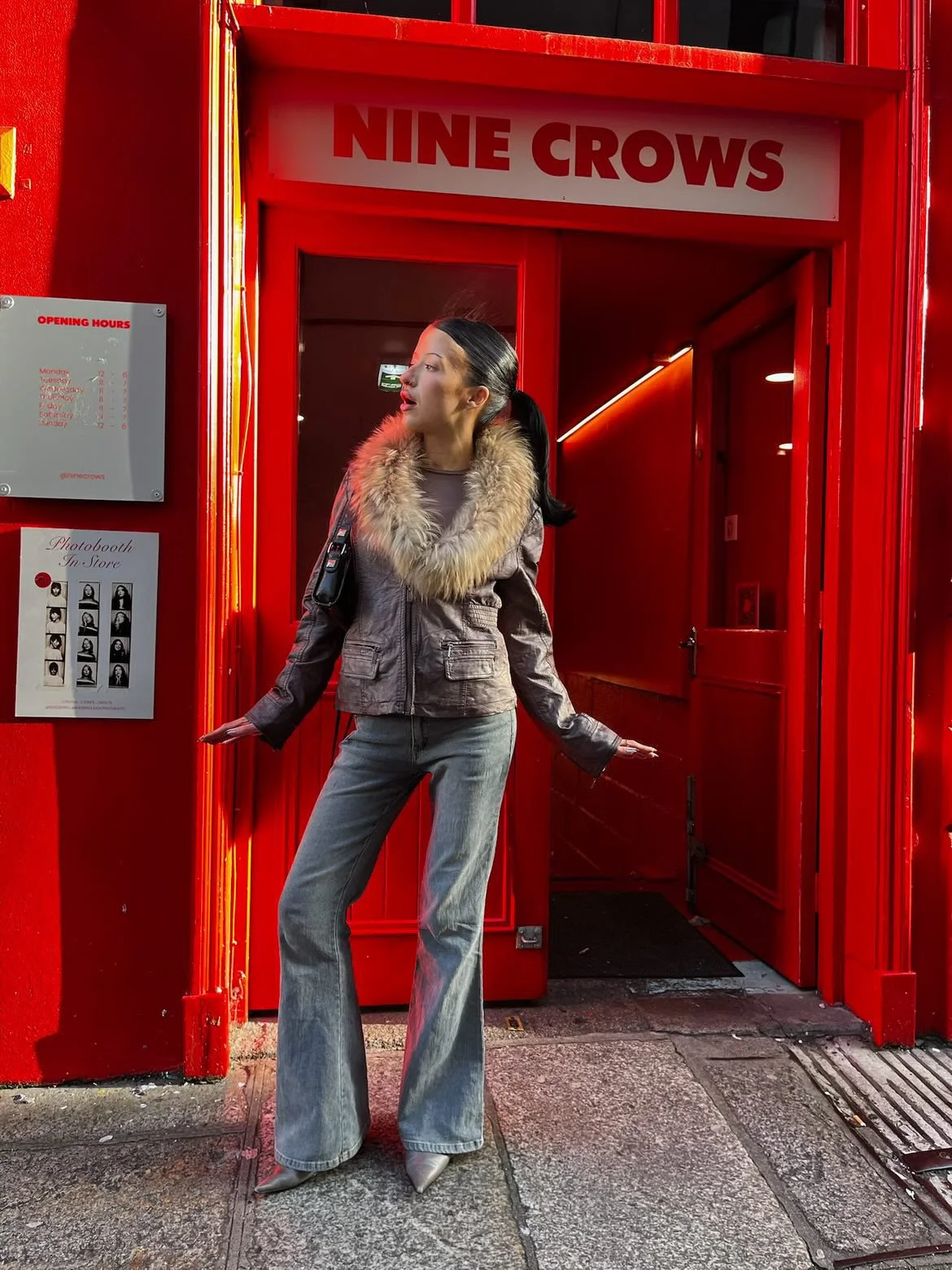
From the beginning of our consumerist-driven world, women and shopping have been stereotyped to go hand in hand. The high street diva's biggest hobby is shopping till she drops. She’s fashion-forward, trendy, has style, and is… a victim of a world barking down your neck to buy, buy, buy.
It’s impossible to escape an advertisement these days; they're hidden between Instagram stories of horrific news and your coworkers' engagement announcements. They’re on the sides of buses, they echo through podcast breaks, and they visit us through commission-paid and hidden #ad disclaimers in the captions of the creators you’ve formed a parasocial relationship with.
We are being taught that we need to need, that it’s normal to want and want and want. You need to buy this new top with your next paycheck before it goes out of fashion! Quick, pick up this overpriced, 95% plastic, fire-hazard headband so other people at your local pub know you’re the right kind of cool. You know style, you are relevant. You are a Carolynn Bessette Kennedy of today, and the Charlie XCX indie sleaze of tomorrow.
Among an ocean of content creators turned influencers telling you to spend your paychecks on rubbish they’ve been gifted, content creator Rachael Grif breaks through the noise and asks us to do what big fashion is afraid of most: …Think!
From Dublin’s Ringsend, Rachael Grif started her fashion journey like anyone else, spending her first paycheck on a classic BooHoo haul. Like many, she first dipped her toe into sustainable fashion through Depop and, over time, began to realise how much of her occasional Penneys and Zara hauls never left the closet hangers. From there, Grif developed a deeper interest in sustainable fashion, and she is now Ireland’s fastest-growing “De-Influencer,” with over 30,000 followers on TikTok. Grif states that the purpose of her content is to educate others about fast fashion and encourage others to shop second-hand.
“I share second-hand finds, ways to stop relying on fast fashion, and I love to call out shady clothing brands. We all know that fast fashion is ‘bad’, but I’m here to support people to leave it behind! ”
While many Content Creators focus their niche on slow fashion, Grif stands out from the crowd for a variety of reasons. Not only does her content tell you to stop shopping fast fashion for the sake of the environment, but she also teaches her audience what they’re actually buying, doing reviews of new product launches from so-called sustainable brands and opening your eyes to just how much plastic, flammables and sloppy stitching your clicking purchase on under the guise of a green feeling. In return, she offers advice on how easily you can switch to second-hand shopping and create a collection of clothes that won’t get eaten by your washing machine.
Grif's content also stands out from the crowd by promoting… maybe not shopping at all… or at least shopping less. When we are raised in a culture of buy-and-buy, swapping out Shein hauls for charity hauls and Vinted shipments can feel like substituting one addiction for another. Grif’s content reminds watchers that they can want from a distance, work with what’s in their wardrobe, and if they truly want something, sit on the idea for a while to see if their opinion changes. To the average Irish charity shop addict (like myself) in need of a dopamine hit from finding a slightly too-big-for-you 2012-worn-out mini dress in SVP, these ideas, put so blatantly, feel like an intervention, but maybe one we all desperately need.
We were delighted to discuss all things style and sustainability with Grif, and she shared insights that might inspire you to look at your own habits in a new light.
How would you describe your personal style, and how has it changed since quitting fast fashion?
“My style now is so me. Everything that I buy is so ‘Rachael’. I gravitate towards structured pieces, dark colours, and fun accessories that cater to any plain outfit.
Before, my wardrobe was insanely trend-focused. – I definitely fell into buying items that will match one singular outfit. Bright green Vans-bought it. Skin-tight mesh dress-bought it. Looking back, I think of all the outfit combinations lost to landfill, but all we can do is move forward and away from fast fashion.-- It was just boring, it wasn’t me! We are all unique, we all have weird quirks, so why are we hiding this behind a beige co-ord? The biggest change is that I don’t feel the need to keep up with trends anymore. I can appreciate a trend from afar without feeling the need to buy it.”
What trends can you not stand?
“As I am writing this, hundreds- if not thousands of people are watching ‘Love Story’ and are trying (or buying) to emulate Carolyn Bessette Kennedy’s iconic style. The same people were cosplaying as Charli xcx last summer. I wonder who will be next! Could it be me? Xx”
Who inspires your style, and what makes style “good” to you?
“I’m inspired by people who dress for themselves rather than trends. I work in a vintage shop where each person has their own style. It’s quite beautiful to be surrounded by people who show off their quirks through fashion.
‘Good’ style is consistent. It’s recognisable. It’s personal. It’s your friend holding up a dress saying, “ That’s so you!”
What's your best advice to someone who wants to quit fast fashion but doesn't know where to start?
“My first piece of advice is to delete any shopping app from your phone. It really takes away that desire to see what’s new!
I know how hard it can be to resist the urge to click on your favourite influencer’s outfit links, so I would also encourage people to unfollow anyone who will have a negative impact on your slow fashion journey.
Of course, restyling your clothes, swapping with your friends, and using second-hand clothing apps are all brilliant ways to ditch your fast-fashion habit, but remember to take it easy! This doesn’t have to happen overnight.”
What do people get wrong about slow fashion?
“People think slow fashion means buying from deathly expensive sustainable brands, or buying smelly, tattered clothing from the charity shop.
But really, it’s just about being more intentional with what you buy and how long you keep it. It’s really simple. Shopping second-hand (in moderation), repairing clothes, restyling outfits, and wearing things over and over again are all part of slow fashion.
You don’t need to go all in like me. Every change you make to your shopping habits is a huge step forward! “
Are there any shopping rules you live by?
“I wish I could say that I never buy trends, but believe it or not – I do get tempted by trends. I like to really take the time to figure out if I actually like something. Usually, I come to my senses in the end.
Unless I come across a holy grail that will transform my wardrobe, I like to give myself a window to really think about a purchase before buying.
I won’t buy any clothing items made from shiny PU leather, even if it’s second-hand. That stuff stinks and squeaks – it’s a sensory nightmare.”
Favourite charity shops or vintage spots?
“Honestly, my favourite charity shop is the one local to me; you’ll have to decipher the name by reading up a few questions. A pro tip is to befriend the lovely employees in your local shop; they may put items aside for you.
For true vintage, you can’t beat a flea market abroad. My best friend lives in Paris, and I’ve been hounding her to let me come over to see ‘her’. I’m dying for a good pair of summer heels.”
What’s the best second-hand piece you’ve ever found? And what made it special?
“This wasn’t something I found, but something that found me…
My Mam is a hairdresser, and one of her regular clients follows my page (I had no idea). She is a true fashion lover and really knows how much I appreciate slow fashion.
Last week, I walked in from work to a pale grey 2013 Chanel bag greeting me on the kitchen table. My Mam’s lovely client was decluttering and thought of me. Tears were shed, my poor Dad hadn’t a clue why, but tears were shed.”
Grif’s thoughts on fashion inspire us to shop more slowly and consciously for the sake of the environment. Do it for the reward of training your brain to create great outfits from what you already have. Do it so those little purchases feel even more special. Do it so your friends see a piece of clothing and say, “This is so you,” rather than “This is so on trend”
Slow fashion isn’t just a gift to the environment, it’s a gift to yourself. It reminds you how to express your own style and reconnect with who you are. And if you’ve ever found yourself spiralling into the mindset of “well, they’re all bad for the environment anyway,” or coming home to ten taped-up Lidl bags full of French mammies’ moth-bitten athleisure sitting at your front door, it might be time to check in with Grif on TikTok. You’ll learn how to buy with purpose, discover your own style, and stay entertained the whole way through it.
If you’re looking for a fashion content creator who won’t bullshit you, you can find Rachael at @Rachaelgrif on TikTok and @Rachael.Grif on Instagram.
Written by: Shaunamay Martin Bohan (F4wnfatale)
Tags: Fashion, Style, Interview, Creativity, Culture
