The Sociology of the Smoking Area
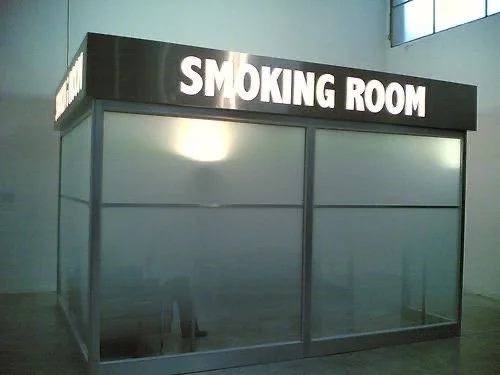
The best part of a night out is often not inside the venue.
It is outside, usually under a heater that barely works, where someone has asked for a lighter and a group of people who did not arrive together are now talking. Half an hour later, the people who originally came out for a cigarette have gone back inside and somebody who does not smoke is still there.
The smoking area is an odd social space. Its stated purpose is straightforward, but in plenty of pubs and clubs it functions as much more than somewhere to smoke. It is quieter than the dancefloor, less awkward than standing alone at the bar and one of the few places on a night out where talking to somebody you don’t know feels normal.
Ireland essentially created the modern version of it by accident.
When the workplace smoking ban came into force in 2004, smoking moved out of pubs and into courtyards, beer gardens, doorways and whatever outdoor space venues could find. Publicans adapted, and smoking areas gradually became part of the architecture of Irish nightlife.
More than twenty years later, the novelty is gone. The social function isn’t.
There are plenty of places where strangers technically can speak to each other on a night out. In practice, there are surprisingly few where doing so feels natural. Inside a busy bar, people arrive in groups and generally stay in them. Clubs are often too loud to sustain much of a conversation. Phones provide an easy escape from standing around alone.
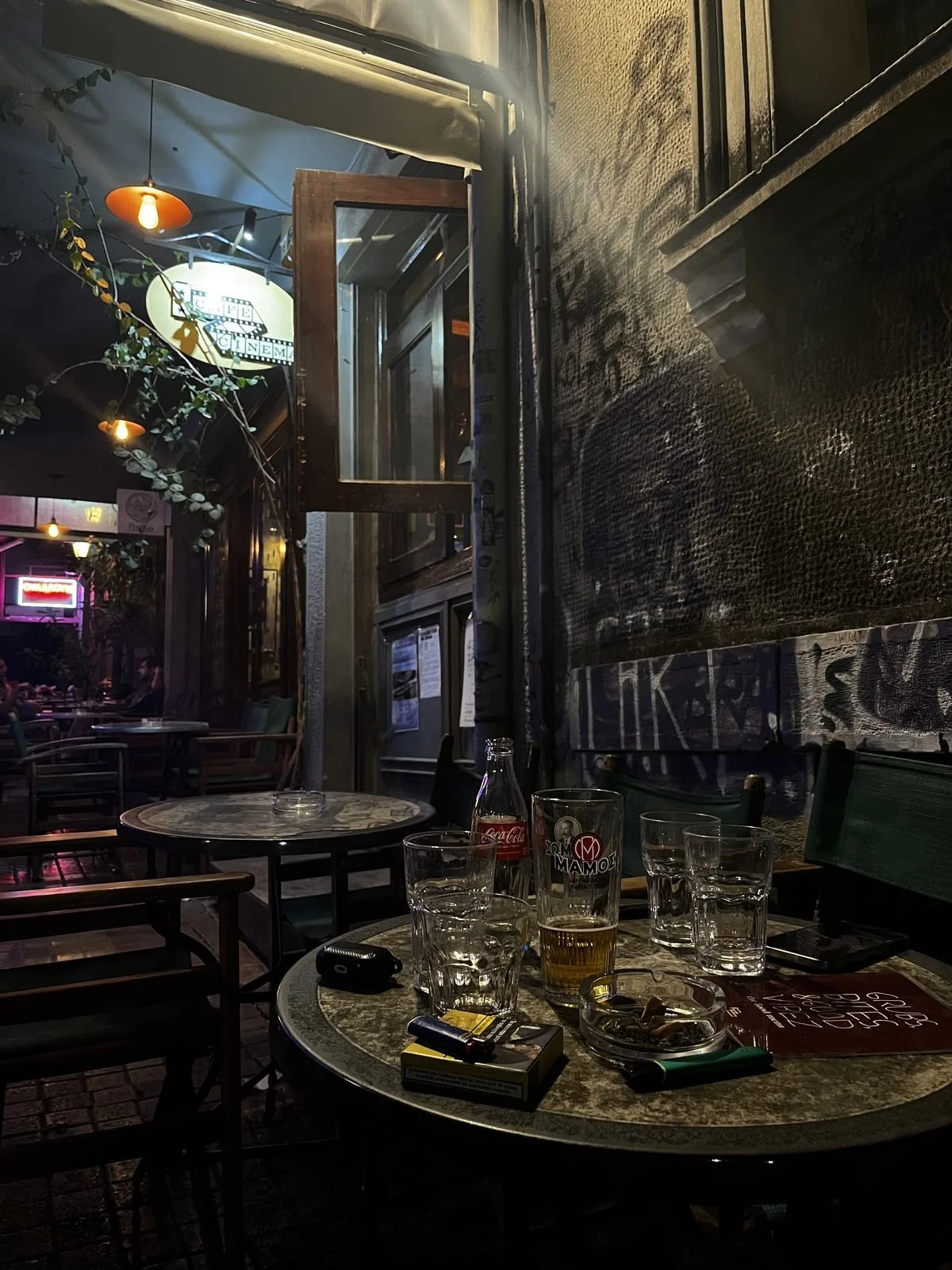
The smoking area removes some of that awkwardness.
There is already a reason for everyone to be there, and cigarettes provide a fairly mundane reason to interact. Do you have a lighter? Can I grab a filter? No chance of a pinch of tobacco? Even complaining about how cold it is will do.
The interaction doesn’t need to go anywhere. You can talk for three minutes, finish a cigarette and leave without the abruptness that would come with walking away from somebody inside. Or you can stay for an hour.
Research into Irish pub culture has noted that pubs allow conversations with strangers that would feel inappropriate in other public settings, while phone use can reduce those moments of spontaneous interaction. The same research points specifically to smoking areas as places where smokers and non-smokers congregate and talk.
The non-smokers are important here.
Anyone who goes out regularly knows that the smoking area isn’t populated exclusively by people smoking. People go because their friends are going. They go because they want air, because it’s quieter, because they’re too warm, because somebody they want to talk to is outside or because the smoking area happens to be nicer than the actual bar.
A good smoking area can become a venue within a venue.
What makes one good is surprisingly specific. It can’t be too exposed to the weather, obviously. It helps if you can sit down. You should still be able to hear enough of what’s happening inside to feel part of the night, but not so much that you’re shouting into somebody’s ear.
Size matters too, although probably not in the way a venue designer would expect. Bigger isn’t necessarily better.
Some of the best smoking areas are objectively quite bad spaces. They’re too small, the seating is limited and everyone is standing closer together than they otherwise would. But that forces people into each other’s orbit. A huge beer garden can easily reproduce the same closed groups as the pub inside. Put eight people into a tiny courtyard and somebody will eventually speak.

This is probably why the smoking area can produce a slightly different version of a night out. Groups get broken up. Two people go outside, one runs into someone they know, their friends join them, someone borrows a lighter and suddenly six people who weren’t previously together are sharing a table.
Sometimes you meet someone interesting. Sometimes you get trapped listening to someone you desperately want to escape. The smoking area isn’t inherently more profound or friendly than anywhere else. It simply creates more opportunities for interaction, including bad ones.
It can also be one of the only places where you actually talk properly to the people you came with.
A lot of nightlife is not particularly well designed for conversation. Music is loud because it is supposed to be loud. Bars are crowded. People are moving around. Stepping outside gives you ten minutes where you can actually hear what your friend has been trying to tell you for the past hour.
That may explain why people end up spending far longer there than intended.
None of this makes smoking itself desirable. Tobacco use remains a major public-health issue, and reducing it is obviously a good thing. Younger people are also smoking less than previous generations did, while vaping has become more common among younger adults.
But if smoking continues to decline, there is an interesting question about whether the social space built around it declines too.
Nightlife could easily reproduce the useful parts without the cigarette. Outdoor areas where you can sit, hear each other and move between groups don’t actually require smoking to work. What they require is permission to linger without having to do very much.
That might be what the smoking area gets right.
It’s not magical, and the people outside aren’t automatically more interesting than the people inside. It’s just one of the few parts of a night out where standing around doing nothing is an accepted activity.
And when people have nothing in particular to do, they sometimes talk to each other.
Written By: Holly Warren
Edited By: Hazel Hunter
