If you're someone who waits all year for the leaves to turn golden, considers lighting a candle a legitimate personality trait, and suddenly feels the urge to become a woodland witch the moment September arrives, then chances are you've already been embracing the spirit of Mabon without even realizing it. While festivals like the Summer Solstice and Winter Solstice tend to get all the attention, Mabon, the celebration of the Autumn Equinox, is just as magical. It's a festival rooted in balance, gratitude, harvest, and reflection.
And honestly? If you've ever read a romantasy novel and found yourself wishing you could live in a cozy cottage deep in an enchanted forest where harvest feasts, glowing lanterns, and seasonal celebrations are part of everyday life, Mabon might be the closest thing we have.
In reality, Mabon is the modern Pagan celebration of the Autumn Equinox, a point in the year when day and night are almost perfectly balanced. It typically falls between September 21 and 24 and marks the beginning of a shift. Summer's chaotic, sun drenched energy starts to fade, the air turns crisp, and suddenly everyone is craving cinnamon, comfort food, and a dramatic walk through falling leaves.
The older I get, the more I understand why people created holidays around seasonal transitions. Living in modern society often means we're disconnected from nature's rhythms. Most of us experience autumn through coffee chains releasing pumpkin spice drinks rather than noticing what's actually happening around us. But Mabon invites us to slow down, to pay attention, to acknowledge that something is ending, but also that something new is beginning.
Traditionally, Mabon is considered the second harvest festival within the Pagan Wheel of the Year. It is a celebration of abundance, gratitude, and preparation for the darker months ahead. Now, unless you're secretly maintaining a medieval farm in your back garden, your harvest probably isn't measured in apples or grain. Your harvest might be the project you finally completed, the friendship that deepened, the boundaries you learned to set, the months you survived when everything felt difficult, or the version of yourself you slowly grew into. But where did Mabon actually come from? Here is where things get slightly less ancient mystical forest and a little more complicated. Although harvest celebrations are incredibly old, the name Mabon is actually a modern addition to Pagan tradition. It became associated with the Autumn Equinox during the 20th century and takes its name from Mabon ap Modron, a figure from Welsh mythology. So, no, there wasn't necessarily a group of ancient Celts gathering every September and calling their celebration “Mabon”. But the ideas behind it, marking the harvest, preparing for winter and paying attention to seasonal change, have much older roots. And honestly, I don't think its modern name makes the ritual of celebrating it any less meaningful.
One of my favourite things about Mabon is that it asks us to stop constantly chasing the next thing. Modern life is obsessed with productivity. There is always another goal, another deadline, another milestone waiting around the corner. One of the reasons I'm so drawn to Mabon is because it feels like permission to slow down. Summer is often associated with doing more, seeing more, being more. Mabon asks something different of us. It asks us to pause long enough to appreciate what's already here. To acknowledge what we've grown, what we've learned, and what we're ready to leave behind before winter arrives.
One of the most beautiful things about Mabon is its relationship with balance. The Autumn Equinox arrives at that brief moment when day and night are approximately equal, before the darker evenings slowly begin to take over. Maybe it's the witch in me, but I love that darkness isn't necessarily treated as something frightening or negative here. Instead, it's simply another part of the cycle. We spend so much of our lives being encouraged to grow, achieve, produce and constantly become a better version of ourselves. Nature, meanwhile, seems perfectly comfortable reminding us that nothing blooms all year round.
There's a season for growing, but there's also a season for gathering what you've grown. For resting. For looking inward. For letting certain things go.
Maybe that's what makes Mabon feel particularly grounding. It doesn't ask us to reinvent ourselves before the year ends. It gives us permission to appreciate where we are now, while making space for whatever needs to change next.
So…How do you celebrate Mabon?
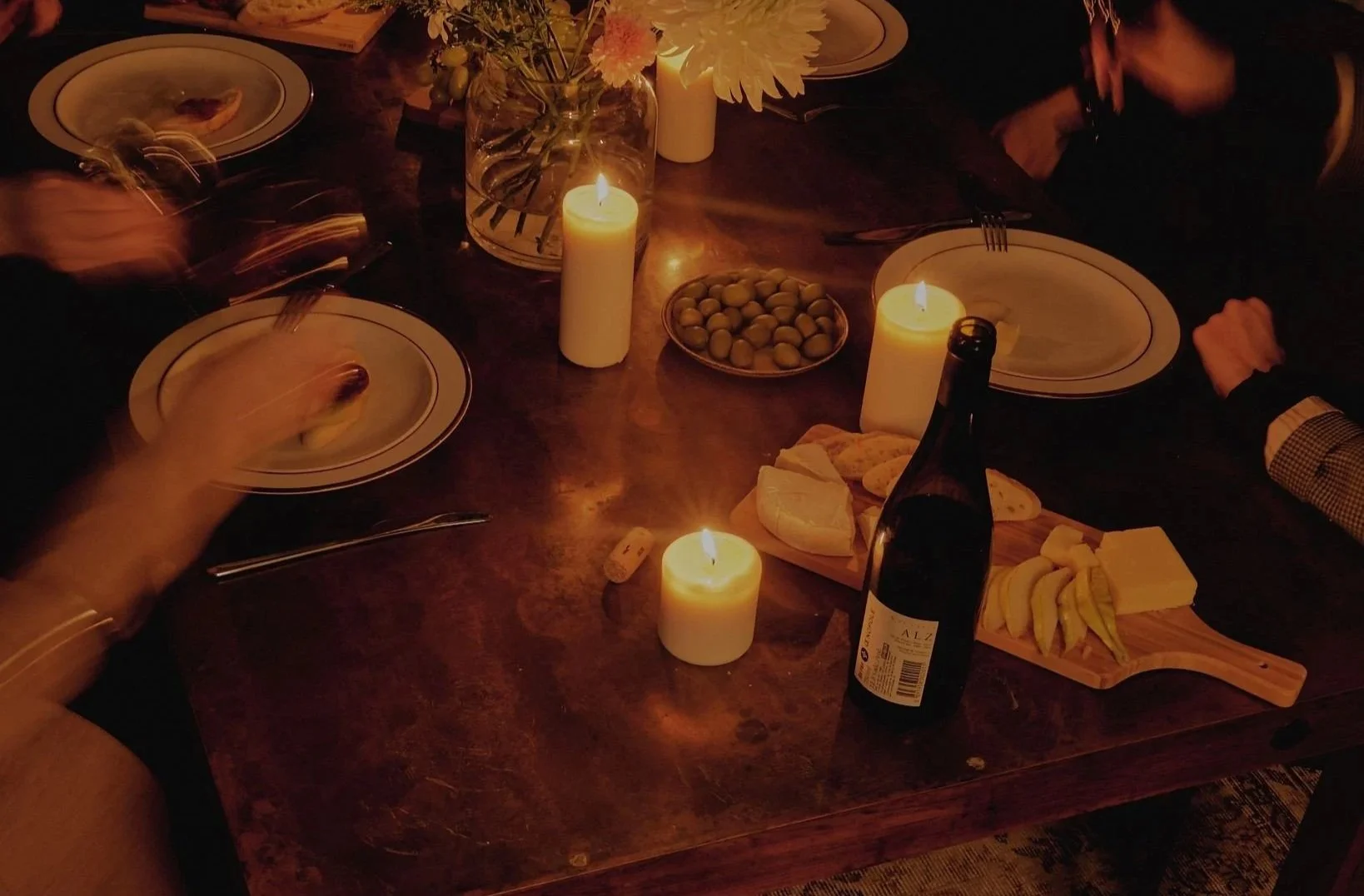
The good news is that you don't need to move into a cottage in the woods and start speaking exclusively in riddles. One of the reasons Mabon feels so accessible is because many of its traditions are simple and deeply comforting. Bake something seasonal. Apples are strongly associated with Mabon and have long appeared in harvest celebrations. Take a long walk through nature, start a gratitude journal, host a dinner with friends. Decorate your space with candles, dried flowers, autumn leaves, pumpkins, or foraged acorns. Create a seasonal altar if that's your thing. Or simply spend an evening reflecting on everything you've cultivated this year, whether that's a new skill, a relationship, a creative project, or a version of yourself you're proud of becoming. Sure, it might sound a little like the sort of festival you'd stumble across in the pages of your favourite romantasy novel. But perhaps that's why so many people are drawn to it. Mabon reminds us that magic doesn't always have to look extraordinary. Sometimes magic is found in slowing down, gathering around a table with people you love, and paying attention to the changing season. And if embracing a few Mabon traditions helps you feel like the mysterious main character wandering through an enchanted autumn forest with a basket of apples and no pressing emails to answer?.. Well, that's just an added bonus.
Personally, I think Mabon perfectly captures what so many people love about autumn. It's cozy without being performative, spiritual without demanding perfection, grounding without feeling restrictive, and let's be honest, it arrives exactly when we need it. By September, many of us are tired. Summer plans have come and gone. The year suddenly feels like it's moving far too quickly. Christmas decorations are somehow already appearing in shops.
Whether you identify as Pagan, spiritual, witchy, or simply someone who enjoys romanticising their existence, there is something beautiful about marking the changing seasons intentionally.
So set the mood. Light some candles, put on a cozy playlist, pick up your favourite book, or open your journal and write down what you're grateful for.
After all, life could always use a little more whimsy.
Written By: Valerin Vanegas
Edited By: Rose Curnyn
