Yuri Henrique: How Art and Skateboarding Builds a Global Family
Yuri Henrique started skating at just twelve years old, in the heat and chaos of a city that could be harsh as it was alive. The board was his way out, a symbol for possibility in a world where survival often outweighed dreaming. However, after a serious knee injury that forced him off the board, Yuri persisted to stay connected with the skating community. Yuri Henrique has sat down with Starfish to tell his story about the skating community, and his evolution from skater to photographer and filmmaker.
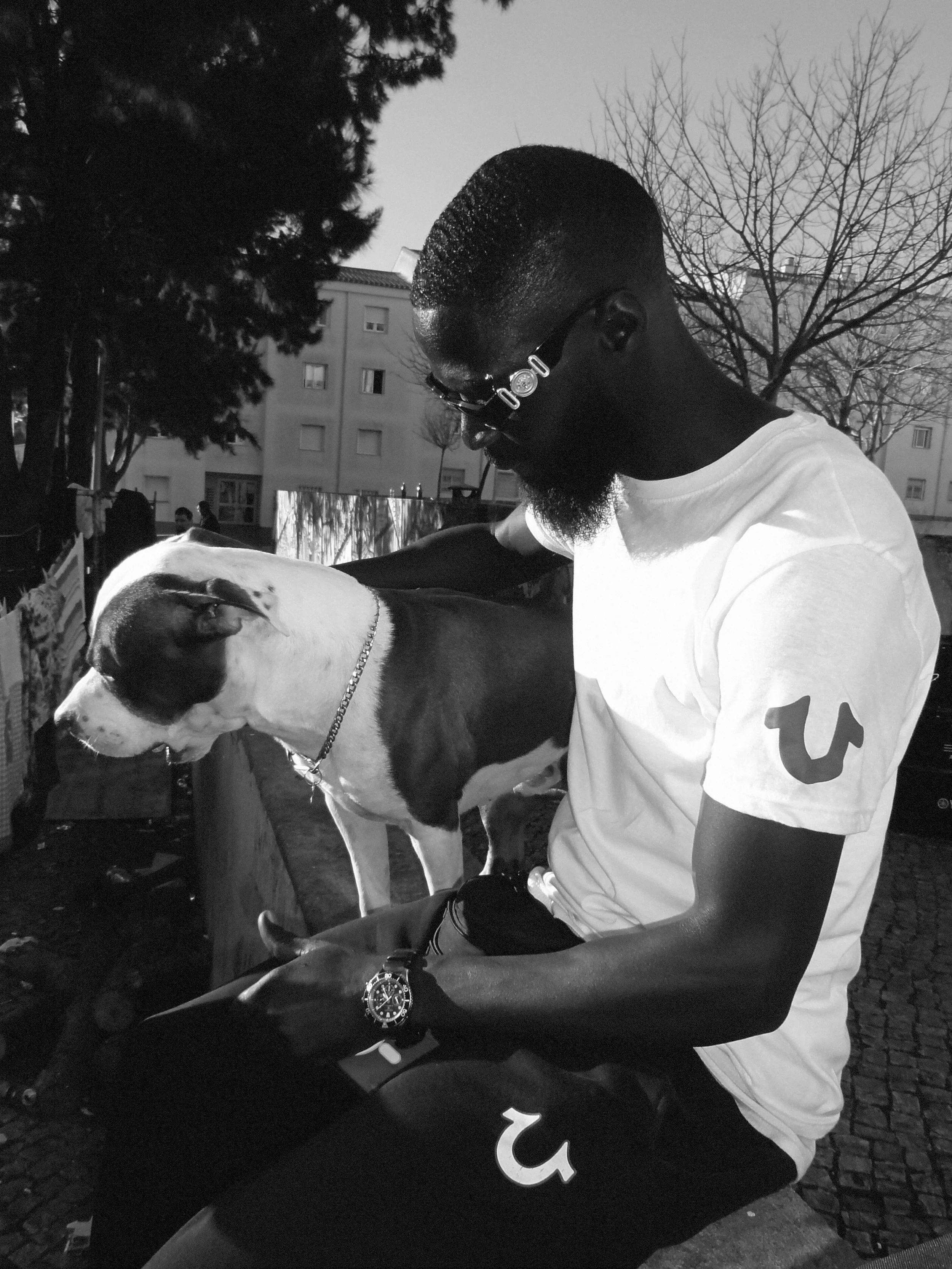
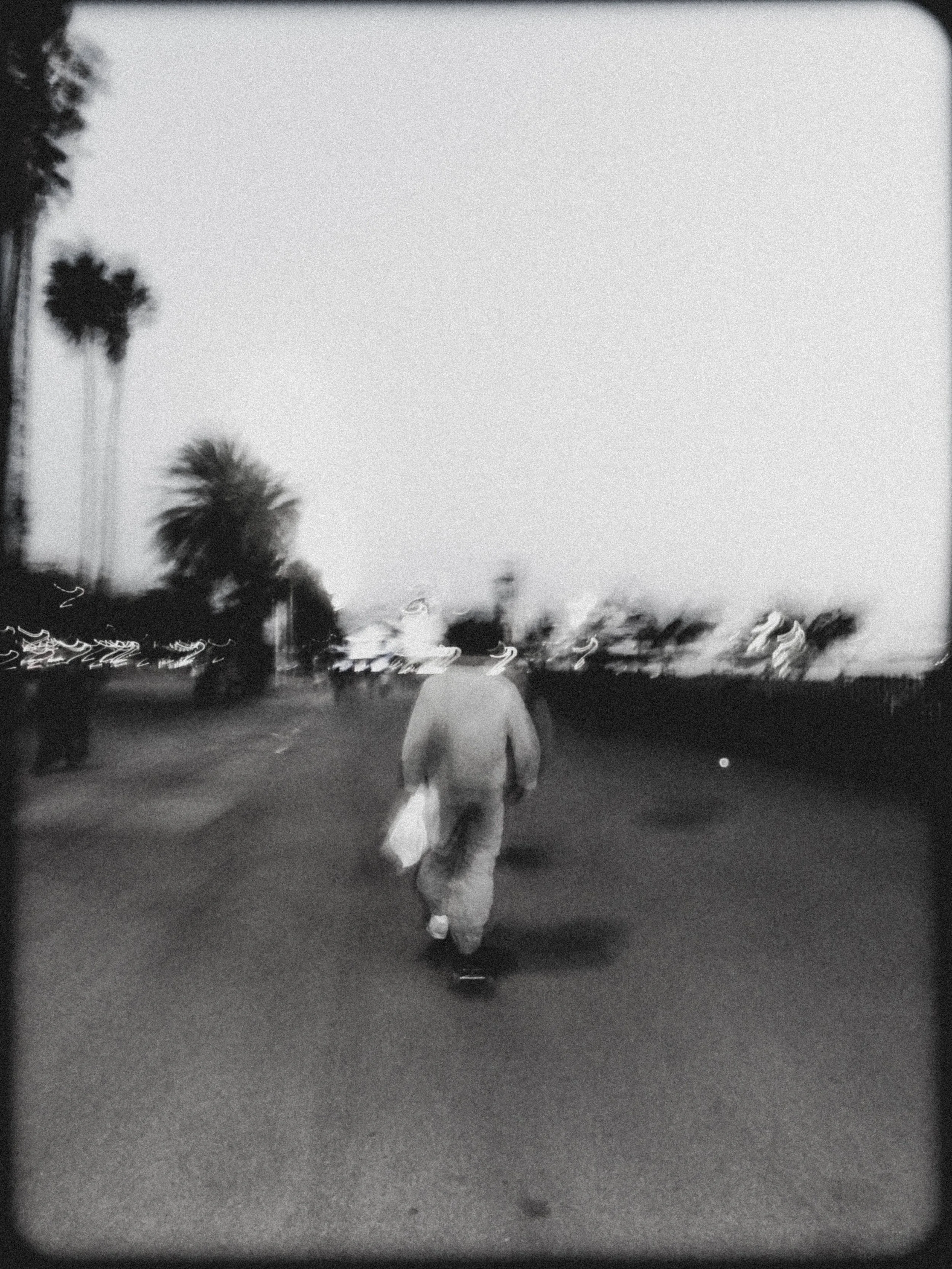

Tell us about your story with skateboarding, what age you were when you started to skate and how you first started to get involved in filming and photographing skaters?
I started skateboarding when I was about twelve, in Belo Horizonte, Brazil. A serious knee injury kept me from skating as much, and that eventually led me to another path: filming and photography. I was deeply involved in skateboarding, and documenting it became a way to stay connected to that universe, one that truly saved me from a violent and often harsh reality. Coming from the favelas and outskirts of Brazil, you often face a choice between pursuing a dream or simply surviving.
Skateboarding is a community all over the world, why do you think skaters can come together from anywhere, and create strong connections immediately?
I believe skateboarding has always been a space for connection and creativity since it began. Over the years, fashion, music, and even the way people behave have been deeply shaped by skate culture and its history. Today, with things like the internet and social media, it’s our responsibility to keep skateboarding’s essence alive, as an art form and a way to express yourself, not just for the Olympics or big prize money. At the same time, we should use these tools to open doors for newcomers, while never forgetting those who started it all out of pure love. They deserve to thrive too and be part of this new world of skateboarding and everything it can offer.
What does community mean to you personally within the skate scene?
Like I said before, skateboarding has always been a space that values sensitivity and love for what we do, and for everything around it; friends, places, experiences, and respect for cultures and histories. I really believe that at its core, this is what allows any movement or community to thrive and truly share its message with the world.
What do you think makes skateboarding such an open and welcoming culture?
When it comes to choosing what to document, it’s something very natural. I personally believe that all art and ideas start away from the spotlight, without glamour, and often even without any records. I photograph my friends, the women from my neighborhood, the movements I take part in and try to support. As a Brazilian immigrant living in a country that has historically deeply influenced the way my people’s identity was shaped, I see how our stories and traditions are sometimes used merely as aesthetic products. In my art, I always aim to show the other side; the side that sees a fellow human being through the lens. Respect is always the main focus of any work I do, with or without resources, that’s what makes it truly art.
The greatest art, for me, is the way each person lives their life and overcomes their struggles. I think my people are rich with this kind of art that many seek, invent, or even take from us, but each in their own place: it’s an ancestral struggle.
How do you choose which stories or people to document in your films or photos?
I always try to bring out an identity that’s a little less “clean” or easily understood. I aim to create a connection with anyone who watches or observes my work. I actually enjoy it when people don’t fully understand it, or don’t even know if they like it or not. That’s exactly what I love. When something truly evokes a feeling in someone, it doesn’t really matter what that feeling is; that’s what matters most.
What emotions or messages do you try to capture through your lens when filming the skate community?
I believe that over the years, as skateboarding naturally rose in visibility, people started looking at it and seeing only what was already there, its capacity to influence and create impactful movements. Whether that potential was fully realized, I can’t say, and I wouldn’t dare to. But I do believe that today, skateboarding is a much more accessible and democratic tool, offering new perspectives on the world and on what it means to be human.
How do you think skateboarding has changed over the years in terms of community and inclusion?
I believe that skateboarding, and the street experiences it gave me, is what truly introduced me to the world: its music, films, fascinating people, and above all, the connections between people. Growing up in the favela and living a simple, often collective life, I’ve always valued this sense of connection, and skateboarding only deepened it.
How does the skate community influence your artistic vision?
Skateboarding has always influenced the way I observe people, their attitudes and behaviors, and this naturally extends to art and revolutionary movements, being the message expressed through life itself.
What message within your work would you like to leave for the next generation of skaters and artists?
I don’t think I have a specific message, but I believe in always respecting the unknown and being willing to learn from people and places; to listen, absorb, and always do what truly moves you. In the end, we are alone with who we are, and that should be our true art.
Writer:Ieva Dambrauskaite (@ievadambrauskaite_)
Copy Editor: Niall Carey (@niall.030)
