A New Form of Beauty: Dublin Youth Culture
If you’re looking to expand your art knowledge this year or discover something new, Dublin’s National Museum of Ireland would be a great place to start. Home to a variety of exhibitions and collections depicting Irish political, social, and cultural history, the museum offers a great amount of knowledge and information.
One of the most striking exhibitions currently showing at the museum is titled A New Form of Beauty: Dublin youth culture, street style, and subculture history, 1960s to 1990s, and was curated by Garry O’Neill. It is an expansion of 2024’s Teenage Kicks Rebellious Youth Subculture and Street Style in Dublin (1970s-1990s), an event which was hosted at Photo Museum Ireland.
The exhibition centres around O’Neill’s longstanding interest in Dublin streetstyle, and the project itself has developed over years of photography, press shots, and snapshots collected by ordinary people finding memories. The result of such curation has created a collage of young people discovering their own identities through fashion, style, and its relationship with politics and culture. It situates youth culture and fashion as serious history, an aspect which is often overlooked in traditional study of the past. The images in the collection are dated from the 1960s to the 1990s, a time in which Ireland was undergoing significant change, on a political, economic, and cultural level. For example, the country was deeply influenced by the church, strong conservatism, and economic struggle. For a lot of young people, the future was bleak, and self-expression was a particular way to explore identity and protest against such conservatism.
In the photos from the 1960s, mods pose with ease; mini skirts, set hair, and a lot of effort is evident. It was clearly a transformative experience to put such effort into your appearance and be able to walk out onto the streets with that self-expression, particularly at a time when differences and outspokenness were not the norm.
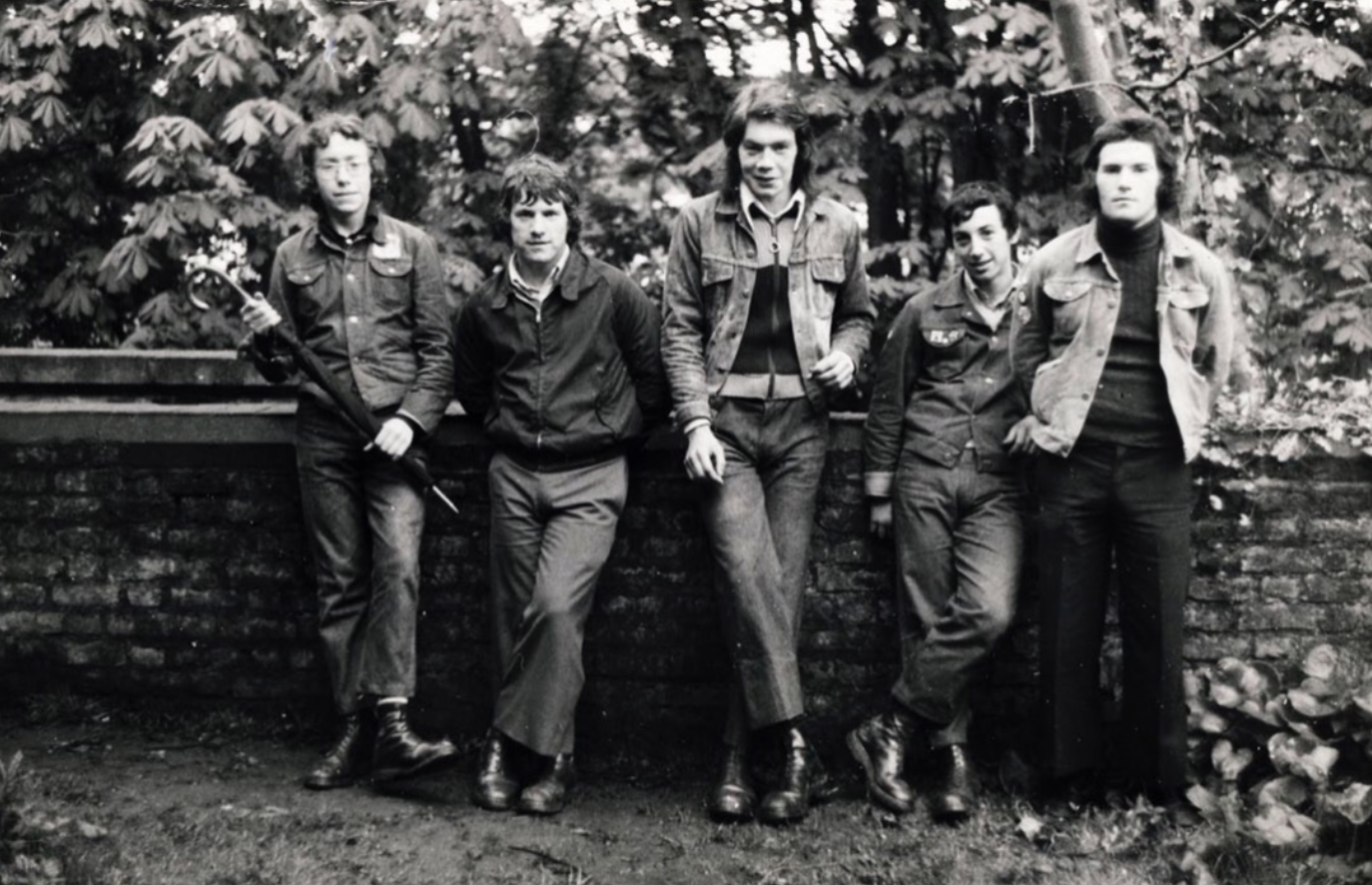
In the 70s and the 80s, punk arrived and switched things up again. Photos feature scuffed leather jackets and spiked hair, along with thick eyelines. Young people are clearly DIYing a lot of their outfits, using safety pins, paint, and hand-sewing clothes of their own. This shift in style is reflective of further economic recession and political unrest, acting as the catalyst for the punk movement; young people were responding to a life of stagnancy and helplessness, their frustration feeding their creativity. Fashion was also created from limited resources, given the financial difficulties, which again inspired the styles of the time.
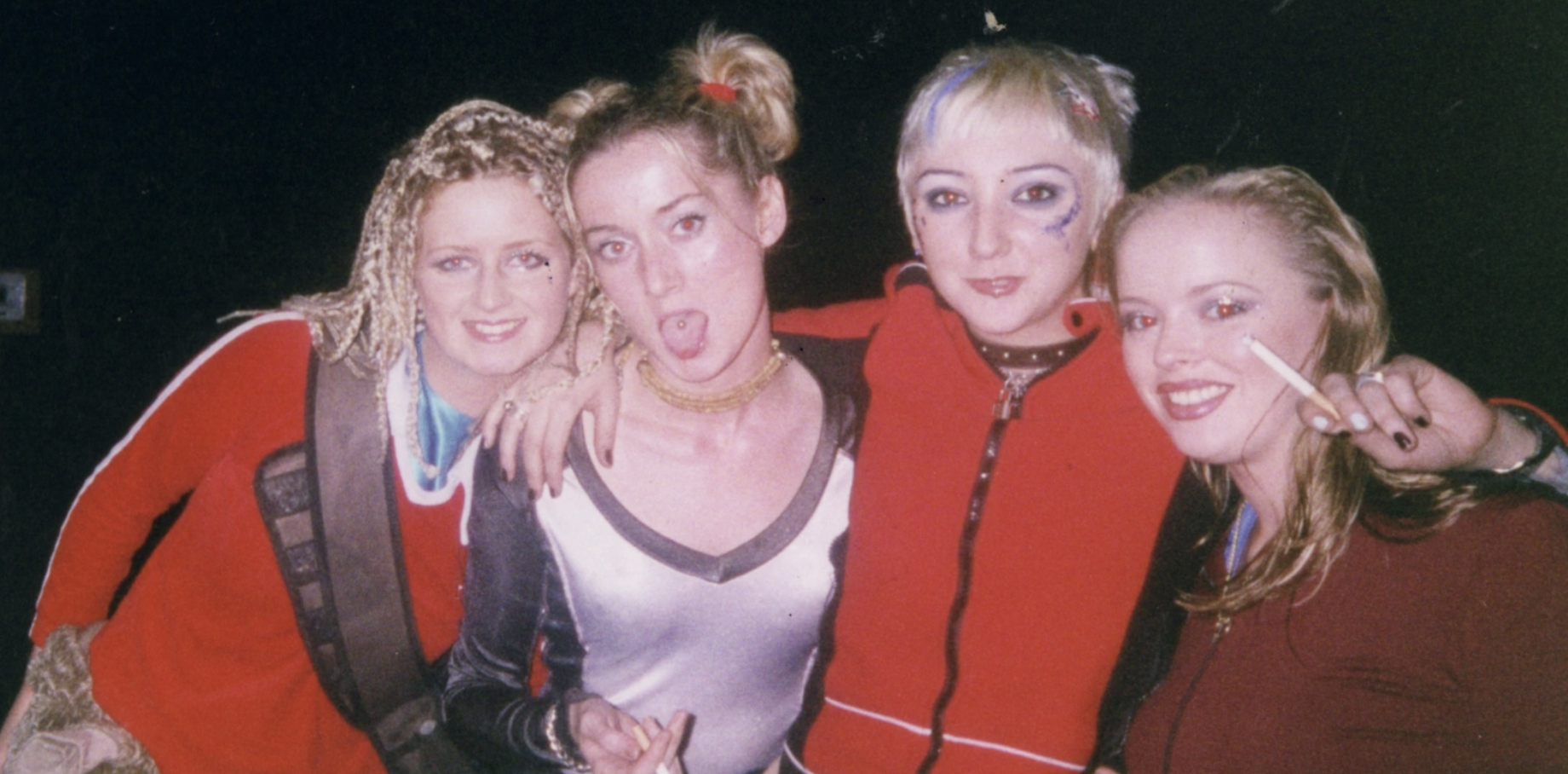
In the 1990s, Ireland was beginning to transform, on the edge of economic optimism. This is reflected in the photographs in which sportswear and rave aesthetics reign supreme. The shifting fashion, when interpreted within the context of the history of Ireland, clearly demonstrates the interrelationship between individual identity, politics, and culture, and the way in which all of these elements influence each other.
O’Neill’s archive is partly crowd-sourced, curated by contributions from the public as well as professional photographers. This creates a unique visual identity which reinforces the collaboration involved in creating and influencing culture. A vast majority of the people featured in the exhibition are everyday people, not celebrities or designers, but people who lived through these years and helped develop their own identity as well as build a culture that will become forever memorialised in this exhibition and others like it.
The significance of this collaborative methodology lies in the way it challenges conventional forms of memory and history; it redefines first what history means and how it is recorded, demonstrating the value of photos as a source of information and knowledge. As well as this, it calls into question who gets to record history and who is deemed significant enough to be asked.
In this exhibition, it is the everyday person who makes history; young people, workers, students, and everyone in between have been able to contribute to this exhibition and redefine history, directly from the source of the people who were experiencing it in an often overlooked context. This exhibition isn’t about the politics and culture of Ireland on a large scale. It doesn’t take place in boardrooms or offices or on a news-worthy level, but instead in the streets of Ireland, in the homes of everyday people.
Particularly in a social context such as today’s, this exhibition is striking in its authenticity. Now, self-documentation is a form of hierarchy, reflecting an idealistic representation of our lives more than the truth. These images, however, were taken with little regard for their social influence and more as a simple means of documentation. They provide us with an authentic representation of what it was like to grow up between the 1960s and 1990s, discovering your own identity in response to the ever-changing cultural context.
Ultimately, the collection inspires collective memory, the notion of self-discovery, and the representation of identity and culture, particularly in the political and historical context of Ireland. This exhibition by Garry O’Neill runs until March 2026 at Collins Barracks, and is certainly worth seeing before it goes.
Written by: Freya Dunlop @freyadunlop
Edited by: Niall Carey
