Inclusion Shouldn’t Have To Be A Category: BTS Says No to the Grammys
Is the Grammys’ new category really progress?
For years, the Grammys have tried to show us they are evolving. More fair and diverse voting bodies. More conversations around representation. On paper, this all seems good, right? But unfortunately, a difficult question must still be asked:
How can you celebrate diversity without putting it into boxes, without separating it?
This comes after the Grammys have revealed a new category, Best New Asian Pop Performance, and sits at the centre of BTS’s decision to not put forth their music for consideration.
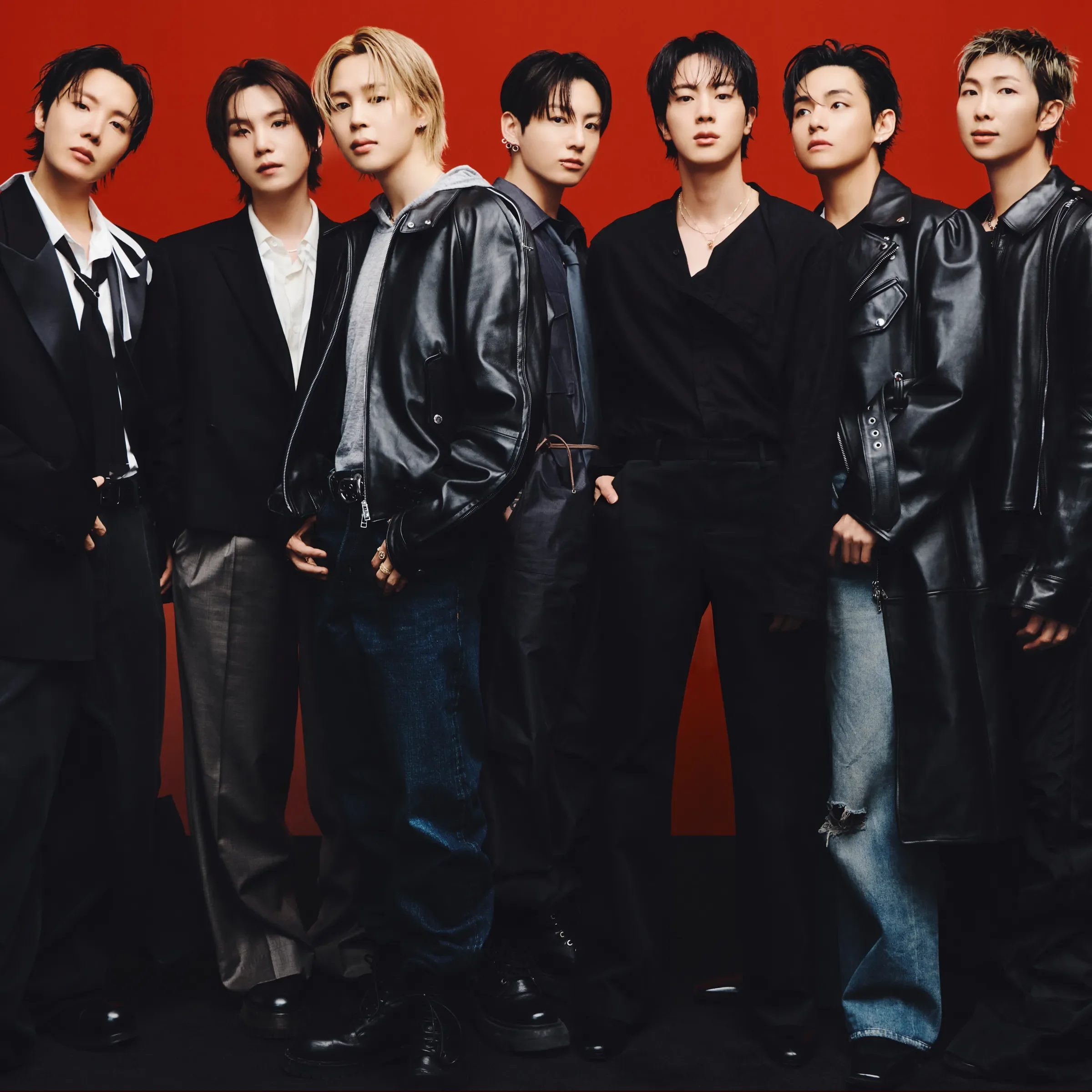
At first glance, this category seems long overdue. With the explosion of artists coming out of not only Korea, but Asia in general, it is no longer a niche phenomenon. Artists across Thailand, Japan, China, the Philippines and more have built international audiences that rival many Western acts. Recognition from the Grammys and other Western music awards seems inevitable.
So why is this new category an issue? Well, recognition and equality aren't always the same thing.
When you put an artist's region and/or language before the art itself, it can become a problem. These artists are deserving of recognition on their own, right alongside everyone else.
Unfortunately, this is not an isolated incident. Black artists have spent decades being shoved into the Rap, R&B and Urban categories, sometimes no matter the genre. Time and time again, their music is seen and discussed through race first, music second. Latin artists face a similar predicament. Their achievements are celebrated, and their influence is undeniable, yet many will still find themselves lumped into Latin-specific awards only, while the highest awards are held for their white, Western counterparts.
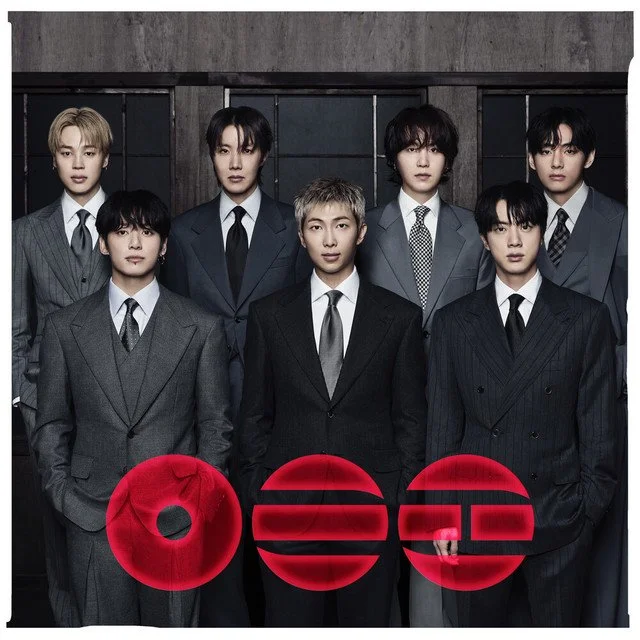
BTS 'latest album ARIRANG was predicted to win major categories at this year's Grammys. Their lead track Swim was a US number one song. Pulling out of the Grammys with predictions like this can only be seen as a brave move, putting their morals before this institution. It shifts the conversation away from accolades to principles.
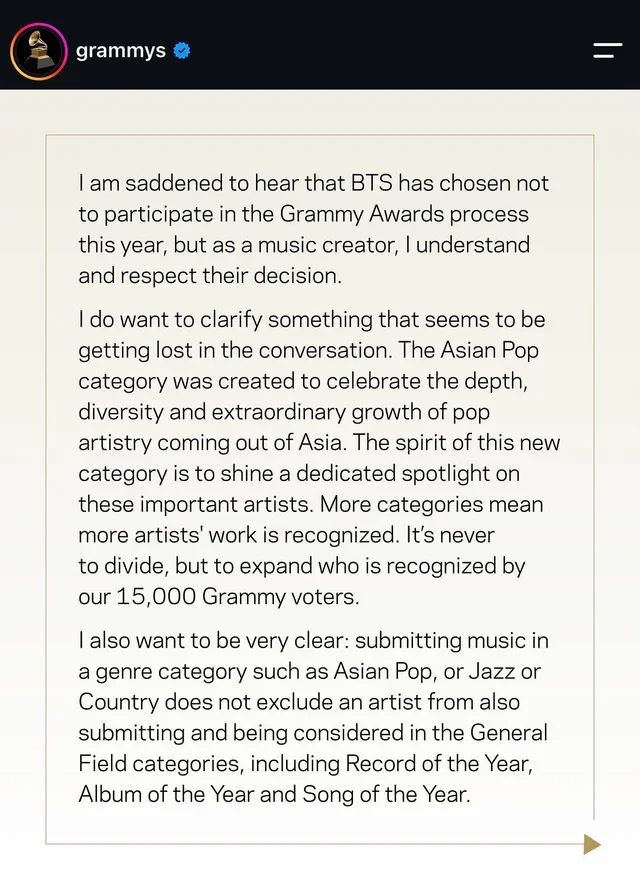
Recording Academy CEO Harvey Mason Jr. released a statement in regards to this decision via the Grammys Instagram, saying “I am saddened to hear that BTS has chosen not to participate in the Grammy Awards process this year, but as a music creator, I understand and respect their decision.
“I do want to clarify something that seems to be getting lost in the conversation. The Asian Pop category was created to celebrate the depth, diversity and extraordinary growth of pop artistry coming out of Asia. The spirit of this new category is to shine a dedicated spotlight on these important artists. More categories mean more artists’ work is recognized. It’s never to divide, but to expand who is recognized by our 15,000 Grammy voters.
“I also want to be very clear: submitting music in a genre category such as Asian Pop, or Jazz or Country does not exclude an artist from also submitting and being considered in the General Field categories, including Record of the Year, Album of the Year and Song of the Year. Those categories remain open to any eligible recording, regardless of genre. Recognition in a genre category and recognition in the General Field are not mutually exclusive. An artist can absolutely pursue both.
“The Grammy organization is here to serve music and all the people who make it. As we continue to expand the reach, our membership and our awards, regardless of geography or language, I want to emphasize that we will continue to listen to the global music community and work to honor and celebrate all the artists whose music moves the world.”
BTS have already broken records, had chart-topping songs and albums, and sold out stadium shows. They do not need another award to validate their major success. Ironically, their hit single “SWIM”, which debuted at no.1 on Billboard Hot 100, is all in English, which would have excluded them from winning the new Asian Pop category.
This poses a question the Recording Academy will hopefully think long and hard about: what does inclusion actually look like? Is it just another category?
Written by: Louiza Moran
Edited by: Kirsten Baldwin
