Is Going Out-Out…Out?
Are we getting old, or is going out-out just not what it used to be?
The phrase itself seems to carry a sense of nostalgia and the familiar formula of pre-drinks, pub, club, kebab is losing its grip. Ireland has lost more than 80 per cent of nightclubs since 2000, with just 83 regularly active clubs now operating across the country. At the same time, Dublin is trying to build a broader night-time economy, with late night cafés, cultural events, alcohol-free venues and activities now forming part of the city’s after-dark offering.
The night out hasn’t disappeared. It has just become a little harder to define. What once meant following a fairly predictable route from one place to the next can now mean almost anything; a gig, a late dinner, an exhibition, karaoke, darts, or a bar where the absence of alcohol is part of the appeal.
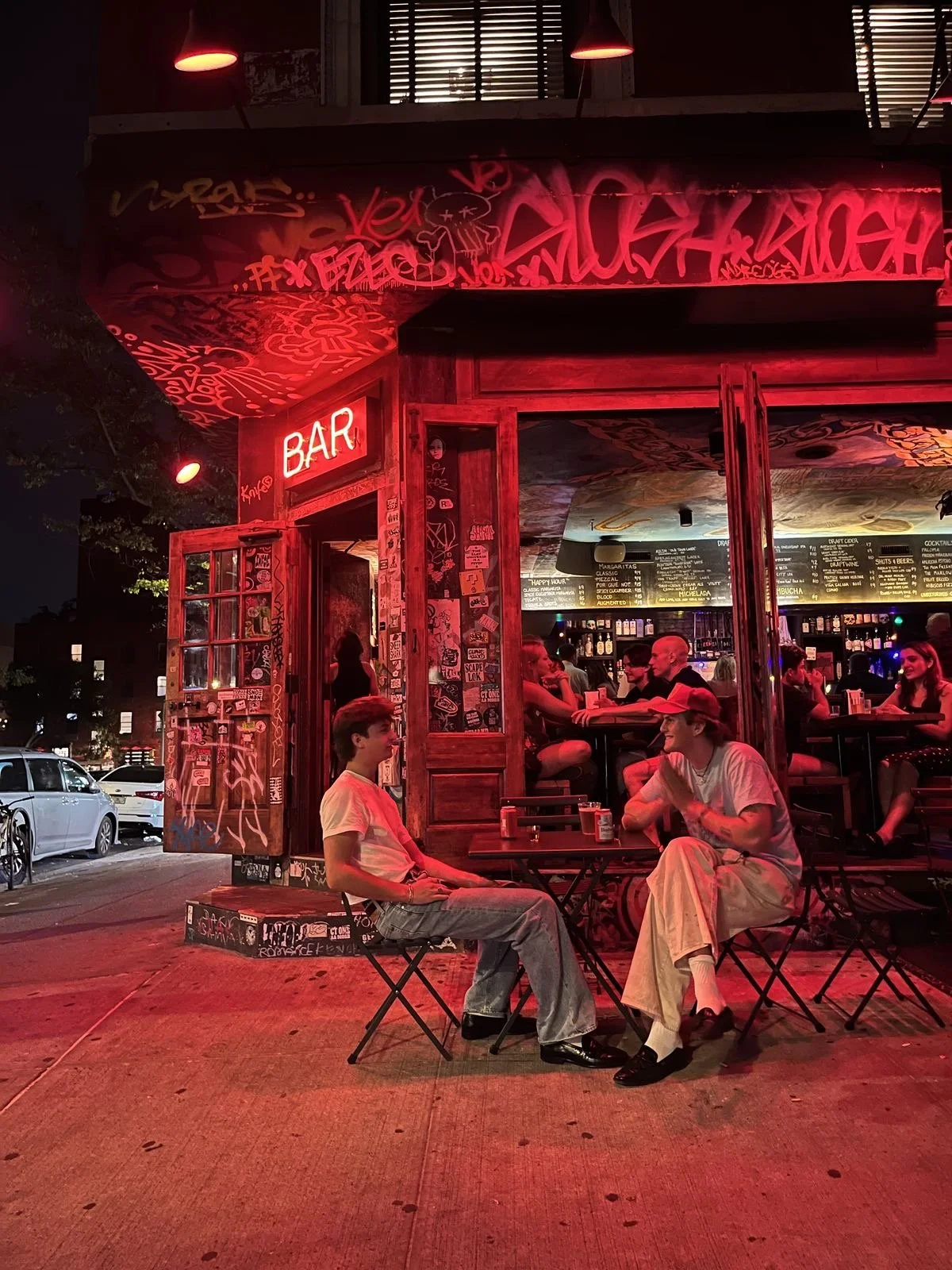
Somewhere along the way ‘let’s go for a drink’, stopped being the whole plan. Now there needs to be something else.
Perhaps the more interesting question isn’t why the old night out is disappearing, but what people are choosing to do instead.
The change can be seen in the way nightlife is being reimagined. In Ireland, the conversation is no longer simply, how do we keep the nightclubs open? There is growing demand for places that offer something beyond the traditional pub-club circuit; whether that means live music, a comedy night, art exhibitions, going for food, or simply finding somewhere to spend an evening without alcohol being the main event. This shift has been gradual, but it is hard to miss. And with the cost of a night out creeping higher each year, the price of a few pints and a taxi home without the kebab can start to feel like a fairly poor return.
Festivals, by comparison, have expanded into their own little universe of music, food, fashion, pop ups, wellness and art. Suddenly, there is more to show for your money and a lot more to talk about the next day. There is, admittedly, only so much of the year we can spend in a field. Festivals may have cracked the code, but what happens when tents are packed away and September rolls around? With the rising appeal of having somewhere to go and more importantly, something to do, there have been more options appearing around the city.
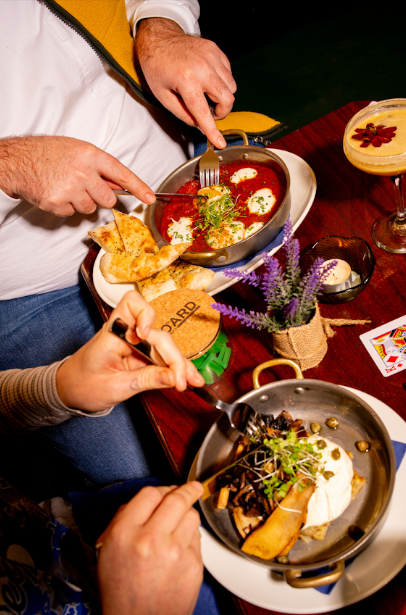
Cafés are beginning to stretch beyond their traditional daytime hours. Cultural spaces are opening their doors after dark and events are popping up in places that would once have had very little to do with nightlife. Dublin City Council's, Dublin Nights Mapped, is a fairly good indication of where things are heading, bringing together late-night cafés and other places to go after 6pm. The city’s, Dublin by Dusk programme has taken a similar approach by encouraging museums, galleries and businesses to stay open later, and host evening events.
It is a slightly strange thing to realise that you can now build a night out around pottery painting, a gallery opening or a late night coffee. But we seem to be less concerned with nightlife venues and more interested in whether there is something worth going there for.
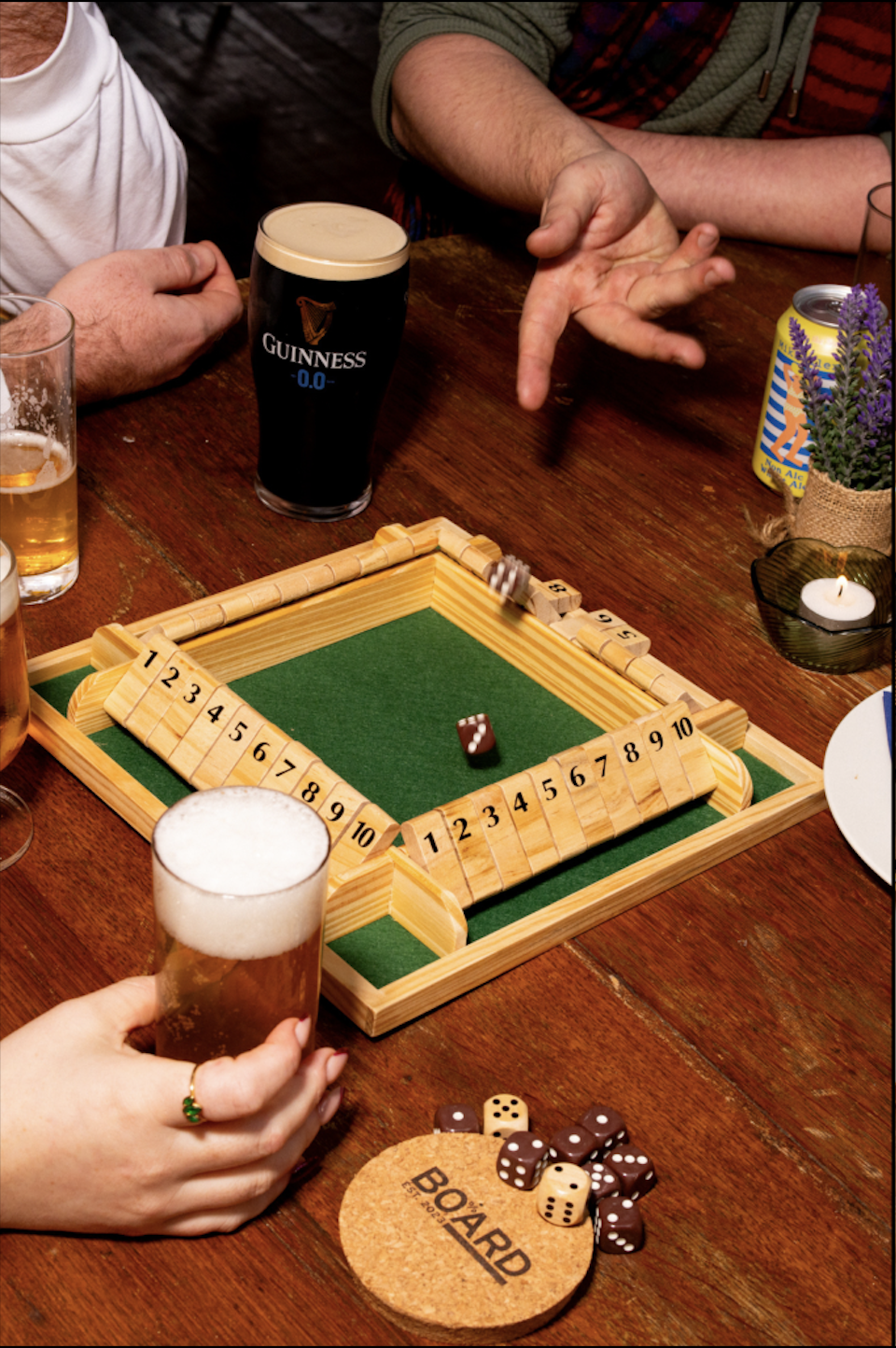
Some of the new options are even challenging the assumption that a night out needs alcohol at all. Sober raves and alcohol-free events have been appearing across Ireland, offering the music, dancing and social side of a night out without the trip to the bar. They are not necessarily trying to convince young people to collectively swear off the pint, they simply make it possible to take part without it. Ireland's first alcohol-free pub, Board, is a good example of where this is heading. Located on Clanbrassil Street, you can now sit in a pub without the booze. There are hundreds of boardgames to choose from, regular events and an amazing menu.
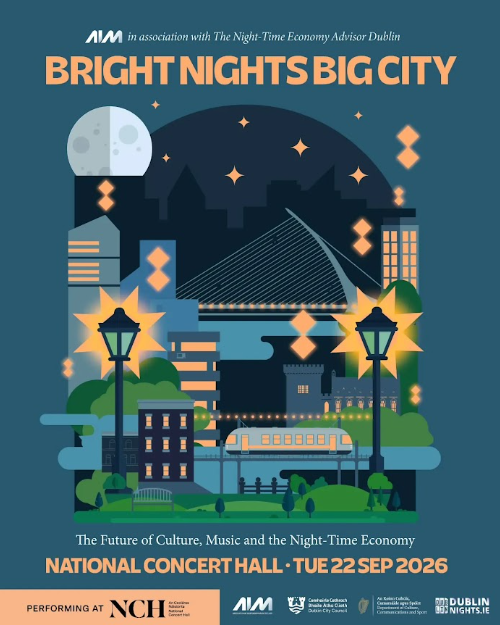
This conversation is now moving beyond individual venues. On the 2nd of September, Dublin will host Bright Nights, Big City; a conference bringing together people from music, culture, hospitality, tourism and city development, to discuss what the future of the night-time economy could look like.
The focus is no longer solely on keeping people out later, but how they can create a city that has something to offer past 5pm.
Written By: Leah Murphy
Edited By: Hazel Hunter
