The Past Is Still Present in Donavan Kwame’s Photography
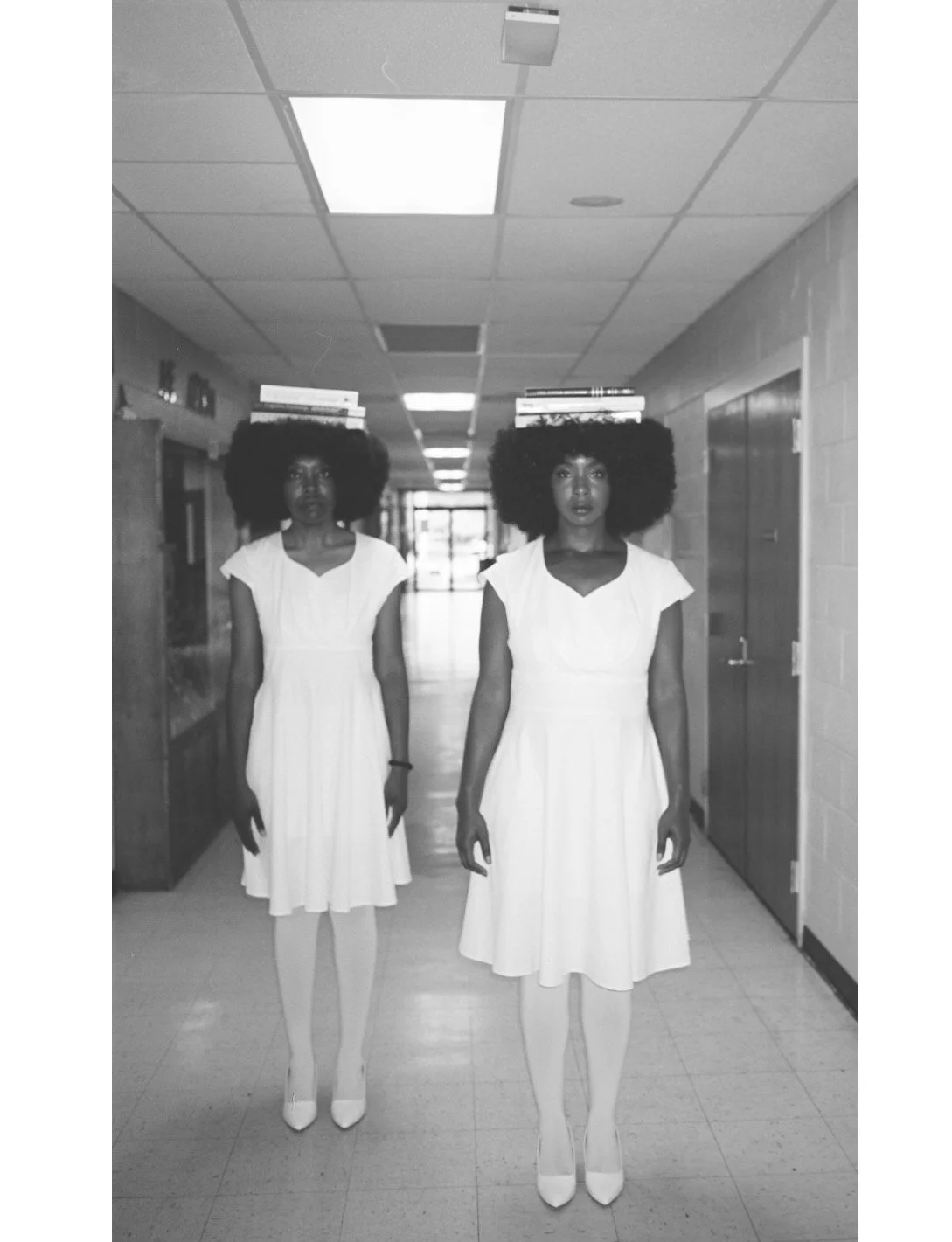
We have never produced more photographs, yet fewer images seem built to last.
They are posted, scrolled past, briefly liked and almost immediately replaced. A photograph can document a birth, a protest, a death or an afternoon and still become one more image competing for attention on a screen. The camera has never been more present in everyday life, but photography itself can feel strangely disposable.
Donavan Kwame wants his images to be held.
The South Carolina photographer works between documentary and archival photography, creating images rooted in Black history, memory and life in the American South. His work does not simply record what is in front of him; it returns to histories that have already taken place, recreating and reimagining them so they cannot be quietly forgotten.
For Kwame, photography begins with truth.
“I’m not really an artist that is trying to be liked,” he explains. “I’m really just about the truth, and the dynamics of what the truth means.”
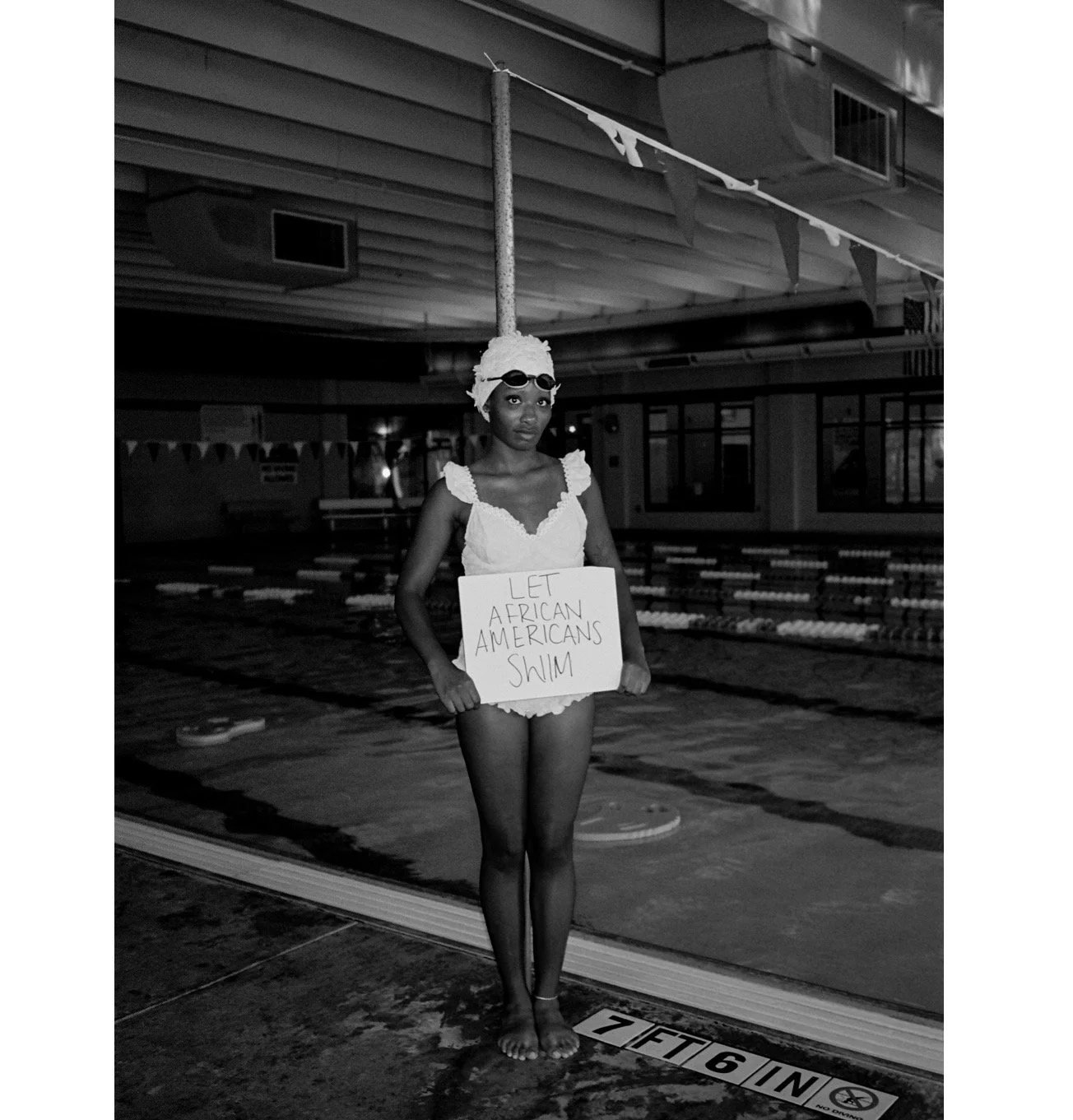
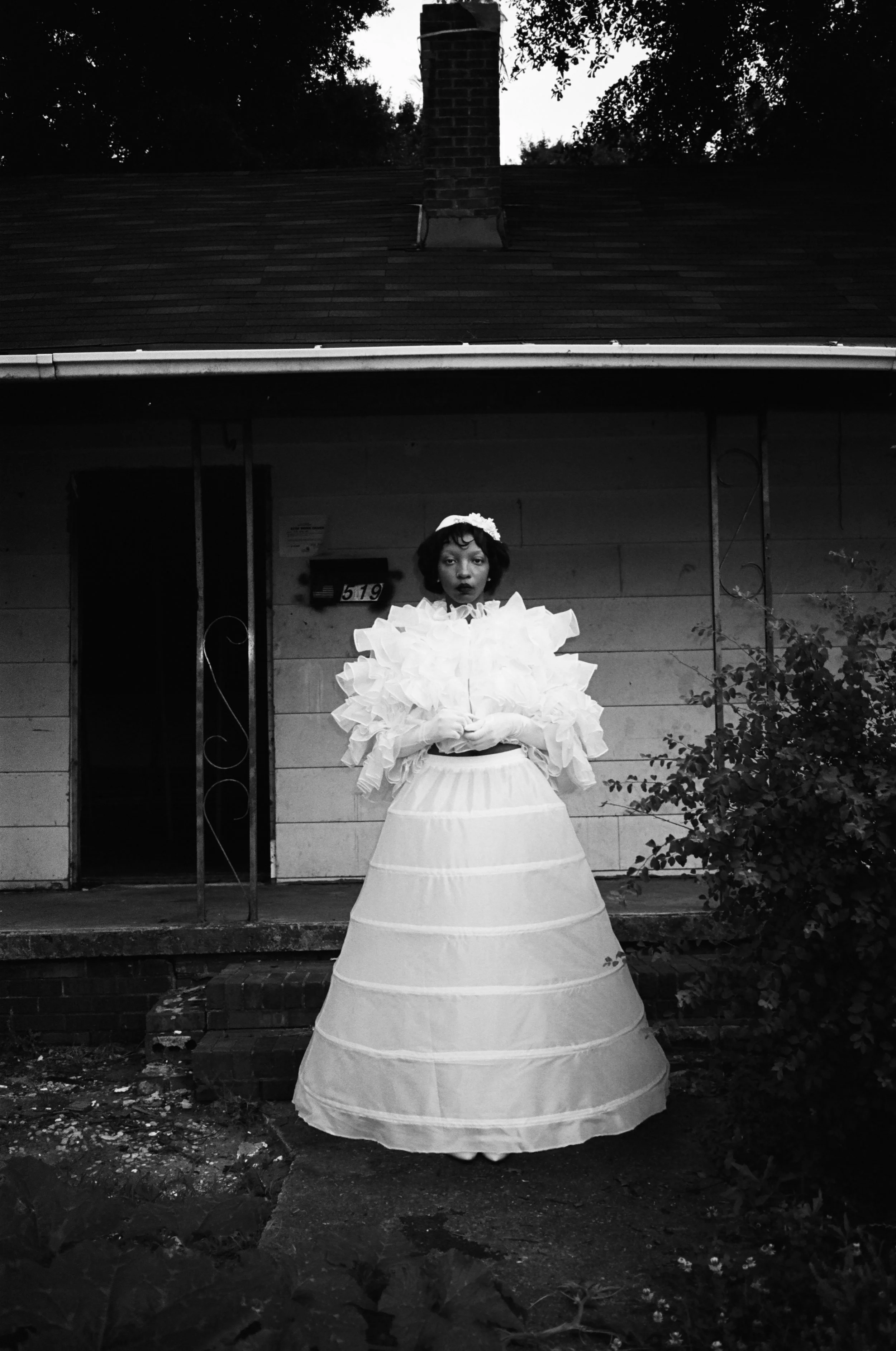
That distinction runs through his portfolio. His photographs are visually striking, yet beauty is rarely their final purpose. They carry the weight of the histories behind them; Southern churches, abandoned buildings, racial violence, family memory and Black life, beyond the narrow stories through which it is so often represented.
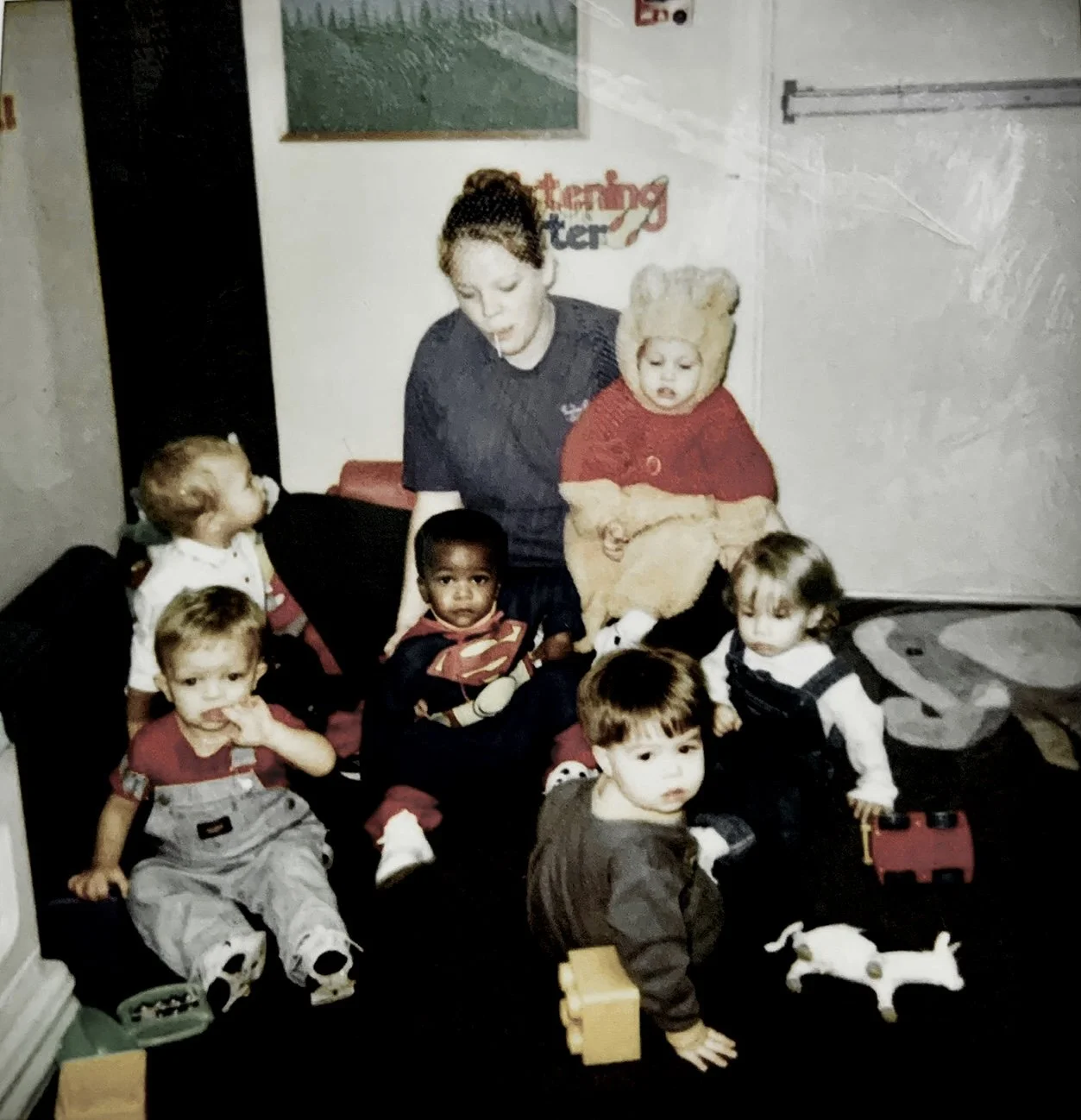
His series Echoes of the South, traces that history back through his own childhood. Raised in South Carolina and brought up in the church by a deeply religious family, Kwame began by returning to the places, people and images that shaped him.
“Sometimes you have to do that as an artist,” he explains. “Go back into the past and see where this all started from.”
That process of looking backwards allows Kwame to create images that feel suspended between the past and present. History is not treated as something finished or safely contained within museums. It remains visible in landscapes, buildings, generational trauma and contemporary life.
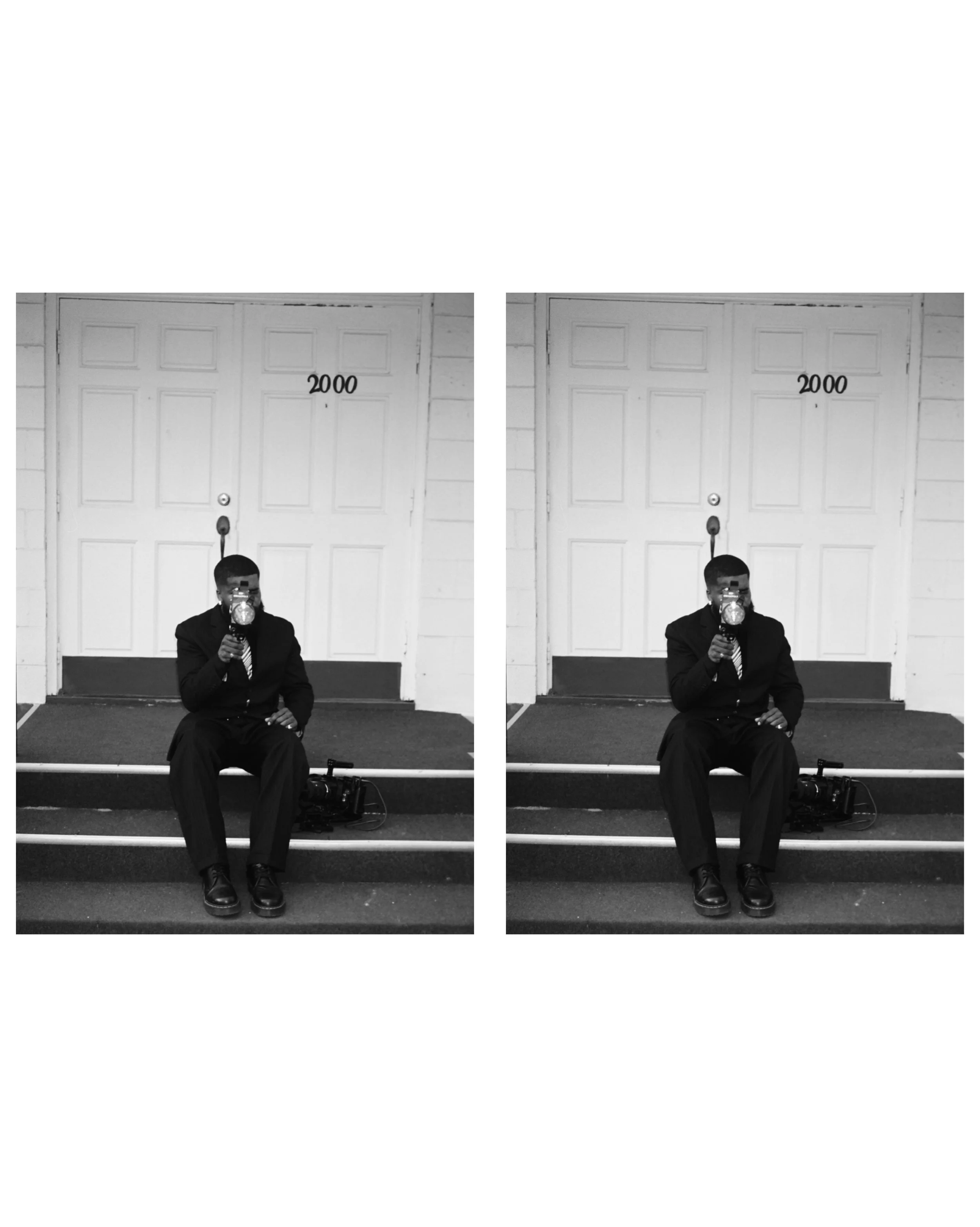
Kwame has only been practising photography for three years. In that time, his work has moved away from the colourful images he initially believed his audiences wanted and towards the emotional black-and-white photography that now defines much of his practice.
The shift came when he stopped hashing what the market might respond to and began asking what felt honest.
“I had an emotional side to me that I needed to tap into,” he reveals. “I had to start doing things for myself that I really, truly love instead of doing it for everybody else.”
We spoke to Kwame about growing up in the American South, recreating difficult histories, finding honesty through black-and-white photography and making images that deserve more than a passing glance.
What first drew you to photography?
“What’s crazy is that I used to be an athlete. I played football all my life, right up until my senior year of high school, when I got injured.”
“Through all of those years, I was always the athlete who wanted to see what my pictures looked like after the game. I would always be trying to find the photographer. Wherever he was, I wanted to know, because I wanted to see the photographs.”
“I knew I had an interest in being behind the lens at some point. I would see the photographer on the sidelines taking pictures of me and think, ‘Man, that might be me one day.’ I didn’t know what style I would be doing, but I knew that was going to be me.”
How did Echoes of the South begin?
“Echoes of the South is rooted in my childhood. I was raised in the church, within the Southern roots of the church, and there were a lot of things I saw through being around my grandmother. She is now 92 years old.”
“I felt like I had to go back into my childhood and really see where these roots started. Sometimes you have to do that as an artist. You have to go back into the past and see where everything started, because I knew I had something within me.”
“From there, I started branching into more provocative work. I always try to remain true to my roots because my family is very religious. I don’t want the work to be provocative without an understanding behind it.”
“But I also realised that my work is going to make some people upset.”
Is there a particular image from the project that remains especially important to you?
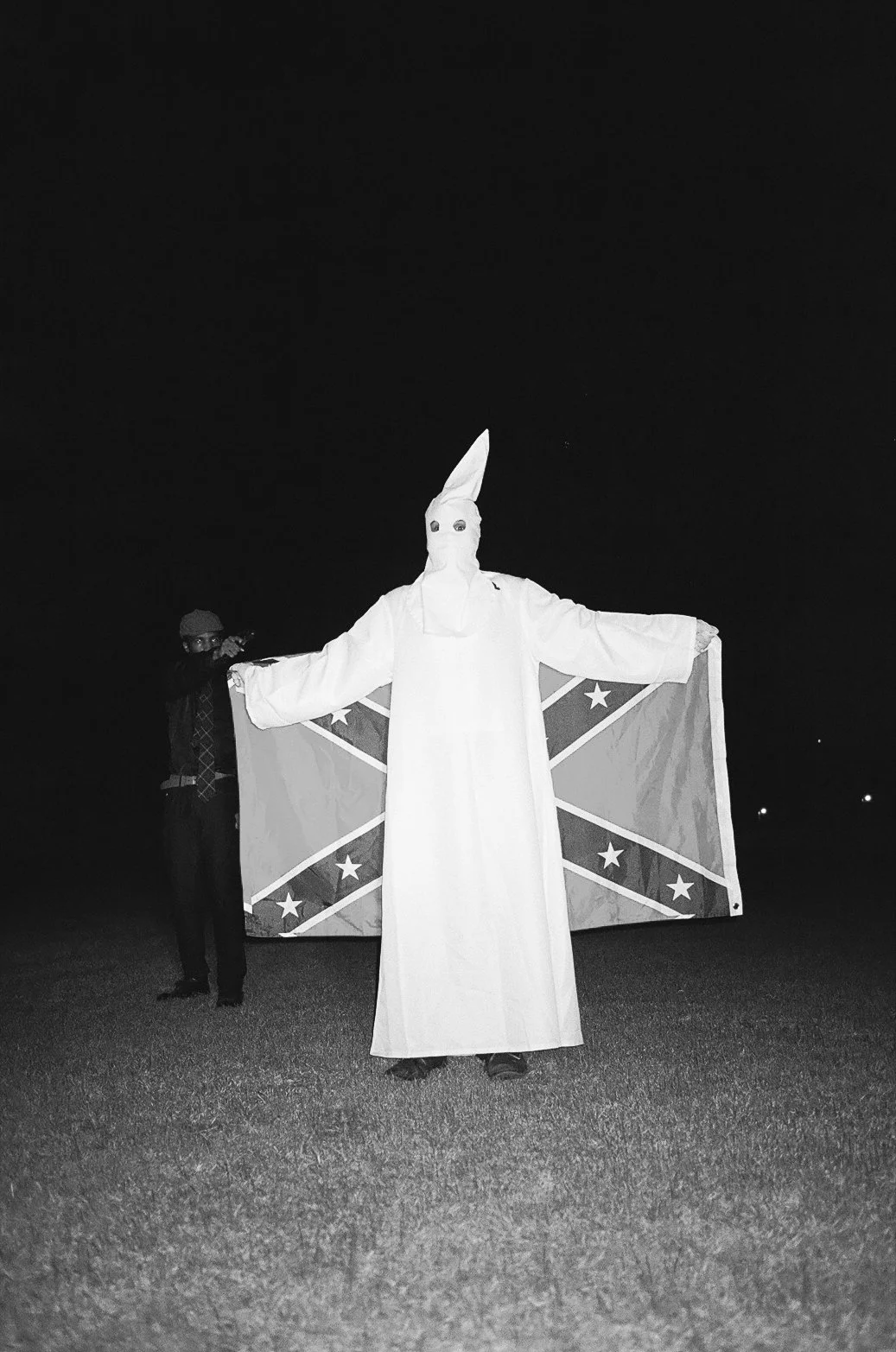
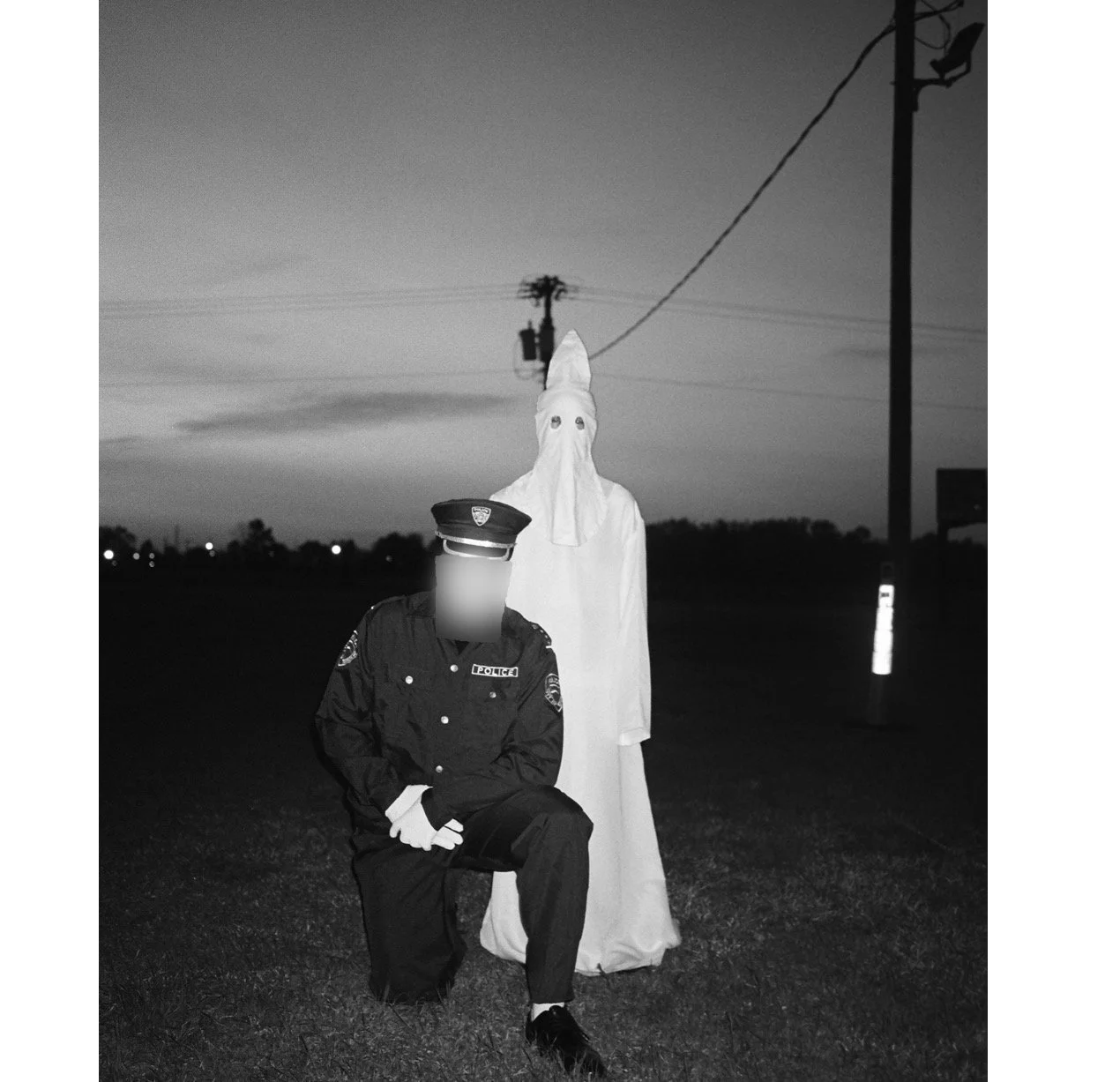
“The KKK image with the Black man behind him. Racism is still a major issue in the world today. People across different cultures are struggling with racism and stereotypes. I would say the KKK piece is probably my favourite piece of all time.”
“Social studies was my favourite subject in school. I studied the KKK many times, as well as the Black men who went over and introduced themselves to KKK members.”
“With the KKK, it is about what they did and the actions they created. I think that still shapes us today because it continues to linger in certain forms.”
The image is staged, but the history is not. By reconstructing the scene, Kwame refuses to present racism as safely confined to the past.
“When I was out there making it, I was low-key terrified,” he says. “I knew I was doing something that would shape the history of my art.”
“We also had to be careful because we didn’t want people to think it was an unstaged documentary image.”
His staging does not attempt to disguise reality. Instead, it returns viewers to realities at risk of being flattened by time.
How do you approach staging and directing your photographs?
“I like to do it in a way that gives a real feeling.”
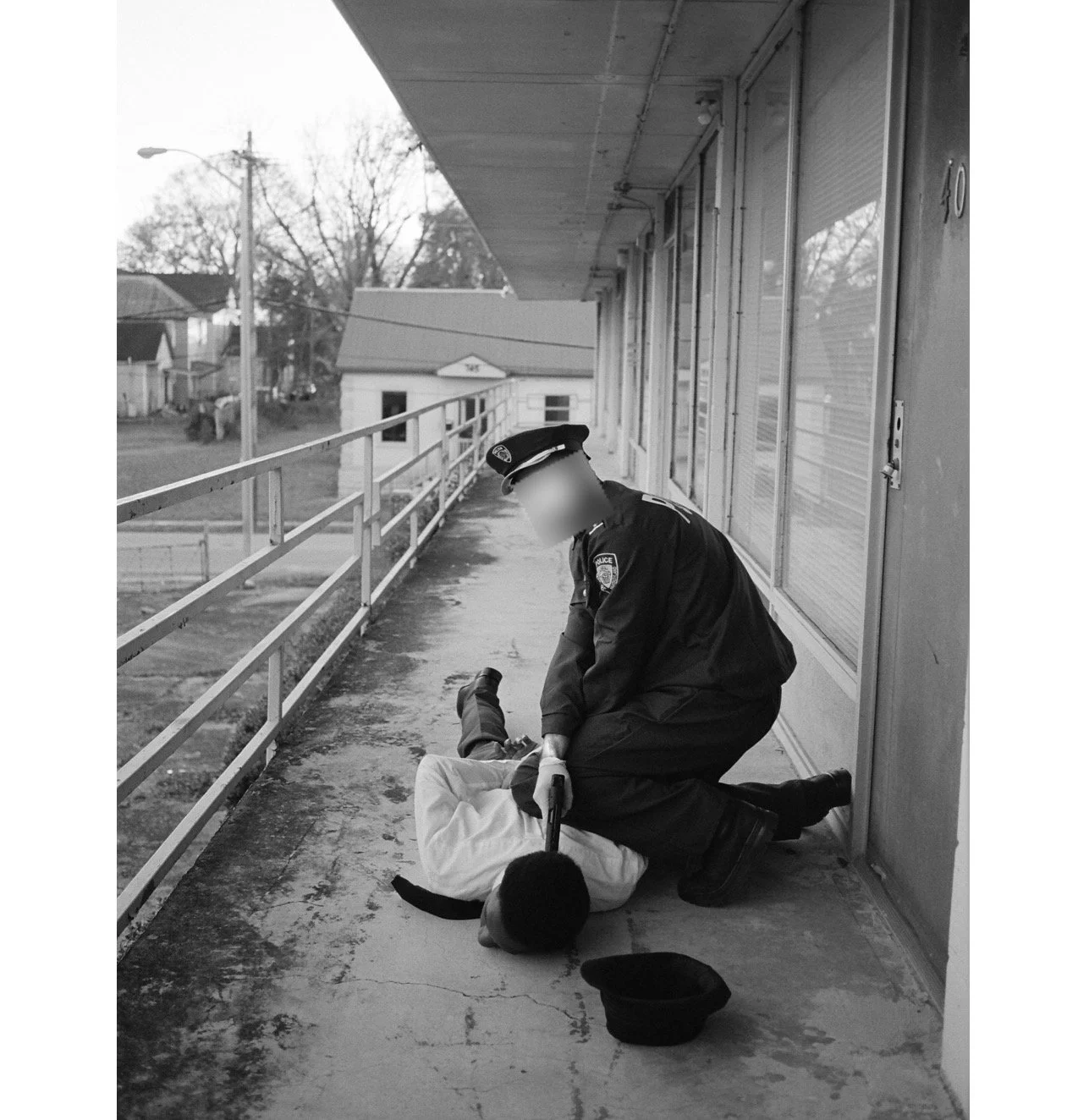
“I work with paid actors and people who are willing to help me create the art. I explain what I’m trying to do, and they are willing because they understand what I’m trying to communicate.”
“Out of respect, I still blur their faces. I don’t want the work to hinder anything they have going on in their lives.”
The process can be emotionally complicated, particularly when someone is asked to occupy the role of a police officer or another threatening figure.
“I sometimes wonder how that person might feel being on that side of the spectrum,” he says. “It is tough sometimes, but you have to be bold in order to get a point across.”
What do you hope someone takes away after spending time with your work?
“I think we have to start being genuine and truthful to our emotions.”
“We struggle with that in society today. A lot of people are not truthful because they are trying to get something out of life, so they may feel like they don’t need to be honest or genuine about how they feel.”
“The more genuine you are with yourself, the more you can tap into who you really are. You can also inspire somebody else, because you never know what people are going through.”
“Somebody could be struggling with their mental health, and you don’t know how your photograph, your singing or whatever you are creating might impact their life.”
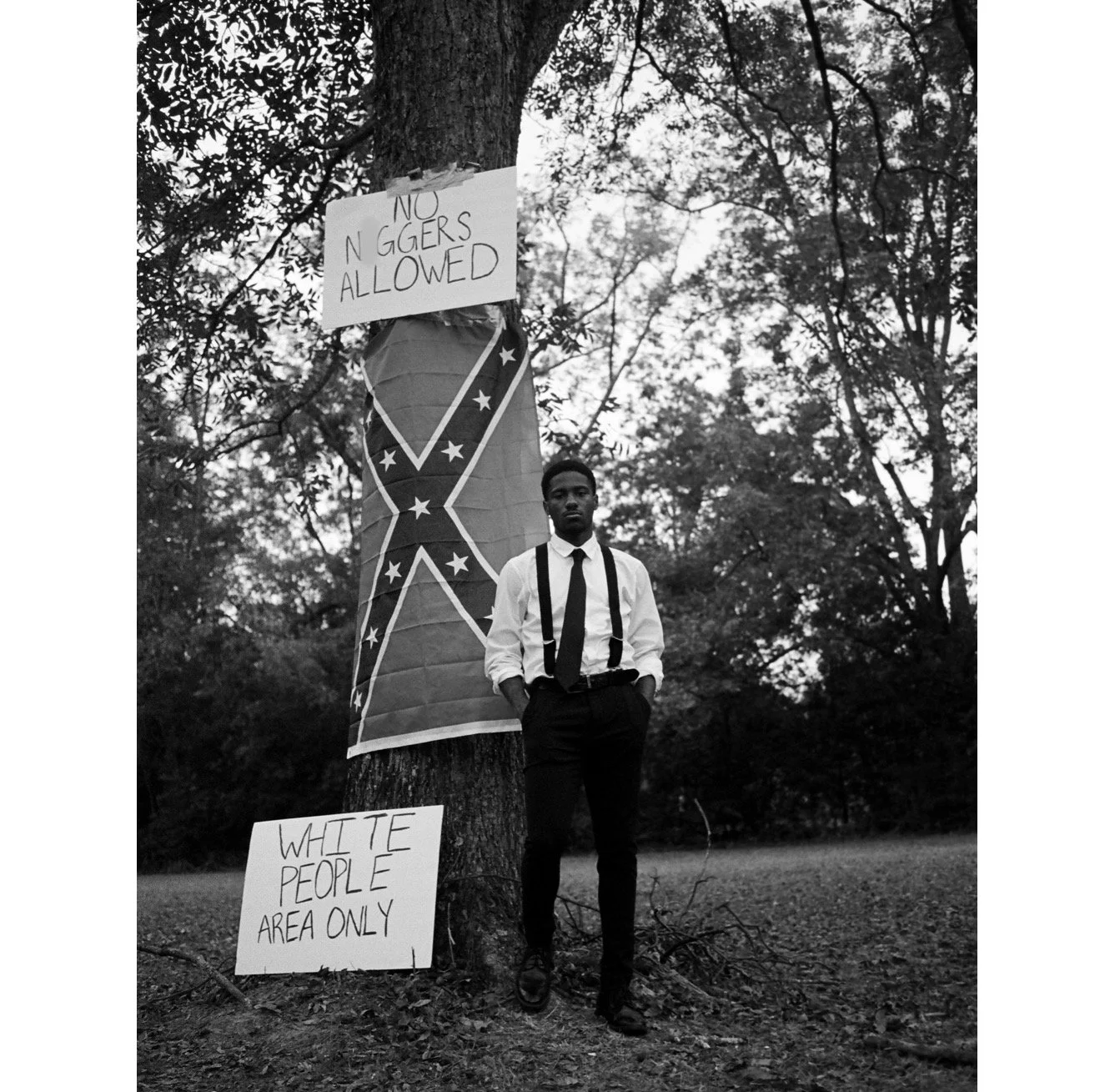
Kwame’s work is not comfortable, nor is it designed to be. He has been told that it is too triggering, too extreme and too dangerous. At times, those reactions have made him consider leaving photography entirely.
But discomfort does not necessarily mean the work has gone too far. Sometimes it means it has reached the place it was intended to touch.
“People tell everybody to keep going, but it is hard out here to keep going,” he explains. “When you can’t see the path of where you’re heading, sometimes you have to return to your roots and remember why you were doing it in the first place.”
For Kwame, returning to the roots is both artistic method and creative advice. It means returning to South Carolina, to childhood, to the church, to his grandmother and to the histories embedded in abandoned places.
“People didn’t understand it. They would say the work was too triggering, too extreme or too much.
“But I had to ask myself: what was I put on this earth to do? Was I put here to inspire, or was I put here to shut my mouth?”
Written by: Holly Warren
Edited by: Hazel Hunter
