For many people, poetry has been relegated to something that belongs in old books, school anthologies or rooms that only the people that seem to “get” it are allowed to be in. I think it's often seen as something formal, read out of thick, damp-smelling books with gilded edges, memorised and quoted, instead of actively created and experienced. For the people who still enjoy it but believe it is ultimately a thing of the past, poetry isn't dead; you're just looking in the wrong places. It may not be filling lecture halls or making headlines, but it has found a different home.
The pub.
It can be argued that poetry has always resided in the pub; it has always been a cultural space full of conversation, storytelling, trad songs and ballads. While these forms of expression might not always have been labelled as poetry, they share many of its qualities: rhythm, emotion, and the ability to capture the human experience and build a creative atmosphere. The presence of poetry isn't changing, just its superficial form.
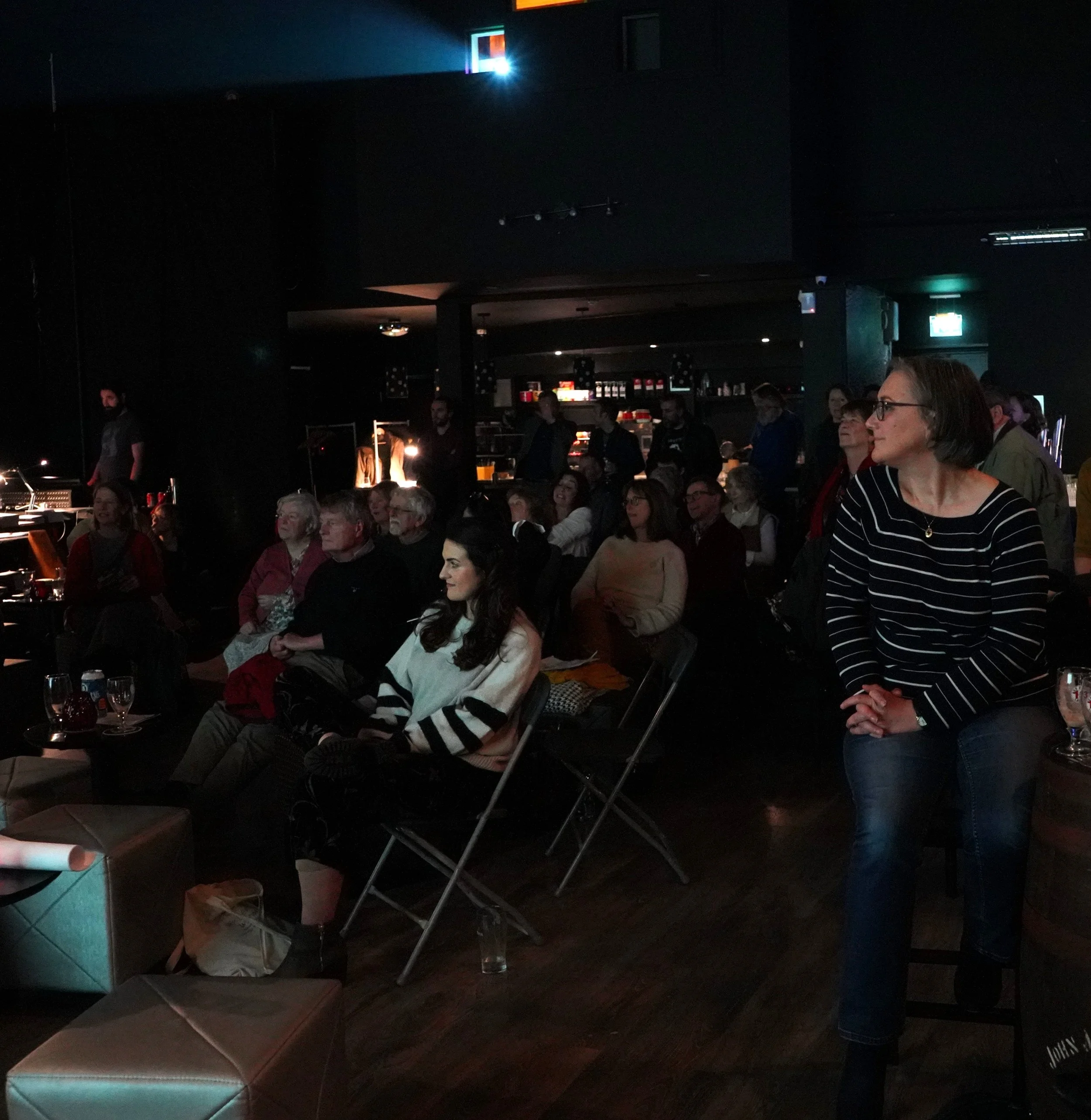
Traditional storytelling has now transformed into organised events, spoken-word performances and open-mic nights as a new generation takes to the stage. Rather than being confined to mandatory school reading or traditional circles, these events have let poetry infiltrate ordinary life over the past couple of years. The pub offers an informal atmosphere that allows people without a literary background or established work to be heard. It allows emerging artists to experiment and learn without the heightened expectations that many of the traditional literary spaces sometimes hold. The pub is not a venue for just poetry, it's been helping it become more accessible, spontaneous and alive.
One of the most notable outcomes of this revival has been the generation of young women finding their voices through poetry. Moving away from the traditional image of the poet as an established writer with a published collection, young female poets are sharing their work in pubs and small venues. This work is often deeply personal and reflective of their experiences. Their poetry explores everything from relationships, identity and growing up to wider social issues, giving voice to experiences that might otherwise go unheard. Rather than allowing their writing to remain private, these women are choosing to share it with strangers, turning personal thoughts into collective experiences.
Many events have been taking place across the country as a result of this. In Cork, award-winning poet Victoria Kennefick was featured at Ó Bhéal go Béal, a regular poetry night held in the Hayloft above the Long Valley Bar, where established poets and emerging writers share the same open-mic platform. Further west, De Barra's Spoken Word in Clonakilty provides a space for writers to share poetry, short stories and original work. In Waterford, SpeakEasy Poetry and Open Mic welcomed Tipperary poet Eleanor Hooker as its featured guest in February 2025, combining her reading with an open-mic session for local writers.
Meanwhile, in Limerick, the First Wednesday Series at the White House Bar continues to bring together established and emerging poets for monthly readings. These events, scattered across the country, demonstrate that poetry is not simply surviving within the confines of traditional circles; it is being actively shared in local communities, helping people who didn't have any creative outlets to find their voices.
One of the differences between poetry and spoken word is the way an audience experiences it. When someone reads a poem quietly by themselves, they can hear the poet’s voice in their mind. Every pause, every shift in tone, every change in expression adds meaning to the words. The reader feels the rhythm and emotion as if the poet were speaking directly. In this way, the poem becomes personal and intimate.

A poetry night is not just a person standing at the front of a room presenting their work; it is an opportunity for people to recognise their experiences through somebody else's words. Poet Natalya O’Flaherty described the immediacy of the word in an interview with RTÉ Radio 1: "You're speaking, and people are listening to it, taking it in right away." Unlike reading a poem, a live performance creates a shared moment between the person speaking and everyone listening.
Dublin spoken-word artist Caoimhe Weakliam explained this in an interview with Stellar Magazine, saying her poems "needed to be spoken" because she was "writing them to be heard not read." Her words show a change in how people are approaching poetry. It is no longer something that has to stay in your diary or be understood in a classroom. It can be performed, shared and experienced by anyone. Weakliam also argues that page poetry can sometimes feel academic and exclude people, highlighting how spoken word can make the art form more welcoming.
This link between performer and audience is especially important in the pub setting. The supportive atmosphere at these events can also encourage people who might otherwise be nervous about sharing their writing. Poet Erin Fornoff has spoken about the enthusiasm shown towards performers who are taking a chance or beginning their journey, saying: "If someone is taking a risk or is new, just starting, people are relentlessly supportive and enthusiastic." This sense of community and lack of judgement is part of what makes mic nights so appealing.
Social media has also helped spoken-word poetry reach audiences beyond the rooms in which it is performed. Short videos of poets performing have been shared widely, allowing their work to reach people who may never have attended a poetry night. This is especially valuable for performers, who can use online platforms to share their writing and discover others doing the same. However, the experience of watching a performance online is different from being in the room while it happens. In a pub, the audience's reaction becomes part of the event, whether that means laughter, applause, or a moment of silence.
I think it's poetic that poetry has found itself in the pub; no matter how pubs have changed over the years, the tradition of using words to connect with others remains. At Ó Bhéal in Cork's Long Valley Bar, poet Molly Twomey described sitting in the pub and watching strangers write, capturing the quietness that can exist in a place usually associated with conversation and noise.
Poetry isn't dead; it has simply found voices and new ways of being heard. From established poets to first-time performers, these events show that poetry does not need to be confined to books, classrooms or formal literary festivals. It can happen above a bar in a room between conversations and over the sound of people enjoying a night out. Poetry isn't dead; it just went to the pub.
Written By: Lucy Donnelly
Edited By: Freddie Kagino
